
10 Common Wedding Day Mistakes (And How to Avoid Them in 2026)
When you're planning your wedding, there's no doubt you want it to be absolutely perfect. Your team of wedding vendors will always do everything they can (and a little bit more) to give you the best day possible—but there are still a few wedding day mistakes that too many couples make that are out of your vendor team's control.
The good news? They're all really easy to avoid as long as you know what to plan for.
After photographing and filming over 300 Orange County weddings, we've seen these mistakes repeated time and again. Here's what to watch out for in 2026 and exactly how to avoid each pitfall.
1. Running Out of Time While Getting Ready
With all the excitement and anticipation, it's easy to lose track of time early on. This is one of the most common mistakes we see—and it creates a domino effect that impacts your entire timeline.
The 2026 Reality
According to recent wedding industry data:
68% of weddings run behind schedule, with delays starting during getting-ready coverage
The average delay is 23 minutes by the time ceremony begins
Hair and makeup typically takes 15-20% longer than couples expect
How to Avoid This
Speak to your hair and makeup team about:
Exactly how much time they need (get it in writing)
A detailed timeline breaking down each person's services
Buffer time for unexpected issues (someone's hair won't hold curl, makeup needs adjusting)
What time they'll arrive vs. what time they'll actually start working
Pro tip: Most professional hair and makeup artists factor in additional buffer time, but it's always worth confirming beforehand. Ask them: "If my ceremony is at 4pm, what time should you arrive to ensure we're stress-free and on schedule?"
Build in More Time Than You Think
Recommended timeline:
Hair and makeup should be completely finished 30 minutes before photography coverage begins
Allow 2.5-3 hours before ceremony for getting ready coverage, not just 2 hours
Factor in time for last-minute dress adjustments, emergency kit needs, or outfit changes
For complete guidance on timing your wedding day, read our article on the best time for wedding photos which includes detailed getting-ready timeline recommendations.
2. Not Eating Enough (And Feeling Shaky or Lightheaded)
We tell all our couples how important it is to eat a substantial meal that can sustain them throughout their wedding day. It doesn't need to be fancy—some sandwiches or even just substantial snacks will ensure your energy and blood sugar levels stay stable.
Why This Matters More Than You Think
The physical reality of wedding days:
You'll be on your feet for 8-12 hours
Adrenaline and nerves suppress appetite but don't fuel your body
You might not eat again until dinner (5-6 hours after getting ready)
Alcohol on an empty stomach intensifies lightheadedness
What we've witnessed: Not eating, combined with the nerves and anticipation of the wedding day, can lead to feeling shaky and lightheaded right before walking down the aisle. We've seen brides need to sit down during first looks, grooms nearly faint during ceremonies, and couples too dizzy to enjoy their cocktail hour.
The 2026 Solution: Strategic Fuel
What actually works:
Breakfast/brunch before hair and makeup: Protein-heavy meal (eggs, Greek yogurt, avocado toast)
Snacks during getting ready: Nuts, protein bars, fruit, crackers and cheese
Hydration: Water throughout the day (not just champagne)
Pre-ceremony snack: 30 minutes before ceremony, eat something small but substantial
What your bridal party should provide: Have your maid of honor or best man responsible for making sure you eat. Assign someone to bring food and actively remind you to eat it.
Vendor Meals Matter Too
This applies to your photography and videography teams as well. Making sure your vendors are fed ensures they have the energy to give you their best work all day long. Professional vendors appreciate when couples include them in meal counts.
3. Still Organizing and Planning on Your Wedding Day
If you didn't hire a wedding planner or coordinator, it's time to delegate responsibility to someone you trust. Countless couples who take on the responsibility to oversee the entire day-of process don't even enjoy their own wedding.
The 2026 Trend: Micro-Planning Syndrome
New challenge in 2026: With Pinterest, Instagram, and TikTok wedding content at an all-time high, couples are attempting increasingly complex DIY elements—and trying to execute them on the wedding day itself.
What this looks like:
Assembling centerpieces the morning of
Arranging escort card displays
Directing vendors on setup
Troubleshooting décor issues
Coordinating family and bridal party
Managing timeline on your phone
The Solution: Month-Of Coordinator (Minimum)
Even if you planned everything yourself, hire someone to execute on the day.
What a day-of coordinator handles:
Vendor communication and timeline management
Setup supervision and problem-solving
Keeping you on schedule without stress
Handling family coordination
Managing unexpected issues
Being the point person so you're not
ROI perspective: A day-of coordinator costs $800-1,500. Your ability to actually be present and enjoy your wedding? Priceless.
Alternative: If budget truly doesn't allow, delegate to a responsible friend or family member who is NOT in the wedding party. Give them a detailed timeline, vendor contact list, and full authority to make decisions.
Understanding how to collaborate with your photographer includes letting them work with your coordinator rather than managing timeline yourself.
4. Not Spending Enough Time With Your Partner
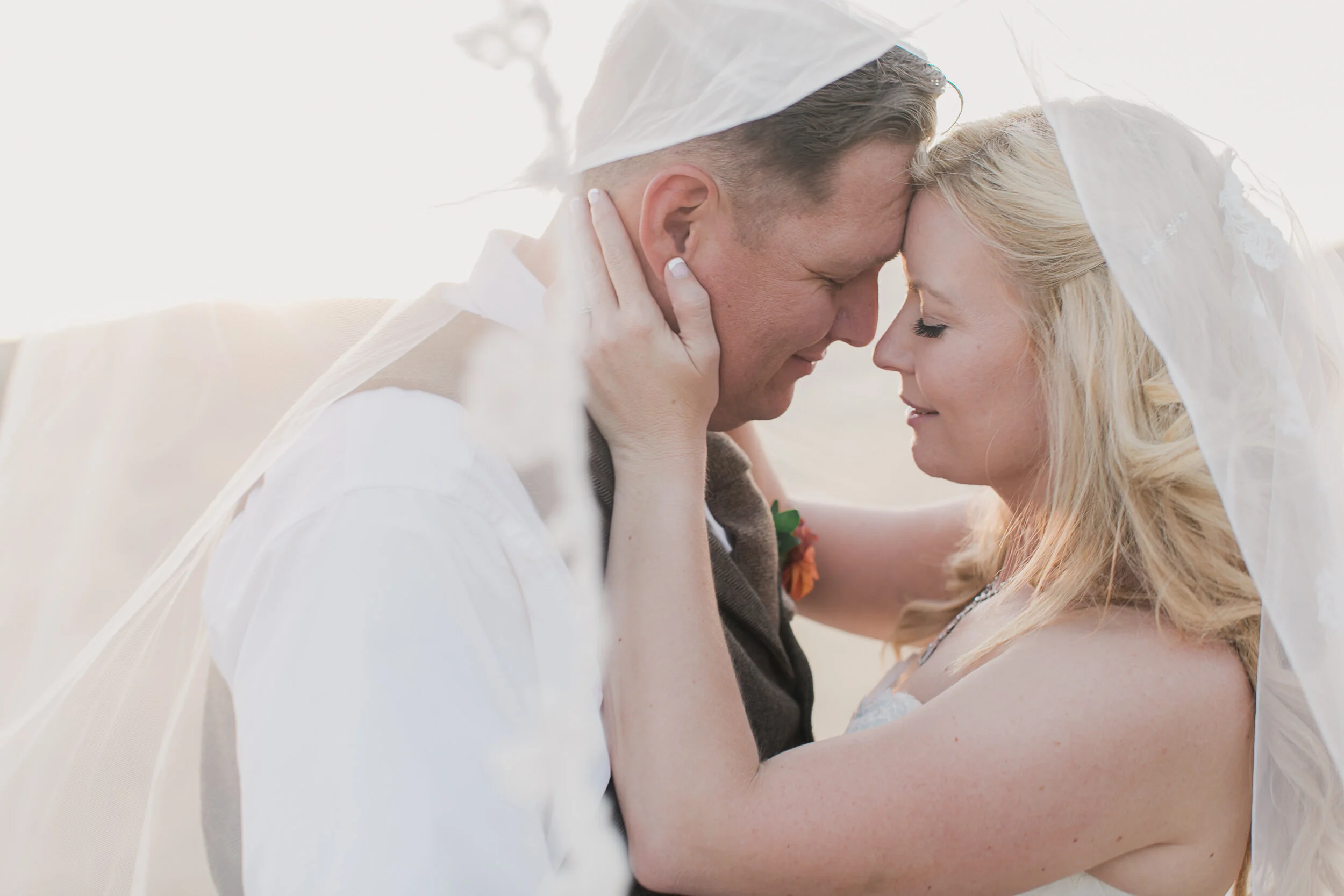
You would think there's no one else you'd spend more time with on your wedding day than your partner. Sadly, this isn't true.
The Shocking Statistics
2026 wedding day data shows:
Couples spend less than 40% of their wedding day actually together
Without a first look, that percentage drops to under 30%
The average couple has only 12-15 minutes of private time together all day
Most couples report feeling like they "barely saw" their spouse on their wedding day
Why This Happens
Timeline breakdown of a typical wedding day:
Morning (8am-2pm): Separated for getting ready (6 hours apart)
First time seeing each other: Ceremony at 4pm (8 hours into the day)
Ceremony: 30 minutes (surrounded by officiant and guests)
Cocktail hour: Often separated for family photos and greeting guests
Reception: Table visits, toasts, dances (always with others or performing)
Actual alone time: Maybe 20 minutes total
The result: More than half the day is over before you even see each other, and you spend the rest of it surrounded by others.
The 2026 Solution: Intentional Together Time
Option 1: Do a first look This allows you to see each other much earlier in the day and spend 60-90 minutes together during portraits. Read our complete guide on whether you should do a first look to understand all the benefits.
Option 2: Steal private moments If you decide to forego the first look, build in intentional alone time:
5-10 minutes immediately after the ceremony (before family photos)
Short walk together during cocktail hour while guests grab drinks
Private moment before grand entrance
10 minutes after first dance before open dancing begins
Pro tip: A few minutes together to reconnect makes all the difference. Schedule it on your timeline so it actually happens instead of getting lost in the chaos.
5. Missing Out on Photos With Friends and Family
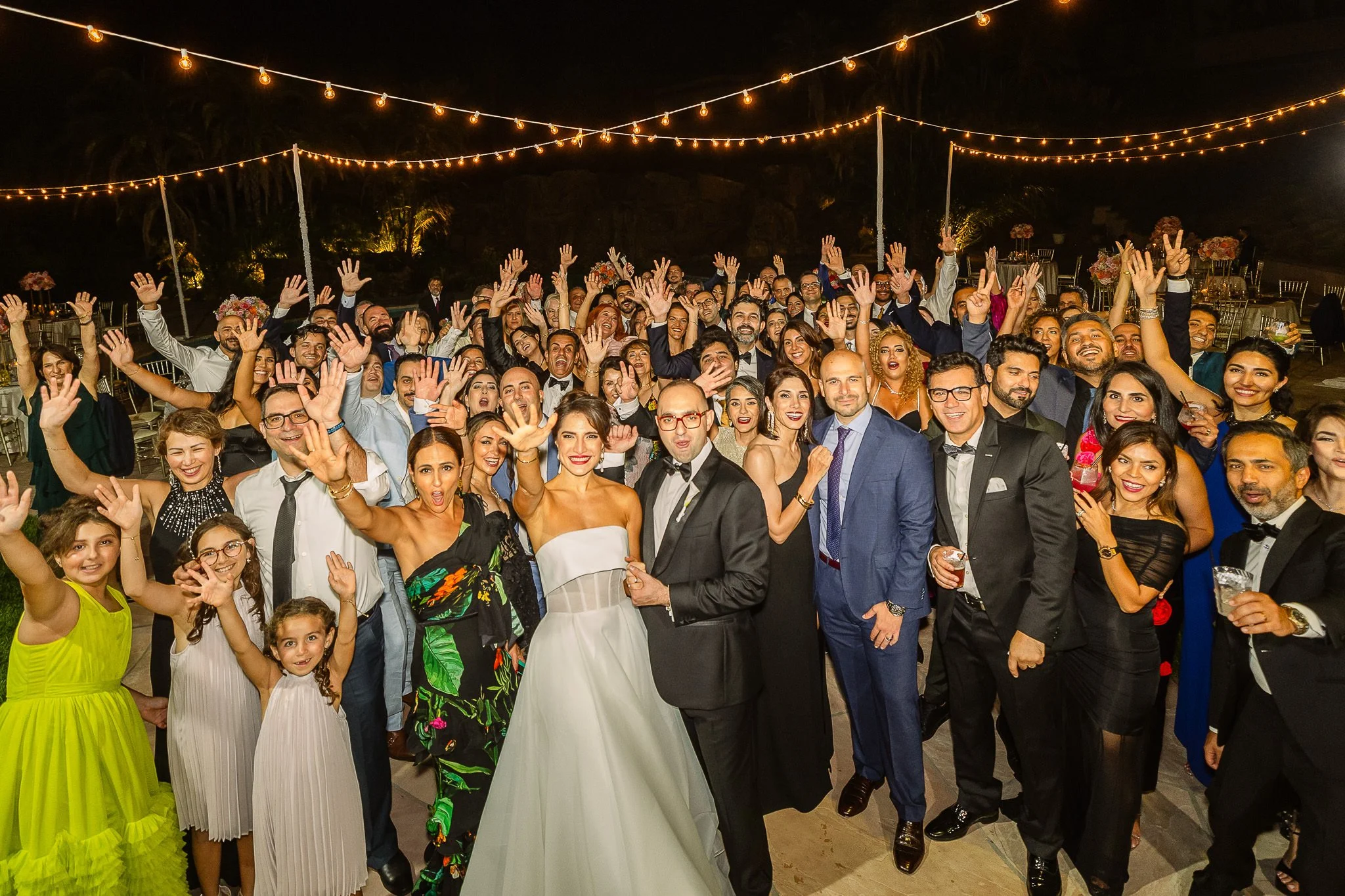


Your wedding might be the first and only time you have all your family and friends together in one place. This all needs to be captured, so get prepared in advance.
The 2026 Challenge: Dispersed Guests
New factor in 2026: With the rise of multiple celebration spaces at venues (outdoor lounges, fire pits, photo booth areas, cigar bars), guests spread out more than ever. This makes candid group photos harder to capture organically.
How to Ensure Comprehensive Coverage
Pre-wedding preparation:
Create a "must-have photos" list of friend groups and family combinations
Share this with your photographer at least 2 weeks before the wedding
Assign a family coordinator (usually an aunt or organized family member) to wrangle people for formal family photos
Communicate to VIP guests that you want casual group photos with them during cocktail hour or reception
Day-of strategy: Don't hesitate to ask your photography team to follow you around while mingling to capture any spontaneous group photos. This is especially valuable during:
Cocktail hour
Between dinner courses
During open dancing
Outdoor lounge areas
Pro tip: Having a second photographer dramatically increases your chances of capturing all important people. While the lead photographer handles scheduled portraits, the second shooter captures guests candids, friend group interactions, and family moments throughout the celebration.
The Group Photo Strategy
For large friend groups or extended family you want captured together:
Schedule it during cocktail hour (have coordinator round everyone up)
Announce at reception: "Anyone who went to college with us, meet at the bar in 5 minutes for a photo"
Build 10 minutes into your timeline specifically for "friend group photos"
6. Sound System Troubles That Ruin Key Moments
This one comes down to making sure your DJ or whoever is setting up the sound system has professional wedding experience. We've all been to weddings where the sound system has really bad feedback, cuts in and out, or just doesn't work at all.
The Nightmare Scenario
What we've witnessed:
100 guests sitting in silence because microphone doesn't work
Vows that nobody can hear
Feedback screeching during the first kiss
Toasts where only half the room can hear
First dance with no music (true story)
The emotional impact: There's nothing more awkward than having all your guests stare at you and sit in silence while they can't hear what your officiant says or your vows to each other.
The 2026 Solution: Professional Audio is Non-Negotiable
Questions to ask your DJ/sound provider:
"How many weddings have you done at our specific venue?"
Venue-specific experience matters (they know the acoustics, power sources, backup plans)
"What's your backup equipment plan?"
Professional vendors bring backup microphones, speakers, cables, batteries
"Will you do a sound check before guests arrive?"
This should happen 30-60 minutes before ceremony
Test microphones, music levels, speaker placement
"Can you give us a microphone tutorial during our meeting?"
Know how to hold it, turn it on/off, what to do if it fails
Especially important for readers or loved ones doing toasts
Day-Of Sound Check Checklist
What should be tested:
Officiant's microphone (speaking at normal volume)
Groom's microphone if wearing a lav mic for vows
Processional and recessional music
Speaker volume in all parts of ceremony space
Any readers or special participants with microphones
Timing: Complete this 30-45 minutes before guests arrive, then test again 10 minutes before ceremony starts.
For couples planning outdoor ceremonies, our Orange County wedding photography venue guide includes which venues have the best (and most challenging) acoustics.
7. Forgetting Your Vows (Or Going Blank During Them)

Save yourself from anxiety and terrifying feelings by writing down or typing up your personal vows on small note cards or vow books.
Why This Happens More Than You'd Think
The reality:
It's easy to get caught up in the emotion of the ceremony
Going blank when the pressure is on happens to everyone
Seeing your partner's face makes you emotional and forget everything you memorized
Even the most seasoned public speakers can be swept away by the moment
The 2026 Trend: Longer, More Personal Vows
What's changed: In 2026, couples are writing longer, more detailed personal vows (averaging 2-3 minutes each vs. 60-90 seconds in previous years). This makes memorization even harder and forgetting even more likely.
The Solution: Always Have Backup
What to prepare:
Write vows on note cards or in a vow book (even if you plan to memorize)
Print multiple copies (one for you, one for officiant, one for backup)
Hand them to your planner or officiant in advance with clear direction on when to pass them to you
Practice reading them out loud several times before the wedding
Pro tip: Beautiful vow books (available on Etsy) serve double purpose—backup during ceremony and keepsake after. They also make gorgeous detail shots during getting ready coverage.
It's Better to Have Them and Not Need Them
After all, it's best to have the cards and not need them than to not have them and need them. Even if you and your partner are the most cool, calm, and collected couple ever—don't skip this step.
What we've seen work best:
Vows written on beautiful cards that become keepsakes
Officiant holding cards discreetly, handing over if you go blank
Reading directly from vow books (not shameful—ensures you say what you meant to say)
8. Forgetting to Say "Thank You" (Or Missing Important People)

A kind gesture appreciated by all your guests is a short speech by you and your partner addressing everyone present at the wedding. Your guests all came for you, and they want to hear from you.
The 2026 Expectation: Personal Connection
What guests expect in 2026:
Direct acknowledgment from the couple (not just from parents or wedding party)
Recognition of those who traveled far
Thanks to vendors who made the day possible
Acknowledgment of family members who contributed
Why Couples Forget This
Common mistakes:
Assuming parents' or best man's speech covers everything
Getting caught up in celebration and forgetting to address guests
Not planning when during reception to give remarks
Forgetting someone important and feeling terrible later
The Solution: Prepare and Delegate
Pre-wedding preparation:
Make a list of everyone you want to thank:
Parents and family who helped plan/pay
Wedding party for their support
Guests who traveled far
Vendors who exceeded expectations
Anyone with special significance
Get someone else to check your list (you WILL forget someone)
Write brief remarks (2-3 minutes maximum)
Print multiple copies and bring them to the reception
Hand one copy to a responsible person in case your copy goes missing
When to give your speech:
After formal toasts but before dancing begins
Keep it to 2-3 minutes (guests are ready to celebrate)
Speak from the heart but have notes as backup
What to include:
Thank guests for being there
Acknowledge those who traveled
Thank parents and family
Thank wedding party
Thank vendors (if appropriate)
Express excitement about celebrating together
9. Foregoing the Videographer (The Biggest Regret)
Photos are a must for most couples, but they only take you so far—videos let you hear your voices as you say your vows and watch your friends tear up the dance floor.
The 2026 Reality: Video Isn't Optional Anymore
Industry data shows:
87% of couples who didn't book videography regret it (up from 72% in 2020)
Only 12% of couples who booked video wish they hadn't
Videography is now standard in 73% of weddings (vs. 54% in 2020)
What changed: The rise of social media wedding content, TikTok, and Instagram Reels has made couples realize how powerful video is for reliving their day.
What Photography Can't Capture
What you're missing without video:
Your actual vows spoken in your voices (not just written words)
Your first kiss in motion, not frozen
Toasts and speeches with laughter, tears, and emotion
Your first dance with movement and music
Parent reactions during key moments
The atmosphere and energy of your celebration
Candid laughter and conversations you weren't present for
The Investment Perspective
By hiring a professional videographer to document your wedding and craft your wedding film, you will find yourself immersed in the love story of your wedding day in a way that surpasses and transcends photography—in a way that only a wedding video can do for you.
What makes 2026 wedding films different:
Professional sound design that layers ceremony audio, toasts, and music
Multiple deliverables: teaser, highlight film, full ceremony coverage
Cinematic quality that rivals what you see on social media
Same-day edits for reception viewing (increasingly popular)
The Regret Factor
What couples tell us years later:
"I wish I could hear my grandmother's voice at our wedding" (she passed away 2 years later)
"I can't remember what my husband said in his vows—I was too emotional"
"My dad's toast made everyone cry, and I have no way to experience it again"
"We have 800 photos but I can't remember how the day actually felt"
The reality: You'll look at your photos dozens of times. You'll watch your wedding video hundreds of times and share it with your children and grandchildren.
Read our complete guide on why first look video is essential to understand how much emotion happens in moments that photos alone can't preserve.
10. Booking Guest Hotel Room Blocks Too Late
This is an easy wedding planning mistake to make for newly engaged couples. To-be-weds often leave the task of securing hotel room blocks for out-of-town guests until the last minute.
The 2026 Challenge: Post-Pandemic Travel Surge
What's different in 2026:
Hotels book up faster than pre-pandemic
Popular wedding weekends (Memorial Day, Labor Day, October) book 8-12 months out
Room rates increase as availability decreases
Many hotels have reduced their room inventory
The risk: If you're marrying during a busy time and you don't look into hotel availability in advance, you can end up with no rooms for your guests—or rooms that are prohibitively expensive.
The Solution: Book Earlier Than You Think
Recommended timeline:
12 months before wedding:
Begin researching hotel options near your venue
Check availability for your wedding weekend
Compare rates at 3-4 hotels
8-10 months before wedding:
Finalize and book your room block
Negotiate rates and block size
Confirm cancellation policies and deadlines
6 months before wedding:
Include hotel information in save-the-dates
Add details to wedding website
Send information to out-of-town guests
3 months before wedding:
Follow up on room block usage
Release unused rooms if required by contract
Send reminder to guests who haven't booked
What to Negotiate
Important details to confirm:
Block size: How many rooms and what mix of king/double beds
Room rate: Discounted rate for your guests
Cutoff date: When unused rooms are released back to hotel
Attrition clause: Whether you're responsible for unfilled rooms
Complimentary room: Many hotels offer 1 free night per 10 rooms booked
Communication strategy:
Include hotel information in save-the-dates
Add booking links to wedding website
Include in formal invitations
Send direct emails to out-of-town guests
FYI: You're just setting rooms aside—your guests will put down their own credit cards when they call to book. You're not financially responsible unless there's an attrition clause.
Bonus Mistake #11: Not Building in Buffer Time
This isn't in our original list, but after 300+ weddings, we've identified this as a critical 2026 addition.
The Problem
What happens without buffer time:
Hair and makeup runs 15 minutes late → ceremony delayed 30 minutes
Traffic to venue takes longer than expected → late arrival, rushed photos
Family photos take longer than planned → cocktail hour missed
One delay creates a domino effect through the entire day
The 2026 Reality: Expect Delays
Industry data:
68% of weddings run behind schedule at some point
The average delay by end of day is 37 minutes
Most delays happen during getting ready and family photos
The Solution: Strategic Buffer
Where to build buffer time:
Getting ready:
Add 30 minutes beyond when hair/makeup says they'll finish
Allow 15 minutes between "finished" and photography coverage starts
Transportation:
Add 15-20 minutes to Google Maps estimate
Account for photo stops en route if planned
Family photos:
Plan 30 minutes but expect 45 minutes
Have coordinator wrangle family 10 minutes before scheduled start
General timeline:
Don't schedule back-to-back with zero transition time
Build 10-15 minute cushions between major timeline segments
Pro tip: Your photographer can help you build realistic timeline with appropriate buffer. Our guide on collaborating with your wedding photographer includes timeline planning advice.
How to Avoid ALL These Mistakes: The Master Checklist
Use this checklist to ensure you don't fall victim to common wedding day mistakes:
2 Months Before Wedding
Finalized timeline with hair/makeup team including buffer time
Hired day-of coordinator or delegated to responsible non-wedding-party person
Confirmed DJ will do sound check 45 minutes before ceremony
Booked videographer (if you haven't already)
Confirmed hotel room block is adequate and communicated to guests
Created detailed "must-have photos" list for photographer
1 Month Before Wedding
Wrote personal vows and purchased vow books/cards for backup
Drafted thank-you speech and had someone review the list
Planned intentional alone time with partner into timeline
Confirmed vendor meal count with caterer
Shared photographer's must-have list and family coordinator info
Week of Wedding
Printed multiple copies of vows
Printed multiple copies of thank-you speech
Confirmed day-of coordinator has all vendor contacts and timeline
Planned what substantial food you'll eat morning-of
Assigned bridal party member to make sure you eat
Confirmed transportation timing with buffer built in
Day of Wedding
Eat a protein-heavy breakfast
Snacks available during getting ready
Water bottle always accessible
Hand vows to officiant/planner before ceremony
Sound check completed 45 minutes before ceremony
Actually take those scheduled private moments with partner
Give thank-you speech during reception
Communicate to photographer about spontaneous group photos
The Bottom Line: Preparation Prevents Problems
All of these mistakes are completely avoidable with proper planning and preparation. The couples who have the smoothest, most enjoyable wedding days are the ones who:
Build realistic timelines with buffer time
Delegate responsibility to coordinators or trusted helpers
Invest in the right vendors (especially videography and coordination)
Communicate clearly with their vendor team
Prioritize time together as a couple
Prepare backup plans for important moments (vows, speeches)
Take care of themselves (eat, hydrate, breathe)
More Resources to Plan Your Perfect Day
Wedding Planning Guides:
Wedding Photography Guides:
Wedding Videography Guides:
Ready to Plan a Flawless Wedding Day?
At One Story Weddings, we've seen these mistakes hundreds of times—and we've developed systems to help our couples avoid every single one. Our experience with 300+ Orange County weddings means we know how to build realistic timelines, capture everything that matters, and ensure your day flows smoothly.
Let's talk about your wedding:
Schedule a Consultation | View Our Portfolio | See Recent Weddings
Serving Orange County, Los Angeles, San Diego, and Southern California with wedding photography and videography that ensures nothing important is missed—from the moments you plan to the moments you can't predict.