Super 8 Wedding Films vs. Digital: The 2026 Debate on Vintage Video Trends
The Great 2026 Wedding Video Debate: Nostalgic "Vibes" vs. Timeless Cinema
As we move deeper into 2026, wedding videography is undergoing a massive identity shift. We're moving away from the era of the "perfectly polished" cinematic trailer and entering something much more raw, organic, and emotionally driven.
The trend for 2026 is unmistakable: Humanity over perfection. Couples are rejecting the hyper-produced aesthetic that dominated the 2010s and early 2020s in favor of something that feels real, tangible, and deeply personal.
However, as the industry leans into soft grain, handheld movements, and vintage film aesthetics, a heated debate has emerged among professionals and couples alike: Is "forced nostalgia" a fleeting trend or a lasting legacy?
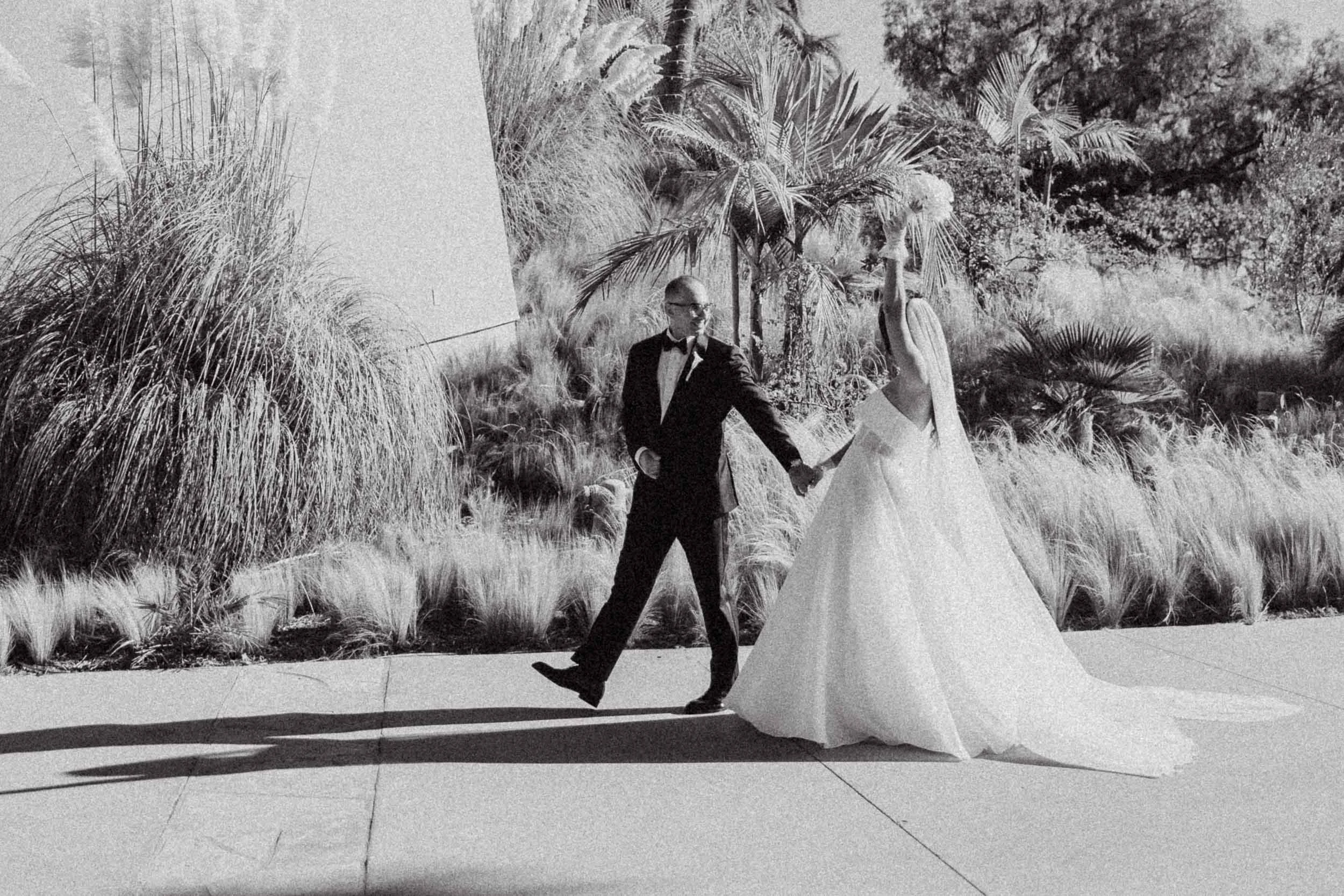
The Rise of the "Home Movie" Aesthetic
For many 2026 couples, the goal isn't to look like a Hollywood production; it's to look like a memory. This aesthetic—often called "Lo-fi Luxe" or "Poetcore"—is defined by:
Visual Characteristics:
Soft Grain & Light Leaks: Mimicking the organic, tactile feel of 35mm and Super 8 film
Handheld Movement: Ditching heavy stabilizers for an intimate, "from-the-hip" perspective
Vintage Textures: Using film stocks that feel pulled from a 1970s family camcorder
Imperfect Focus: Embracing slight softness that feels human rather than clinical
Warm Color Grading: Emphasizing golden, nostalgic tones over stark clarity
Philosophical Shift: As one industry insider noted, these films capture the feeling of the day rather than just a chronological timeline. It's intimate, emotional, and deeply personal—prioritizing atmosphere over technical perfection.
This trend mirrors what we're seeing across wedding culture in 2026: couples choosing meaningful intimacy over performative spectacle, private vow exchanges over public declarations, and authentic moments over Instagram-perfect poses.
What Couples Are Actually Saying: The Real-World Data
Here's what's emerging from actual 2026 client feedback about Super 8 and lo-fi wedding films:
The Enthusiasts
"Digital is great for 'seeing' but film is made for 'feeling'" has become a rallying cry among couples who choose vintage film formats. These couples consistently report:
Emotional response is stronger when watching grainy, imperfect footage
The aesthetic matches their values around sustainability and analog living
They love that Super 8 forces intentionality—each roll is only 3.5 minutes, so every moment filmed is deliberate
Guests react with genuine delight when they see the vintage camera, making it part of the experience
The Cautious Feedback
However, there's emerging data from couples 2-3 years post-wedding that reveals a nuanced picture:
The "I wish we had clarity too" phenomenon: Some couples who chose Super 8-only coverage report wishing they had clearer footage of specific moments—particularly grandparents' faces during toasts, or being able to identify friends in group shots years later.
The grandparent perspective: Interestingly, many actual grandparents who had Super 8 cameras in the 1970s have expressed to their grandchildren: "We always wished our old videos were clearer so we could see faces better and hear voices properly." This creates an ironic disconnect—younger couples romanticize what their grandparents actually found limiting.
Turnaround time frustration: Super 8 requires lab processing that can take 12-16 weeks. Some couples report that by the time they received their film, the immediacy of the wedding had faded, making the delayed gratification less impactful than expected.
The Pushback: "Don't Force the Nostalgia"
Despite the popularity of the "blurry" aesthetic, seasoned industry veterans are issuing warnings. The risk of leaning too hard into a trend is that, in 20 years, your children might ask: "Who is in this wedding? I can't make out the faces."
Critics of the lo-fi movement argue:
1. Trends Are Cyclical
What feels "indie" and authentic today can feel frustratingly low-quality tomorrow. Remember when everyone wanted the heavily blue-toned, contrast-heavy "Instagram filter" look in 2015? Those films now feel dated rather than timeless.
The concern: In 2046, will Super 8 grain feel as dated as the overly-produced "Hollywood" trailers feel in 2026?
2. The "Blurry Photo" Fatigue is Already Happening
The intentionally out-of-focus photography trend peaked quickly on Instagram and TikTok, with many couples now expressing regret that they don't have sharp images of key moments. Video is following the same trajectory, just 1-2 years behind.
Some photographers who offered "artistic blur" packages in 2024-25 are now fielding requests from couples asking: "Do you have any sharp versions of our photos?"
3. Clarity is Actually a Gift to Your Future Self
Many grandparents who actually had Super 8 videos in the '70s wished for:
Clearer footage to see facial expressions
Better sound quality to remember voices of loved ones who've passed
The ability to identify people in group shots years later
Less grain so they could actually see details like jewelry, dress embroidery, floral arrangements
The irony: We're romanticizing what our grandparents considered a limitation of the technology, not a feature.
4. Technical Failures Are More Catastrophic
Super 8 film is an analog format with real risks:
Film can be damaged in processing (rare but possible)
Incorrect exposure can ruin entire reels
Lab errors can destroy footage permanently
There's no "backup" like digital formats provide
One videographer candidly notes: "It's not an exact science - it can go wrong." When it's your only wedding coverage, that's a significant risk.
The Hybrid Approach: Best of Both Worlds
If you're a 2026 couple or a filmmaker looking to stay ahead, the winning strategy isn't "either/or"—it's strategic versatility.
The most satisfied clients in 2026 are opting for a Hybrid Package that combines:
What This Looks Like in Practice
Core Digital Coverage (4K or 6K):
Full ceremony with crystal-clear audio of vows
Complete toasts and speeches with professional sound
Key family moments with clear facial expressions
Reception highlights with sharp detail
Backup recordings of everything critical
Super 8 as Creative Layer:
Golden hour couple portraits for that dreamy, romantic feel
Getting ready moments with vintage charm
Dance floor energy where grain adds to the atmosphere
Candid guest interactions that benefit from the "home movie" aesthetic
Transitional moments between events
Why the Hybrid Approach Wins
Risk Mitigation: If something goes wrong with film processing, you have digital backup of critical moments
Clarity When It Matters: Grandma's face during your first dance is crystal clear in 4K, but the overall film has vintage texture layered in
Audio Preservation: Professional sound design captures your actual vows and toasts with clarity, while Super 8 provides the visual aesthetic
Emotional Range: Digital delivers emotional impact through clear expressions and professional audio; Super 8 adds nostalgic atmosphere
Future-Proof: You're not betting your entire wedding memory on a trend—you have timeless clarity plus artistic flair
Best of Both Philosophies: Modern technical quality AND vintage emotional resonance
Think of Super 8 as the "spice," not the main course. It enhances and elevates, but it doesn't replace the foundational need for clear, well-recorded documentation.
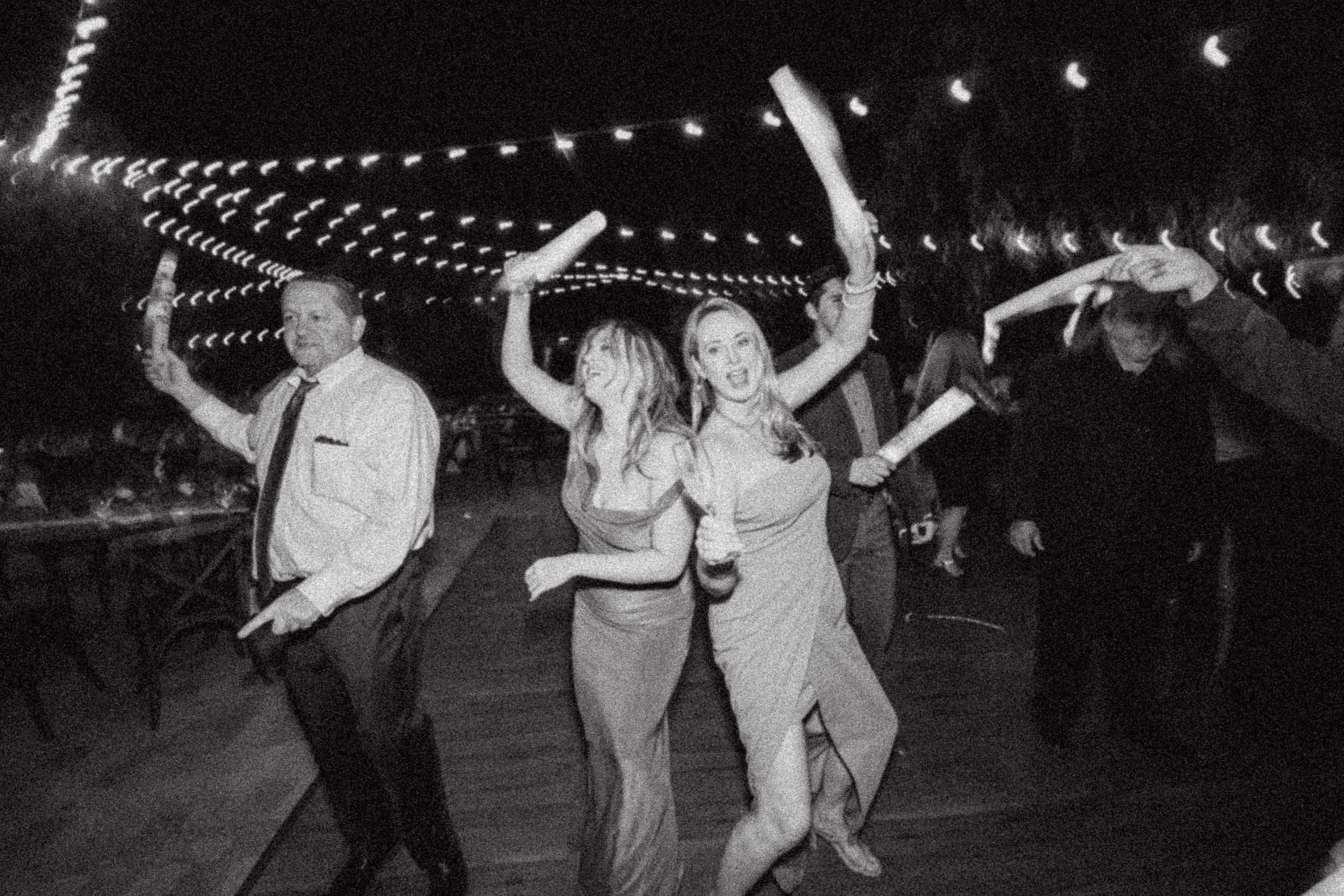
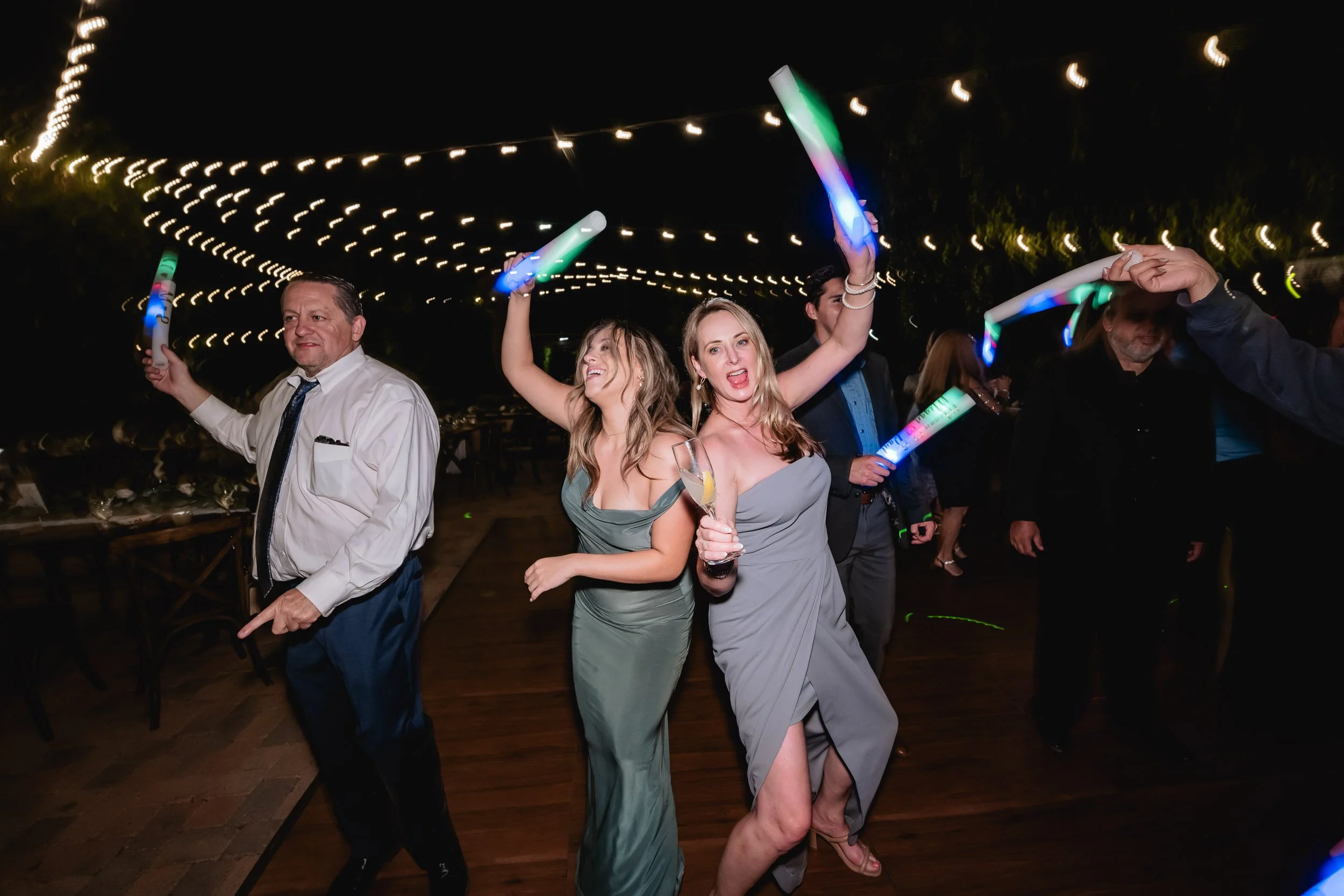
The Digital Alternative: Super 8 Aesthetic Without the Risk
Here's what many couples don't realize: you can achieve the Super 8 look without using actual Super 8 film.
Modern digital cinema cameras capture pristine 4K or 6K footage that can be color graded and textured in post-production to authentically replicate the vintage Super 8 aesthetic—grain, light leaks, warm tones, soft focus, and all.
How Digital Super 8 Emulation Works
Professional colorists and editors use specialized plugins and techniques to add:
Film grain patterns matching authentic Kodak Super 8 stock
Vintage color science with warm, nostalgic tones
Light leaks and flares that mimic analog imperfections
Frame rate adjustments for that classic film movement feel
Soft focus effects where appropriate for the aesthetic
The result? Footage that looks like it was shot on vintage film, but was actually captured on modern digital cameras with all the reliability, backup capability, and audio quality that provides.
Why This Approach Is Gaining Traction in 2026
You get the best of both worlds:
The aesthetic you want - Vintage, nostalgic, grainy texture that feels authentic
The security you need - Digital backup, no risk of film damage or processing errors
Audio preservation - Crystal clear sound of vows, toasts, and reactions
Immediate delivery - No 12-16 week lab processing wait
Flexibility - Can adjust grain intensity, choose which moments get the treatment
Future-proof - You have the clean digital files if tastes change
Cost-effective - No expensive film stock or lab processing fees
Purist perspective: Some argue that digital emulation lacks the "organic soul" of real film—that there's something intangible about actual chemical processes on physical film stock that can't be perfectly replicated. They're not wrong. Real Super 8 has a certain quality that's difficult to duplicate exactly.
Pragmatist perspective: For most couples, the visual difference between high-quality digital Super 8 emulation and real Super 8 is indistinguishable—especially after the film is scanned to digital anyway (which is how you'll watch it). The practical benefits far outweigh the philosophical purity argument.
How One Story Weddings Delivers the Hybrid Super 8 Look
At One Story Weddings, we offer a strategic hybrid approach that gives you vintage aesthetic without vintage limitations:
Our process:
Capture everything on professional digital cinema cameras (Sony FX6, Canon C70) with full audio recording
Shoot with the Super 8 aesthetic in mind - handheld movement, intimate framing, organic moments
Apply authentic Super 8 color grading and texture to select moments in post-production
Deliver both versions - clean digital files AND Super 8-styled footage
What this means for you:
You get a wedding film that has all the nostalgic, vintage, emotional texture of Super 8 where it enhances your story—golden hour portraits, getting ready moments, dance floor energy—while maintaining crystal-clear footage of your ceremony, vows, and toasts.
Specific moments we typically apply Super 8 treatment:
Getting ready sequences (bridesmaids laughing, groomsmen joking)
First look anticipation and reaction
Couple portraits during golden hour
Candid guest interactions and cocktail hour
Dance floor celebrations and party energy
Transitional moments between events
Moments we keep pristine digital:
Complete ceremony with clear audio of vows
Toasts and speeches with facial expressions visible
Parent dances and emotional family moments
Any moment where clarity matters more than aesthetic
The Flexibility Advantage
Here's the game-changer with digital Super 8 emulation: We can adjust the intensity based on your feedback.
After your wedding, we can show you different grain levels and let you choose:
Heavy grain for maximum vintage feel
Moderate grain that balances nostalgia with clarity
Light grain that adds texture without obscuring detail
No grain on certain clips where you prefer sharp clarity
You're not locked into a single aesthetic. Your film can have varying levels of vintage treatment depending on what each moment calls for.
Cost Comparison: Real Super 8 vs. Digital Emulation
Real Super 8 Add-On: $800-$1,500+
Film stock costs ($50-80 per cartridge × 5-8 cartridges)
Lab processing and scanning fees
Specialized vintage camera rental/ownership
Risk premium for potential failures
12-16 week turnaround time
Digital Super 8 Emulation: Included in our standard packages
No additional film or processing costs
Part of our post-production workflow
Zero risk of footage loss
Standard 6-8 week delivery timeline
Unlimited revisions to grain intensity
When Real Super 8 Might Still Be Worth It
We're not saying digital emulation is always the answer. Real Super 8 film still has unique value for:
Purists who want authenticity: If the chemical process and physical film matter to you philosophically, digital won't satisfy that desire
Intentional artistic choice: If you're specifically drawn to the unpredictability and organic accidents that real film creates
Tangible keepsake: Some couples love having the actual physical film reels as artifacts
Small, intimate weddings: For elopements or micro-weddings where coverage needs are limited and risk is minimal
But for most couples planning full-scale celebrations who want vintage aesthetic and comprehensive documentation, digital Super 8 emulation offers the practical sweet spot.
The Bottom Line on Digital vs. Analog Super 8
The question isn't "which is better"—it's "which gives you what you actually need?"
If you want:
Nostalgic aesthetic ✓
Security and backup ✓
Clear audio ✓
Reasonable timeline ✓
Flexibility ✓
Digital capture with Super 8 styling delivers all of this.
If you want:
Authentic chemical film process
Physical artifact
Organic unpredictability
Purist vintage experience
Real Super 8 is your choice—just understand the tradeoffs.
At One Story Weddings, we believe the best wedding films balance artistic vision with practical wisdom. We can create the vintage, nostalgic aesthetic you're drawn to while ensuring you have the clarity, audio, and reliability that future-you will thank present-you for choosing.
The Hidden Costs of Going All-In on Vintage
Before committing to Super 8-only coverage, consider what you're potentially sacrificing:
No Audio: Super 8 cameras don't record sound. If you want to hear your partner's vows, your best friend's toast, or your grandmother's blessing, you need separate audio recording—which typically requires digital equipment anyway.
Limited Coverage: Each Super 8 cartridge holds approximately 3.5 minutes of footage. A typical wedding day would require 15-20 cartridges just for basic coverage. Most Super 8 wedding packages shoot 5-8 cartridges strategically, meaning you're getting 15-25 minutes of footage total across an 8-hour day.
No Immediate Sharing: Digital files can be shared with family the next week. Super 8 requires lab processing (4+ months typically), meaning your parents, grandparents, and friends who want to see your film will be waiting significantly longer.
Viewing Experience Limitations: Super 8's grain and softness looks romantic on Instagram or projected on a wall. On a 65" 4K TV or modern screen, the limitations become more apparent—particularly to older family members who may struggle to see details.
How to Choose Your Style for 2026
Decide with Clarity, Not Just Trends
Ask yourself honest questions:
Will I still value the "vibe" when the grain isn't trendy anymore?
Do I want to be able to clearly see my grandmother's face during toasts in 20 years?
How important is it to hear the actual audio from my wedding day?
Am I choosing this because it feels authentically me, or because it's what I'm seeing on Instagram?
The "20-Year Test"
Imagine yourself in 2046. Your children ask to watch your wedding video. What do you want them to experience?
Do you want them to clearly see your face and your partner's expressions?
Do you want them to hear your actual voices saying vows?
Do you want atmospheric grain more than facial clarity?
Do you value the aesthetic over the documentary record?
There's no wrong answer—but the answer should be yours, not the trend's.
The Add-On Strategy
For most couples, the ideal approach is: Look for videographers who offer lo-fi footage as an additional creative layer to a polished, 4K master film.
This typically looks like:
Primary package: Professional digital cinematography with clear footage and audio ($3,500-7,000)
Super 8 add-on: Vintage film coverage of select moments ($800-1,500 additional)
Final delivery: Both a cinematic digital film AND a separate Super 8 reel, or hybrid edit combining both
Focus on Story, Not Just Filters
A film led by a great story will always be timeless, whether it's shot on a vintage Bolex or a modern cinema camera.
The best wedding films of 2026—and the ones that will still feel powerful in 2046—are built on:
Authentic moments over posed perfection
Real audio and genuine reactions
Thoughtful music selection that matches your energy
Story structure that creates emotional arc
Sound design that transports you back to the feeling
The aesthetic—whether super clear or intentionally grainy—is secondary to these fundamentals.
What Wedding Videographers Wish Couples Knew
We asked experienced videographers what they're hearing from couples 2-3 years after choosing different approaches:
From couples who chose digital-only: Some wish they had added vintage texture for certain moments—getting ready, couple portraits—but almost none regret having clear ceremony and speech footage.
From couples who chose Super 8-only: A surprising number express regret about not having clearer audio, better detail in group shots, and immediate access to share with family. The aesthetic still brings joy, but many say "I wish we had done hybrid."
From couples who chose hybrid: Consistently the highest satisfaction. They love the Super 8 aesthetic for what it is—a beautiful creative layer—without sacrificing clarity where it mattered.
The Bottom Line: Trends vs. Timeless
Trends come and go, but the faces of your favorite people are what you'll want to see decades from now.
The Super 8 aesthetic isn't inherently good or bad—it's a tool. Used strategically as part of a comprehensive approach, it adds beautiful nostalgic texture. Used as your only coverage, it introduces risk and limitations that may feel romantic now but frustrating later.
Tread thoughtfully with the grain. Don't be afraid to let your film feel a little more human, a little less polished. But also don't sacrifice the fundamental ability to clearly see and hear the people you love on the day you committed to each other forever.
Your wedding film should be timeless not because it mimics a specific era's aesthetic, but because it authentically captures your story in a way that will move you in 2026, 2036, and 2046.
Frequently Asked Questions
What exactly is Super 8 film and why is it trending in 2026?
Super 8 is a motion picture film format from the 1960s-70s that creates vintage-looking footage with soft grain, warm tones, and organic imperfections. It's trending because 2026 couples are rejecting overly-polished aesthetics in favor of authentic, nostalgic, "home movie" feelings. The format forces intentionality (each cartridge is only 3.5 minutes) and creates an emotional, tactile quality that digital often lacks.
How much does Super 8 wedding videography typically cost?
Super 8 as an add-on to digital coverage typically costs $800-$1,500 extra. Super 8-only packages range from $2,500-$4,500 depending on coverage hours and number of film cartridges used. The cost reflects the vintage cameras required, expensive film stock (Kodak cartridges), specialized lab processing, and the risk/expertise involved in analog filmmaking.
How long does it take to get Super 8 wedding footage back?
Expect 12-16 weeks minimum. The film must be shipped to specialized labs (often internationally), chemically developed, scanned to digital format, and returned to your videographer for editing. This is significantly longer than digital footage which can be edited within weeks. Some couples report this delayed gratification reduces the emotional impact.
Can Super 8 film capture sound/audio from my wedding?
No. Super 8 cameras do not record audio. If hearing your vows, toasts, or any spoken moments matters to you, you need separate professional audio recording—which typically requires digital video equipment anyway. This is one of the main reasons hybrid packages (Super 8 + digital) are recommended over Super 8-only coverage.
What happens if something goes wrong with Super 8 film processing?
Unlike digital files which can be backed up, Super 8 film is a single physical object. If the film is damaged in processing, exposed incorrectly during shooting, or damaged in shipping, that footage may be partially or completely lost. Reputable labs are careful, but the risk exists. This is why having digital backup coverage of key moments is recommended.
Will Super 8 footage look good on modern TVs and screens?
Super 8's grain and softness looks romantic on smaller screens, projections, or social media. On large modern 4K/8K TVs, the grain becomes more apparent and some viewers (particularly older family members) may find it harder to see details like facial expressions. It's a stylistic choice—beautiful to some, frustrating to others.
Is the Super 8 aesthetic just a trend that will look dated later?
This is the central debate. Some argue authentic film will always feel timeless because it's real analog texture, not a digital filter. Others point to previous trend cycles (heavy blue filters, blown-out exposure, etc.) that felt modern at the time but now feel dated. The safest bet: hybrid coverage ensures you have clear footage even if the grain aesthetic eventually feels trendy.
Should I choose Super 8 if my grandparents had Super 8 cameras?
Interestingly, many actual grandparents who used Super 8 in the 1970s tell their grandchildren they always wished for clearer footage to see faces and hear voices better. There's irony in romanticizing what they considered a technological limitation. Ask your grandparents directly—they may surprise you with their answer.
Can Super 8 footage be combined with digital footage?
Yes! This is the hybrid approach. Your videographer can seamlessly edit Super 8 footage together with digital 4K footage, creating a film that has vintage texture in some moments and crystal clarity in others. Many couples find this "best of both worlds" approach delivers the aesthetic they want without sacrificing documentation of key moments.
What if I want the Super 8 look but not the risk?
Some videographers offer digital footage with Super 8-style color grading and grain added in post-production. This gives you the aesthetic without the analog risk, processing delays, or audio limitations. However, purists argue it lacks the organic, authentic quality of real film. It's a personal preference—both are valid choices.
How do I know if Super 8 is right for my wedding?
Ask yourself: (1) Do I value aesthetic over clarity? (2) Can I wait 3-4 months to see my footage? (3) Is hearing clear audio of vows/toasts important? (4) Do I want my film to clearly show faces in 20 years? (5) Am I comfortable with some technical risk? If you answered "yes, yes, no, no, yes"—Super 8 might work. If you had different answers, consider hybrid or digital-only coverage.
Want to explore how different videography approaches work for your wedding? Check out our complete wedding videography guides or learn more about choosing the right wedding film style for your celebration.
Schedule a 20 minute Discovery Call to see if we are the right fit
Learn More About Our Wedding Videography Process
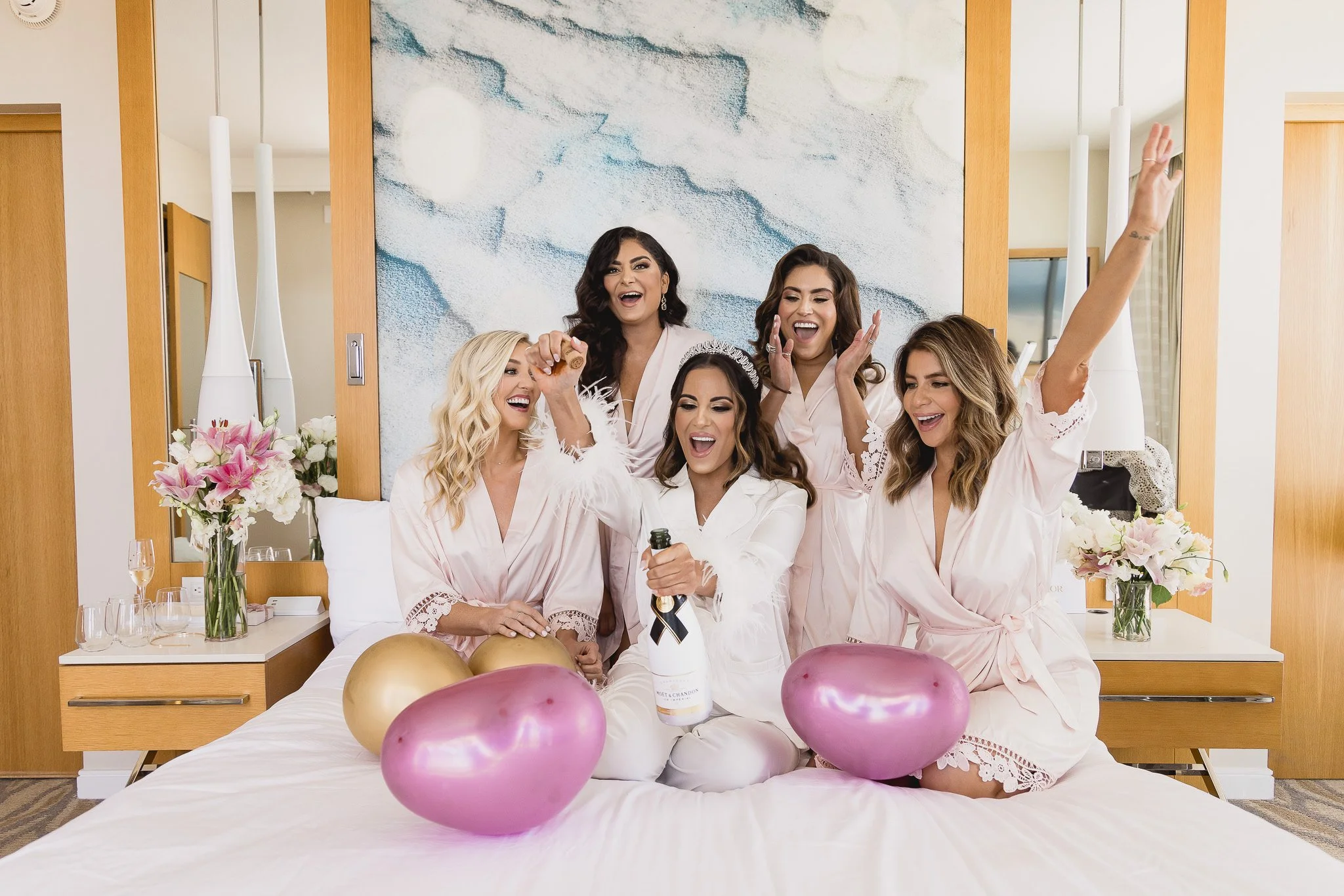
See Recent Weddings