Documentary Wedding Photography: How It Fits Into Your Complete Gallery
Documentary Wedding Photography: How It Fits Into Your Complete Gallery
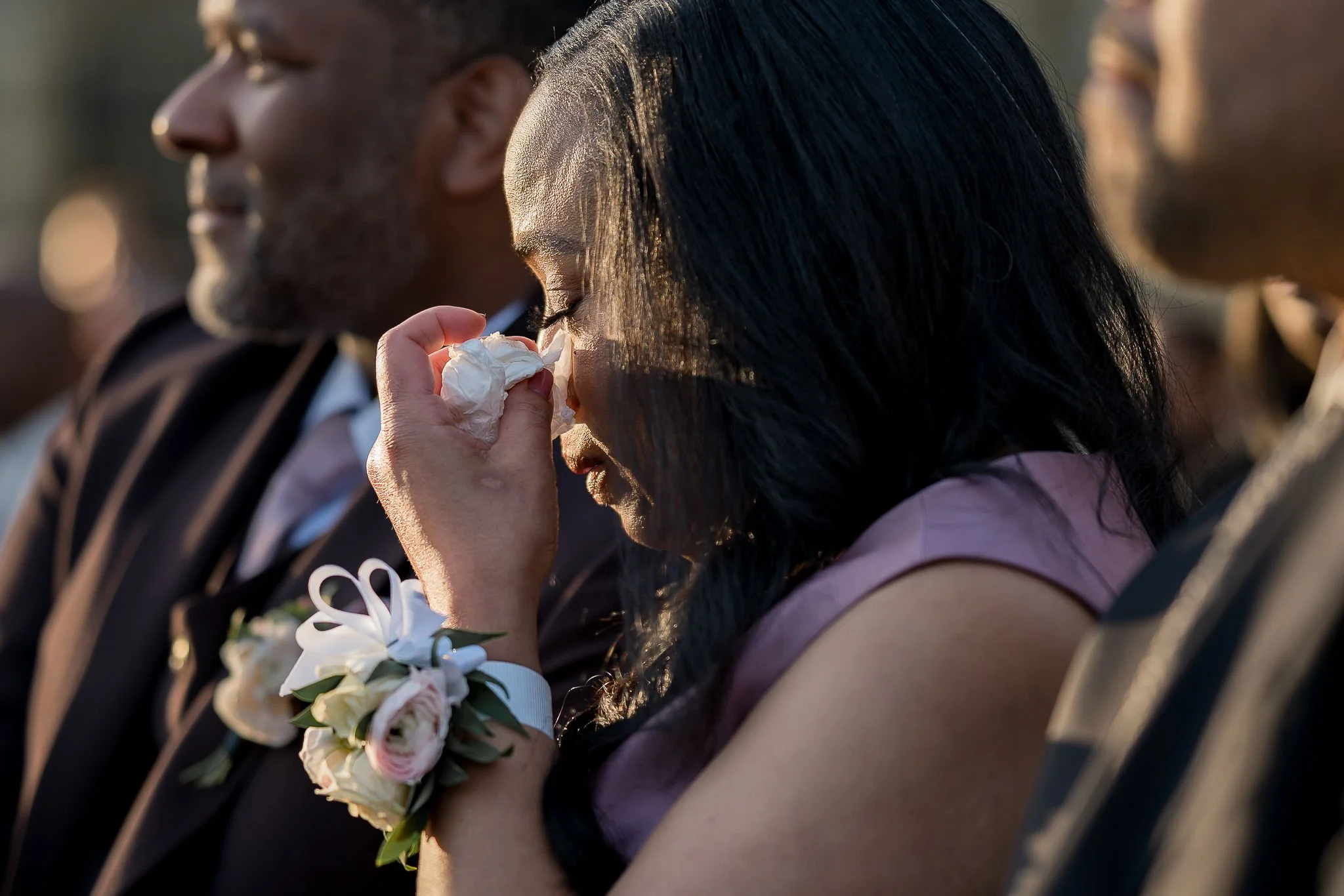
When you look at wedding photos that move you to tears, they're usually not the perfectly posed portraits. They're the unguarded moments: your father seeing you in your wedding dress for the first time, your partner's face when you appear at the end of the aisle, your grandmother dabbing her eyes during the ceremony, your best friend's toast that makes everyone laugh and cry simultaneously.
These moments can't be recreated. They can't be posed. They happen once, in real-time, and if your photographer isn't there to witness them—or worse, if they interrupt them—they're lost forever.
At One Story, documentary wedding photography is one of our wedding photography pilars. While we also create editorial-style portraits when the moment calls for it, the majority of your wedding day is captured purely observationally. We witness, we anticipate, we document—but we never interrupt.
Here's what documentary coverage actually means for your Orange County wedding.
What Documentary Wedding Photography Actually Is
Documentary wedding photography, sometimes called photojournalistic photography, operates on a fundamental principle: capture wedding moments as they unfold, without interference.
What this means in practice:
We don't stop your ceremony to adjust your positioning. We don't ask you to recreate the moment you saw each other for the first time. We don't interrupt your father-daughter dance to fix your veil. We don't direct your grandmother's reaction during your vows.
We observe. We anticipate. We capture. But we never become part of the story ourselves.
The documentary photographer's job: Be in the right place at the right time with the technical skill to capture the moment beautifully, regardless of lighting challenges or environmental constraints.
Why Documentary Moments Matter Most
Your wedding day is filled with genuine emotion and authentic connection. These real moments—unposed, unscripted, unrehearsed—are what you'll treasure most when you look at your photos decades from now.
Documentary photography preserves:
The way your partner's composure broke the moment they saw you walking toward them.
Your mother's hand reaching for your father's during your first dance as they remembered their own wedding.
The split second before your flower girl decided the aisle was too overwhelming and ran to grandma instead.
Your college roommate's face during the toast when she told the story about how you met your partner.
The quiet moment your grandfather had alone with you before the ceremony, saying something only you heard.
These aren't "photogenic" moments planned for the camera. They're real life happening in real time. Documentary photography ensures they're preserved exactly as they occurred.

When We Shoot Documentarily
At One Story, approximately 50-60% of your wedding gallery consists of pure documentary moments. Here's specifically when we shift into observation mode and stay there:
Your Ceremony: Sacred and Untouched
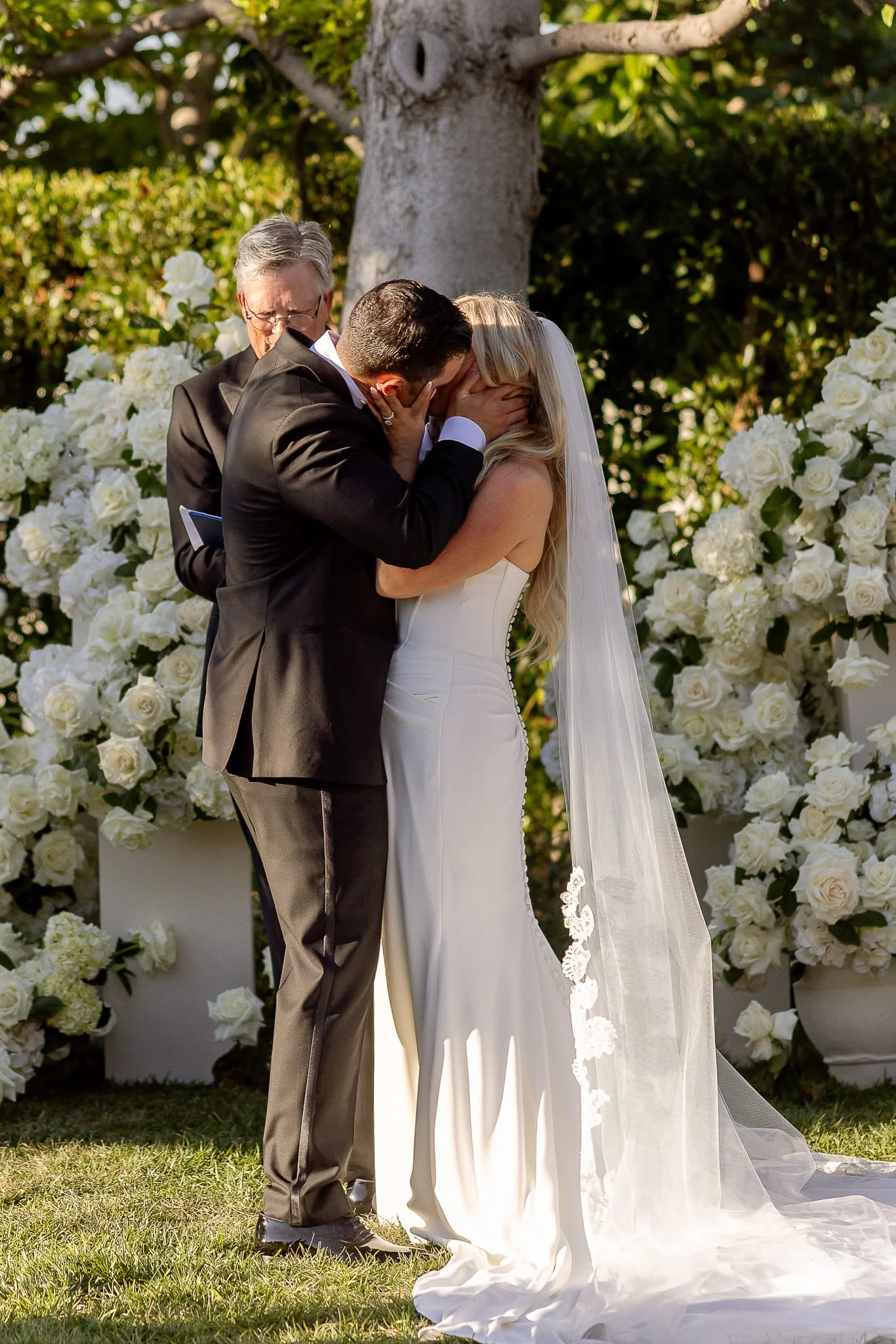
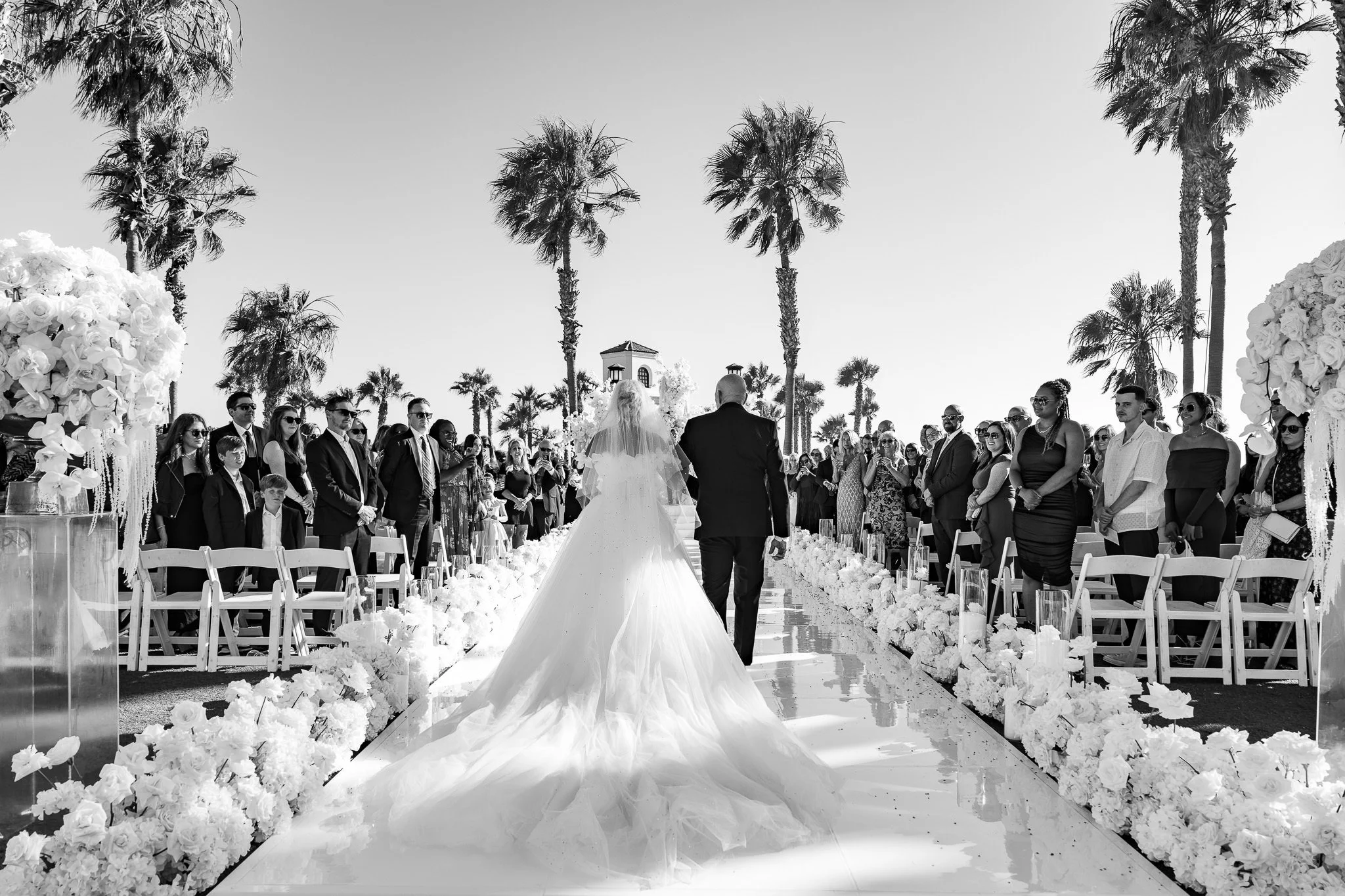
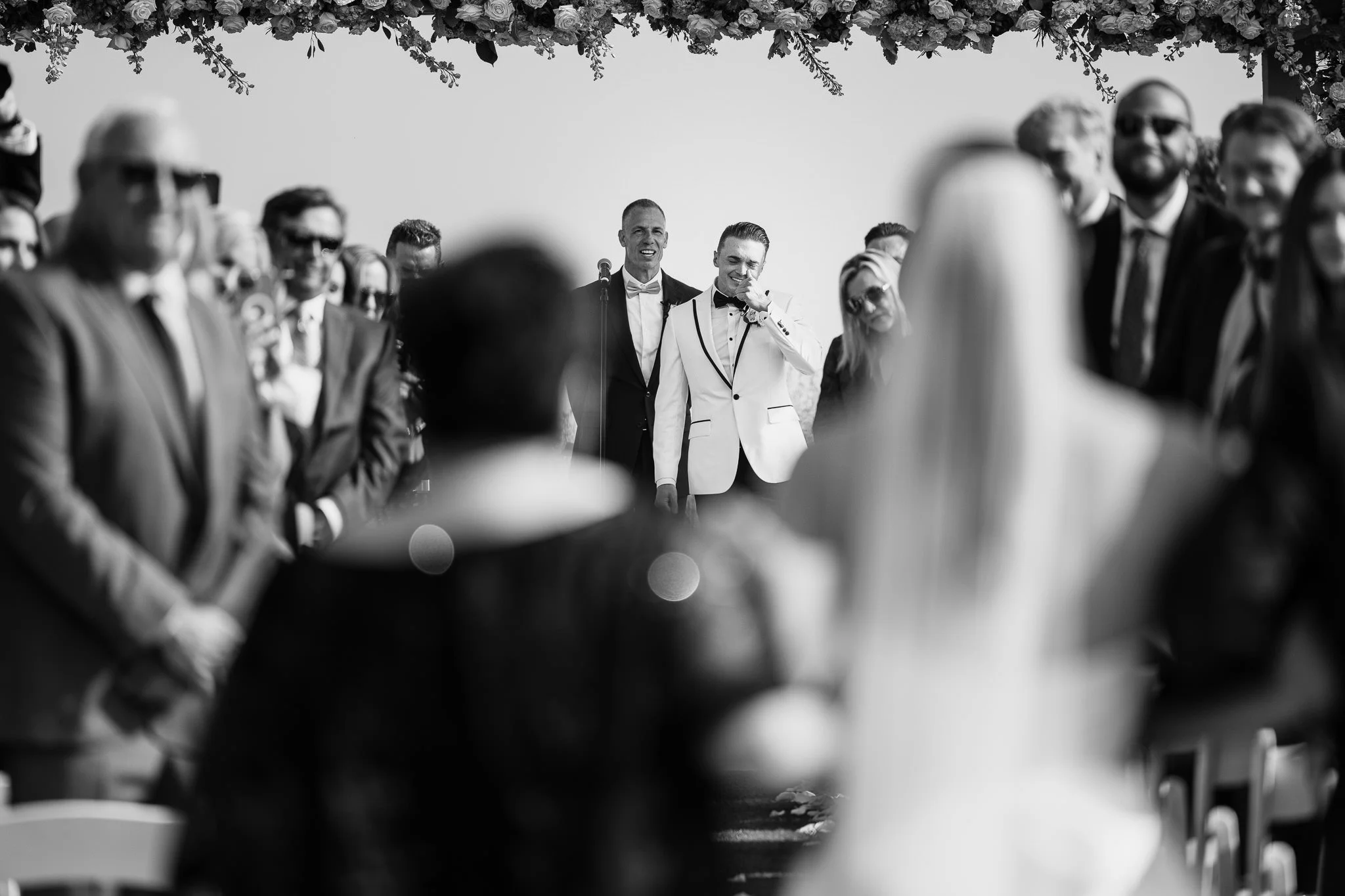
Your ceremony is sacred ground for documentary photography. From the moment your processional music begins until you're officially married and walking back down the aisle, we are purely observers.
What we're capturing:
Your partner's face the exact moment they see you appear at the entrance.
Your father's expression as he walks you down the aisle—the pride, the nostalgia, maybe the tears he's trying to hold back.
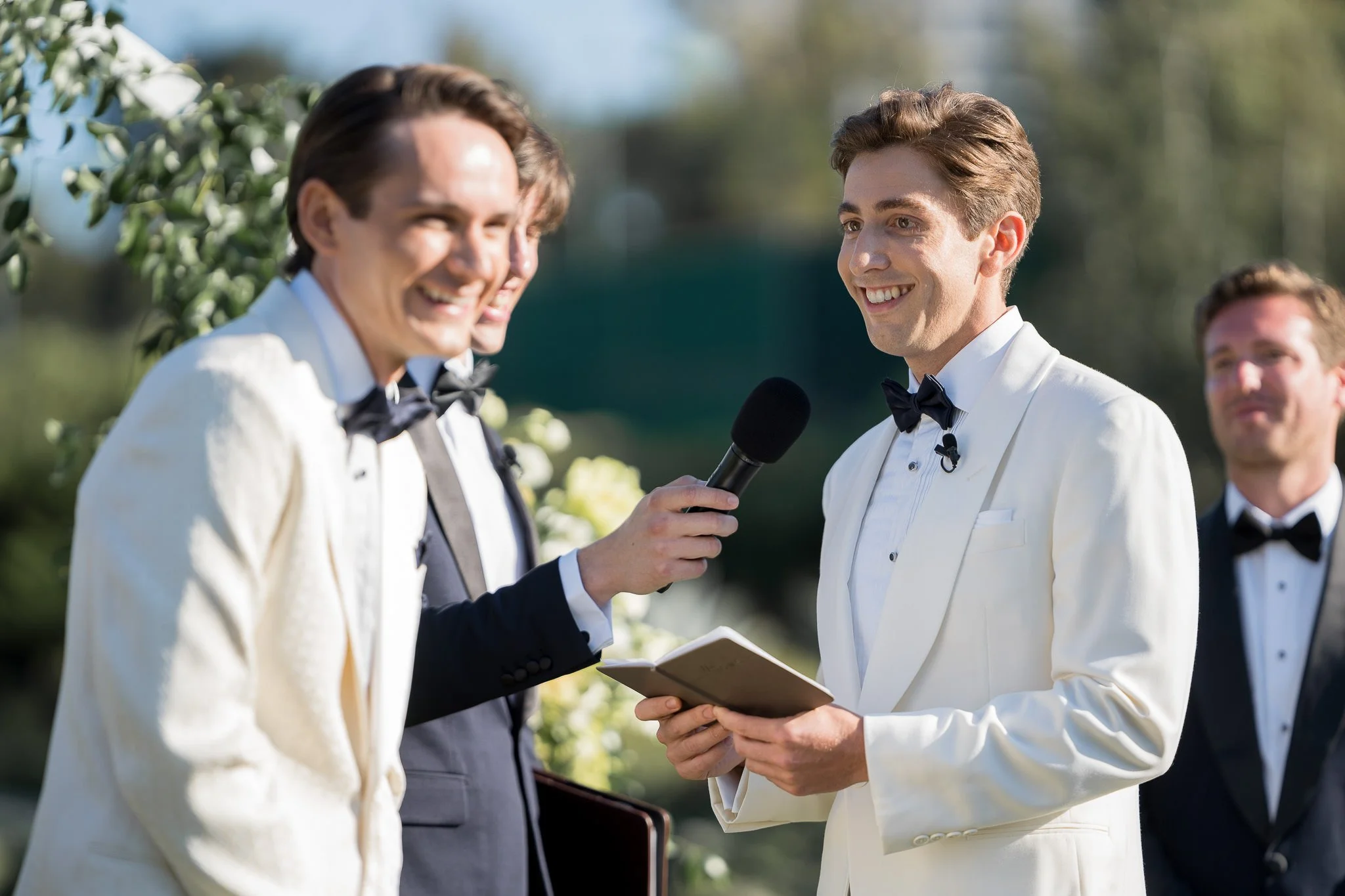
The way you both stand during the vows, how your hands hold each other, whether you're smiling or crying or both.
Your grandmother watching from the front row, perhaps remembering her own wedding day.
The officiant's warm smile as they pronounce you married.
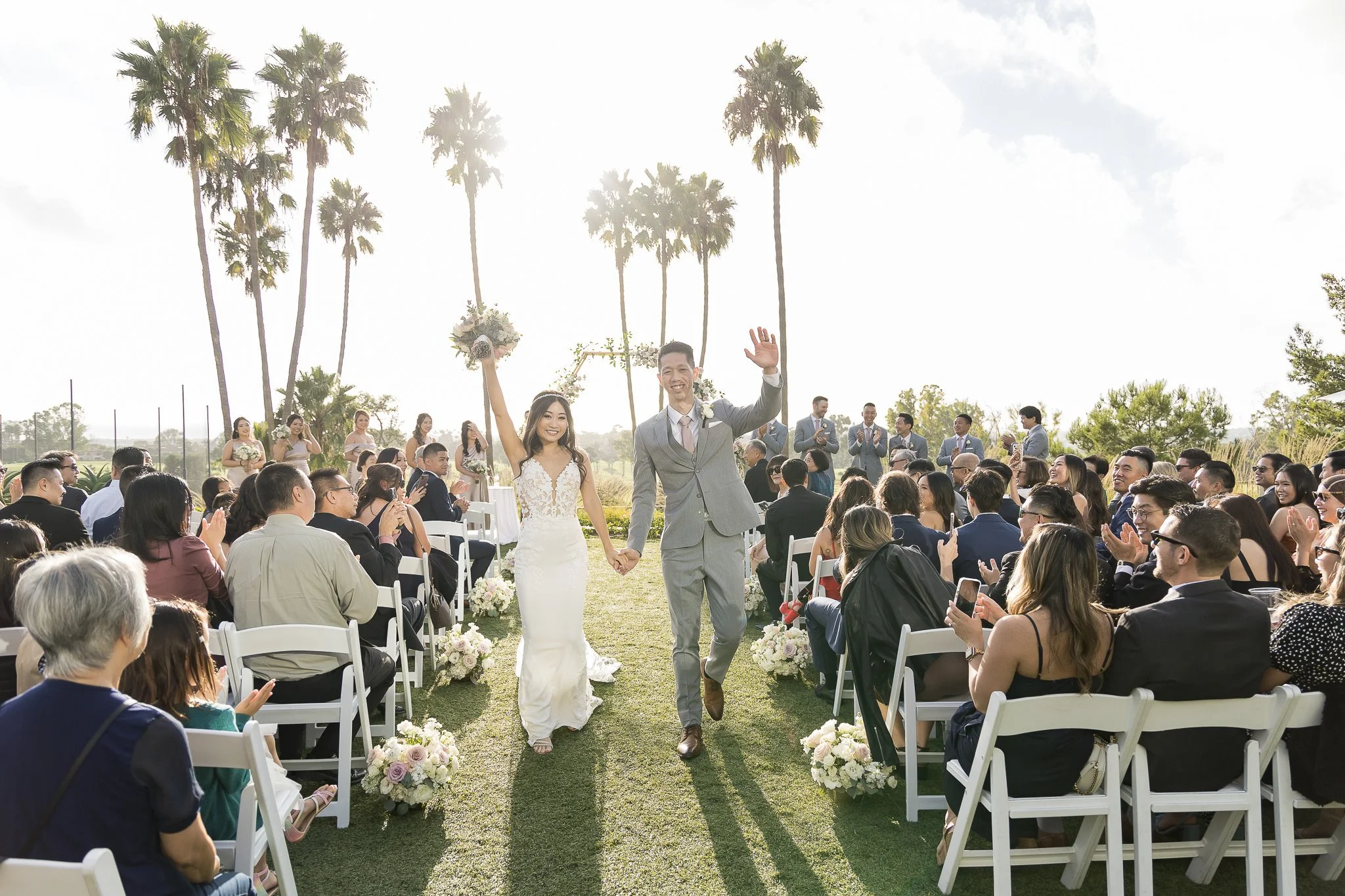
The pure joy on both your faces during that first kiss as a married couple.
Your guests' genuine reactions—the tears, the smiles, the knowing glances between longtime couples.
What we're NOT doing:
We're not stopping the processional to adjust your dress.
We're not asking you to hold your vows paper differently for a better angle.
We're not interrupting to fix your boutonniere.
We're not directing your expressions or positioning.
We position ourselves strategically before the ceremony begins, then we become invisible. The ceremony unfolds exactly as it should, and we document every meaningful moment without interference.
Getting Ready: Authentic Energy and Emotion
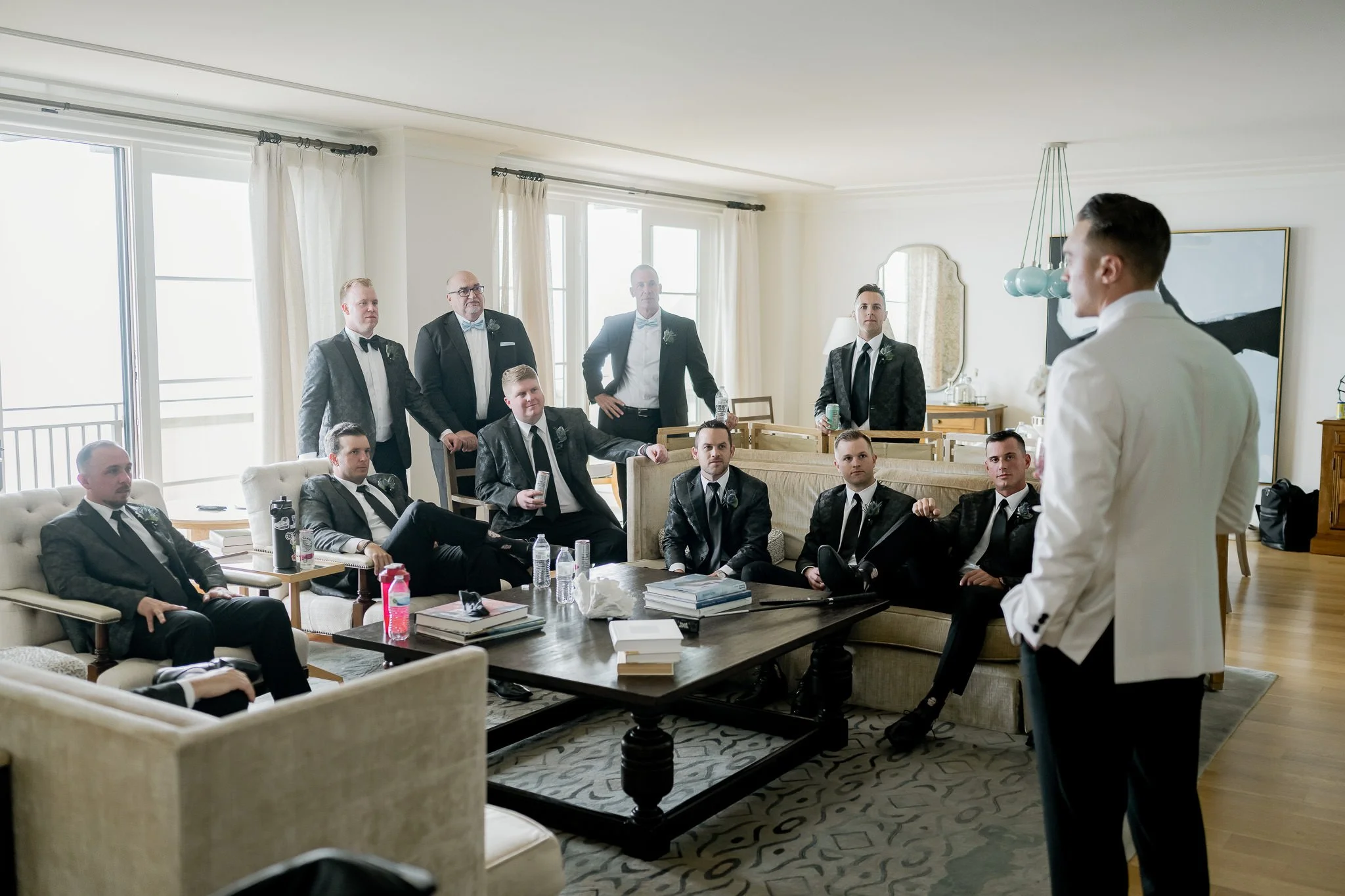
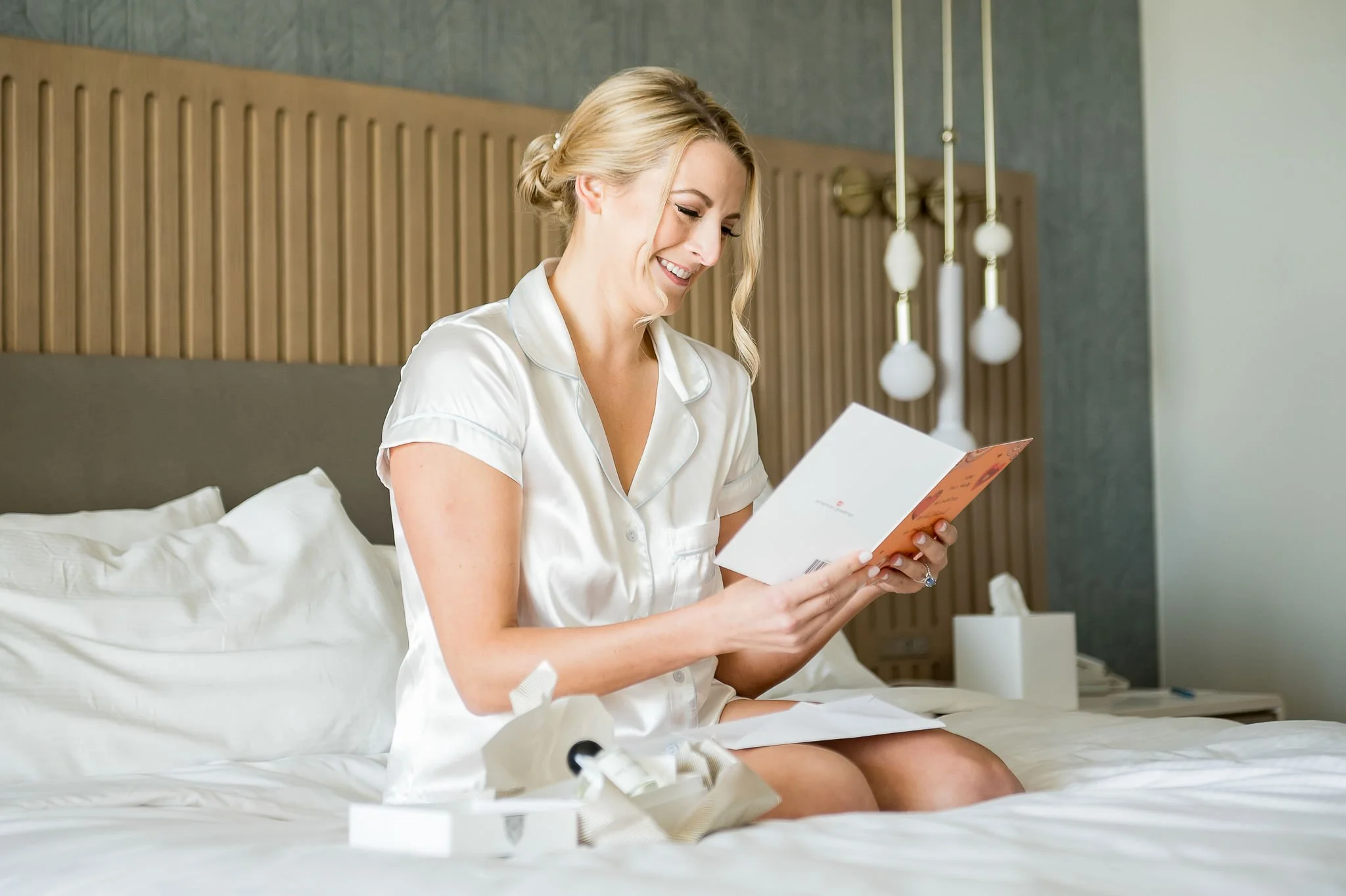
The getting-ready period is filled with nervous energy, laughter, quiet moments, and genuine connection. These moments happen naturally, and our job is to witness them, not orchestrate them.
What we're capturing:
The champagne toasts with your bridesmaids, the laughter, the tears of joy.
Your mother or sister buttoning the last button on your dress—often an emotional, tender moment.
The nervous energy as you put on your jewelry, check yourself in the mirror one last time.
Candid conversations, inside jokes, the comfort of being surrounded by your closest friends.
The groom sharing some thoughts with his closest friends.
Quiet moments of reflection before the celebration begins.
Our approach:
We're present but unobtrusive. You'll often forget we're there because we're not constantly directing or interrupting. We're looking for genuine interactions, emotional moments, and the authentic energy of the morning.
When we do offer gentle guidance—like suggesting you stand near better light while putting on your earrings—it's minimal and doesn't disrupt the natural flow of the morning.
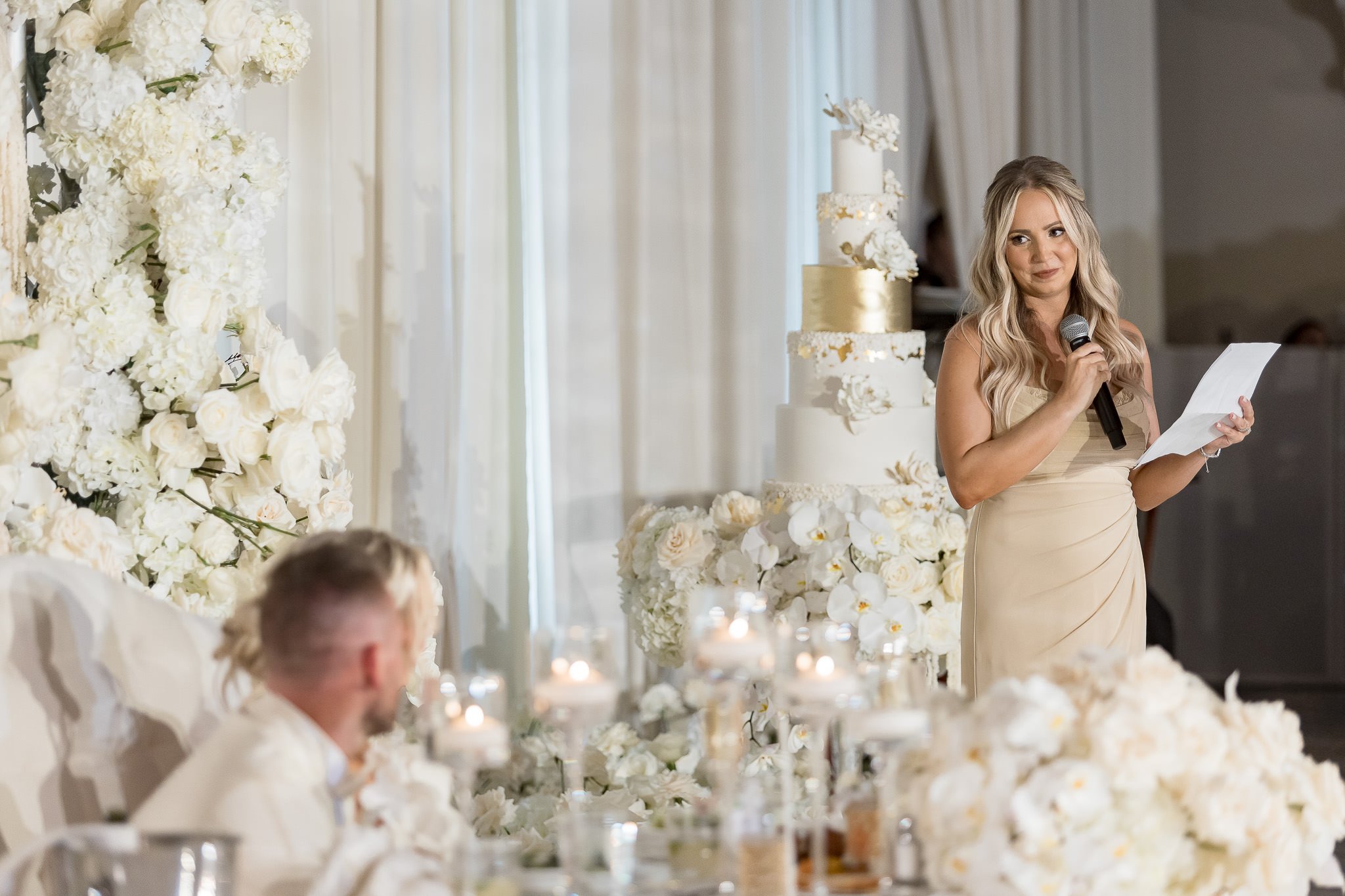
Toasts and Speeches: Reactions Tell the Story
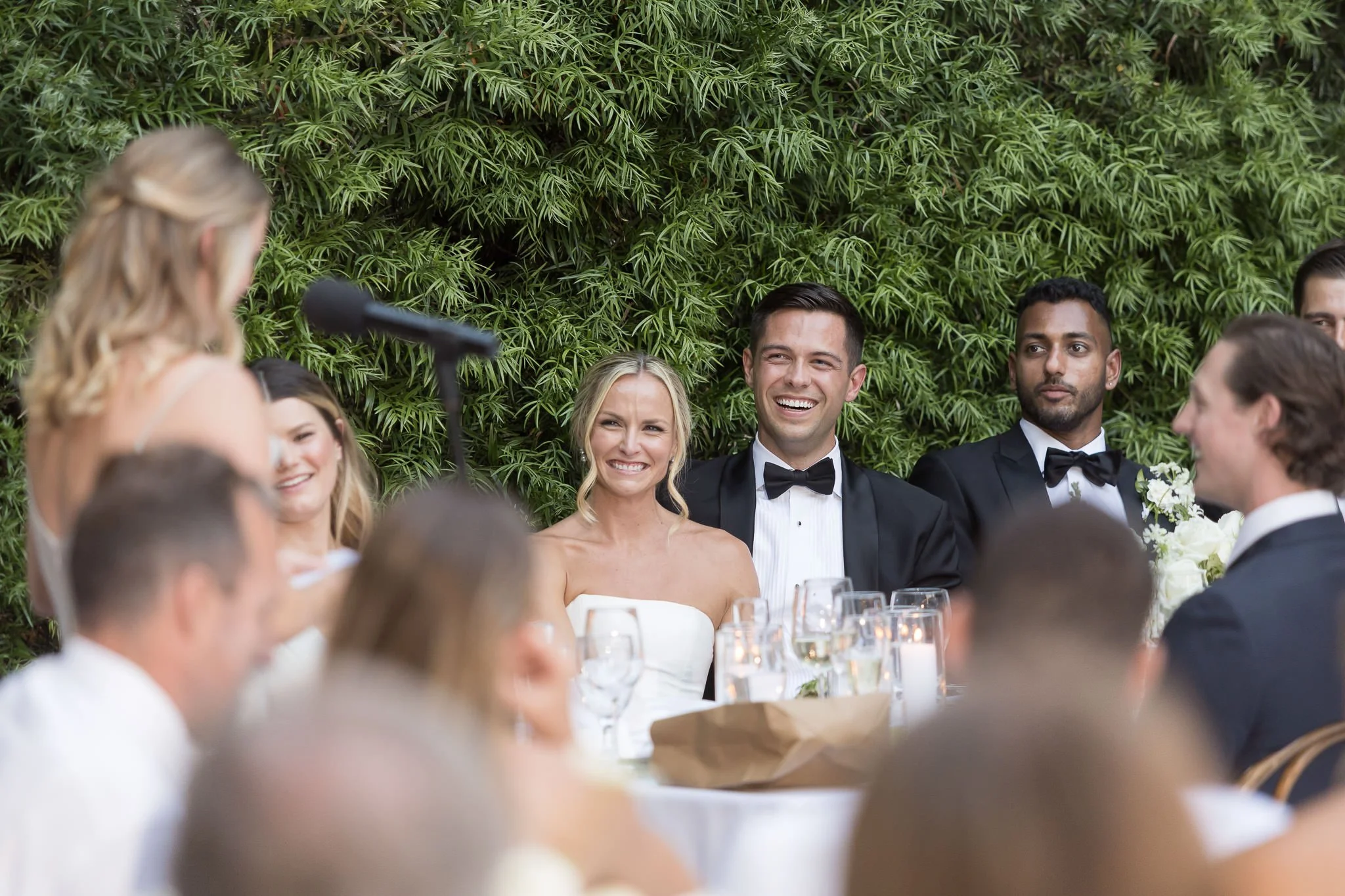
During toasts, the story isn't in the person speaking—it's in how the words land. We're focused on your faces, your parents' faces, the reactions around the room.
What we're capturing:
Your face when your maid of honor tells the story of how you met your partner.
The moment your dad gets choked up during his father-of-the-bride speech.
Your partner reaching for your hand under the table during an emotional moment.
Guests laughing at an inside joke or wiping away tears during a heartfelt story.
The look you and your partner exchange when someone says something particularly meaningful.
Why documentary matters here:
These reactions are spontaneous and fleeting. They can't be recreated. We're anticipating them, positioning ourselves to capture them, but never interrupting the moment to manufacture a reaction.
Reception Dancing and Celebration: Pure Joy
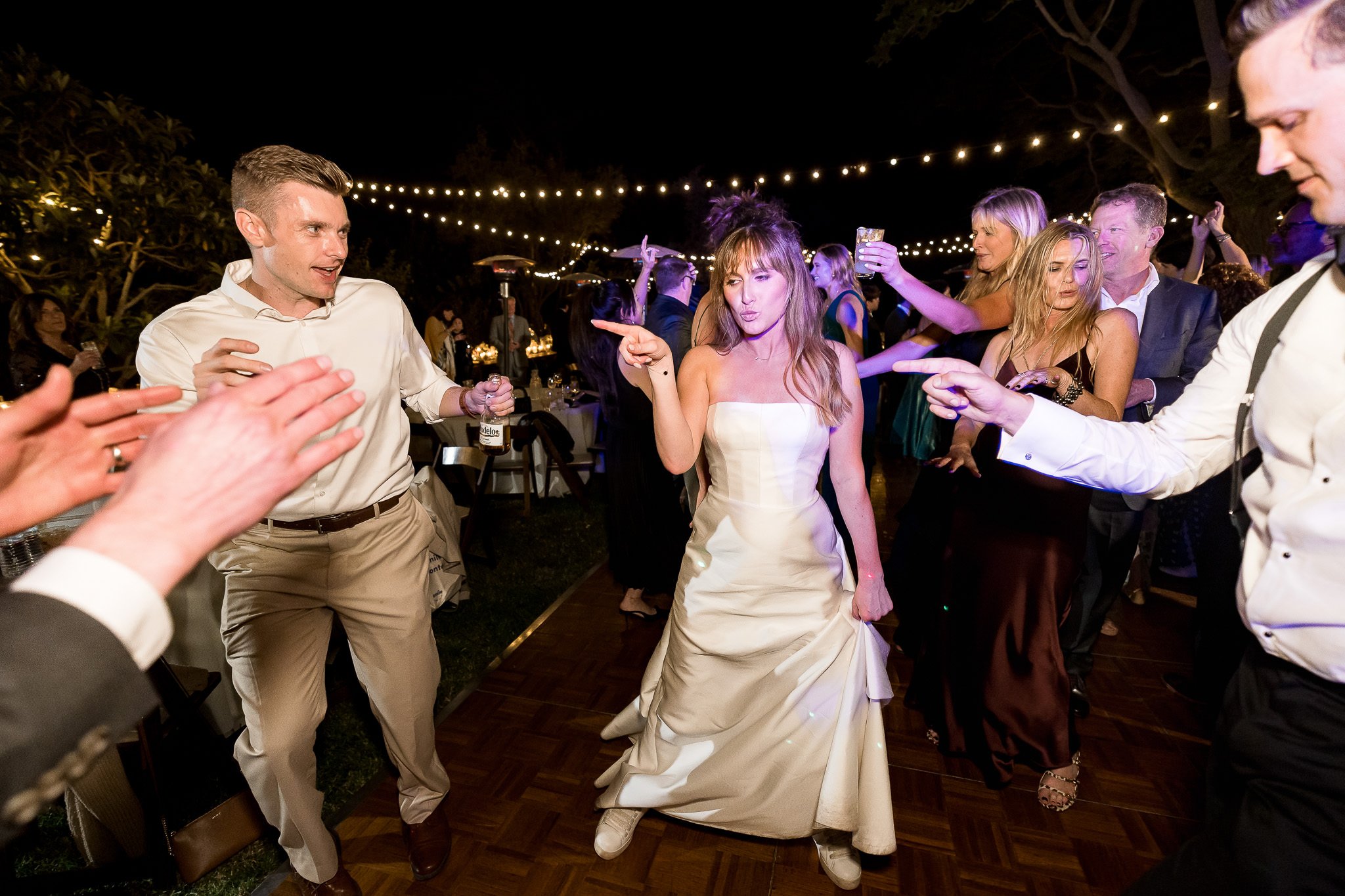
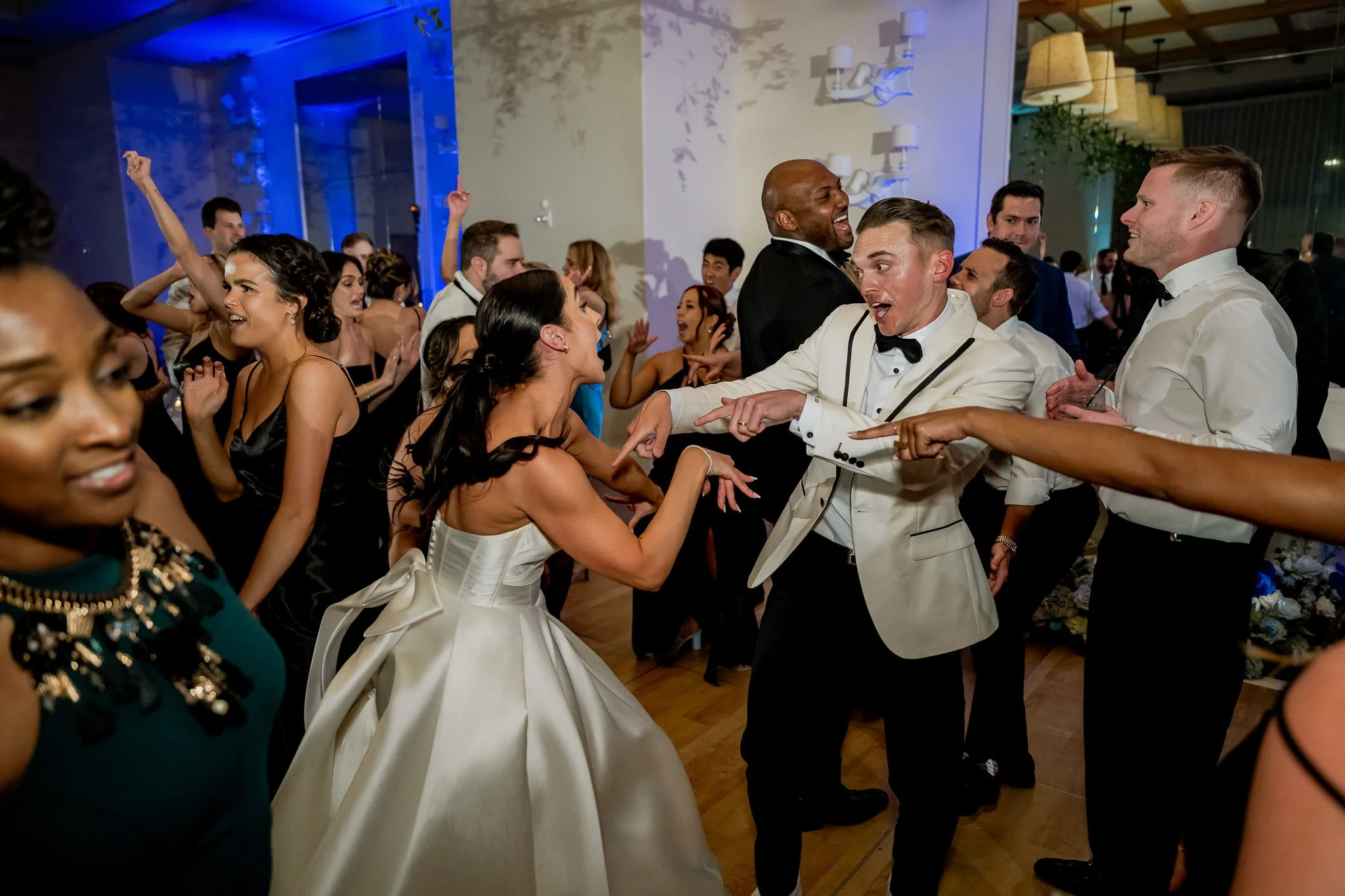
Once the dancing starts, we're in full documentary mode. This is pure celebration, authentic joy, genuine connection—everything that makes weddings meaningful.
What we're capturing:
The uninhibited joy on the dance floor—guests celebrating, moving, connecting.
Your grandfather dancing with your grandmother, perhaps their first dance in years.
Your flower girl and ring bearer making up their own dance moves.
The moment your college friends circle around you, recreating that celebration from graduation.
Candid conversations at tables during dinner service.
Unexpected moments—someone catching the bouquet with genuine surprise, guests embracing, laughter.
Our approach:
We move through the space constantly, reading the energy, anticipating moments before they happen. We're not directing dance floor poses or asking people to recreate moments. We're capturing the celebration exactly as it unfolds.
The In-Between Moments: Where Magic Happens
Some of the most treasured images come from moments between the big events. These quiet, unexpected moments reveal the real story of your day.
What we're capturing:
Your partner finding your hand during dinner and squeezing it.
Your mom adjusting your veil one last time before you walk down the aisle.
Your dad taking a deep breath before the ceremony, composing himself.
Your bridesmaids helping each other with final touches, the tenderness of friendship.
Guests arriving and greeting each other, old friends reuniting.
Children at your wedding doing what children do—being adorable, unpredictable, authentic.
Your grandparents sharing a quiet moment together at the reception.
Why these matter:
These aren't "photogenic" moments planned for the camera. They're life happening. Documentary photography ensures they're not missed.
How We Know When NOT to Interrupt
This is where emotional intelligence and human awareness become as important as technical photography skills.
Reading the room:
We're constantly assessing whether a moment is unfolding naturally and should be left alone, or whether gentle guidance would be helpful.
Moments we NEVER interrupt:
Ceremony (from processional to recessional—this is untouchable).
Toasts and speeches (we're observing reactions, not directing them).
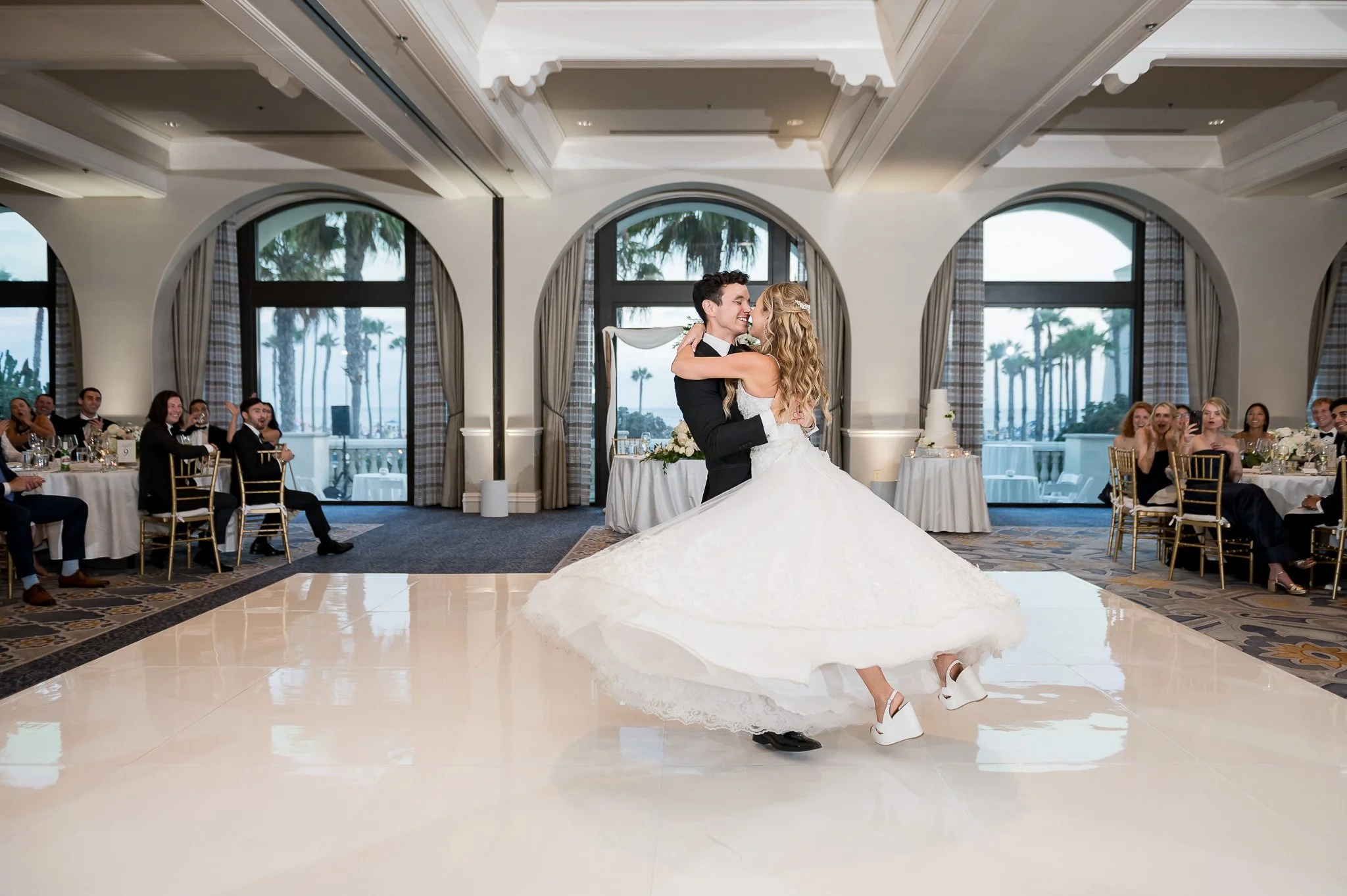
First dances (yours with your partner, with parents—these unfold naturally).
Genuine emotional moments (if someone is crying, comforting, or experiencing real emotion, we document, we don't direct).
Guest celebration and dancing (authentic joy doesn't need direction).
Any moment where our presence or direction would disrupt the genuine emotion or experience.
Moments where we might offer gentle guidance:
After the ceremony, before family formals, we'll organize the family groupings efficiently.
During getting ready, we might suggest moving toward better light, but in a natural, unobtrusive way.
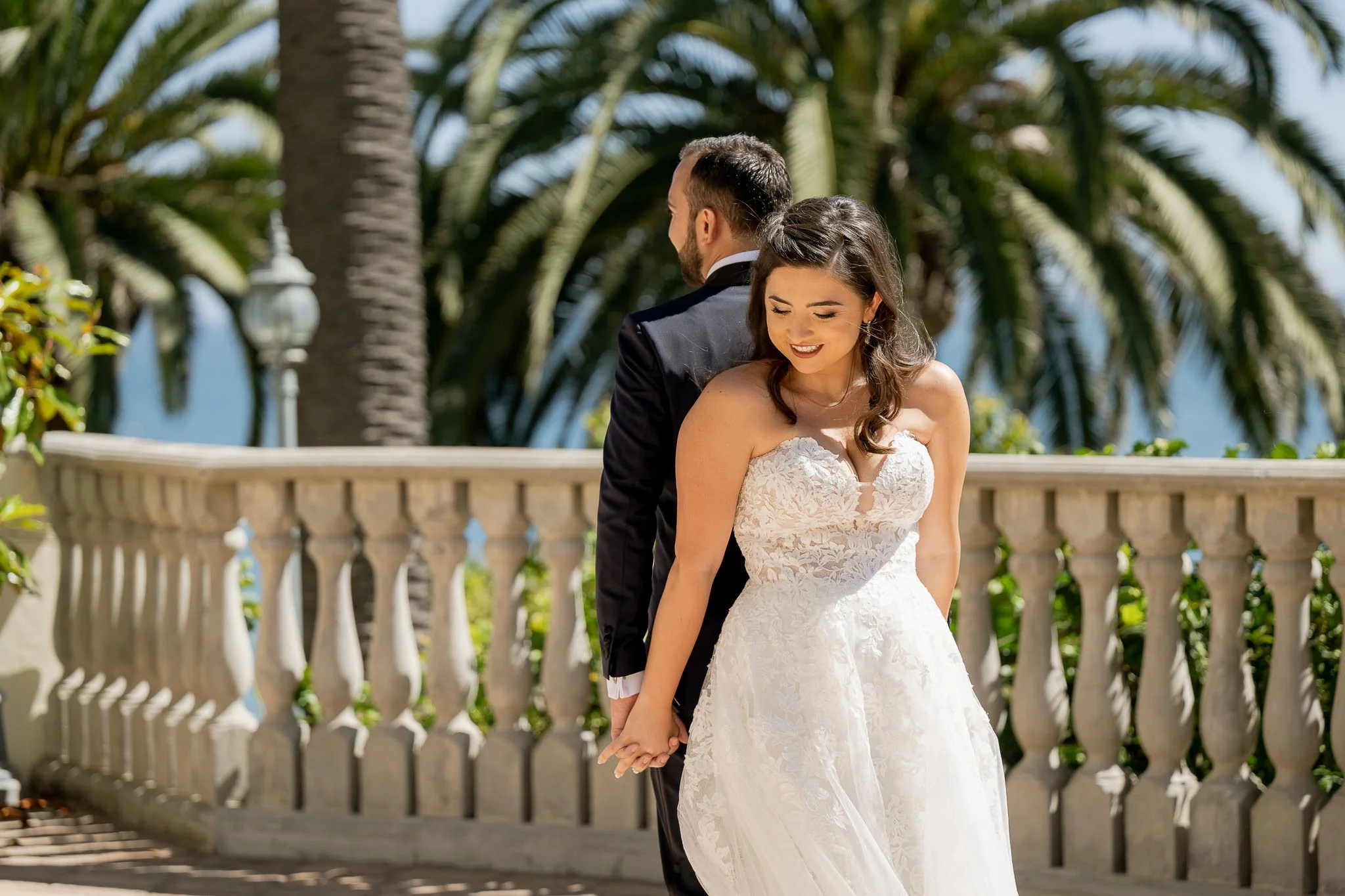
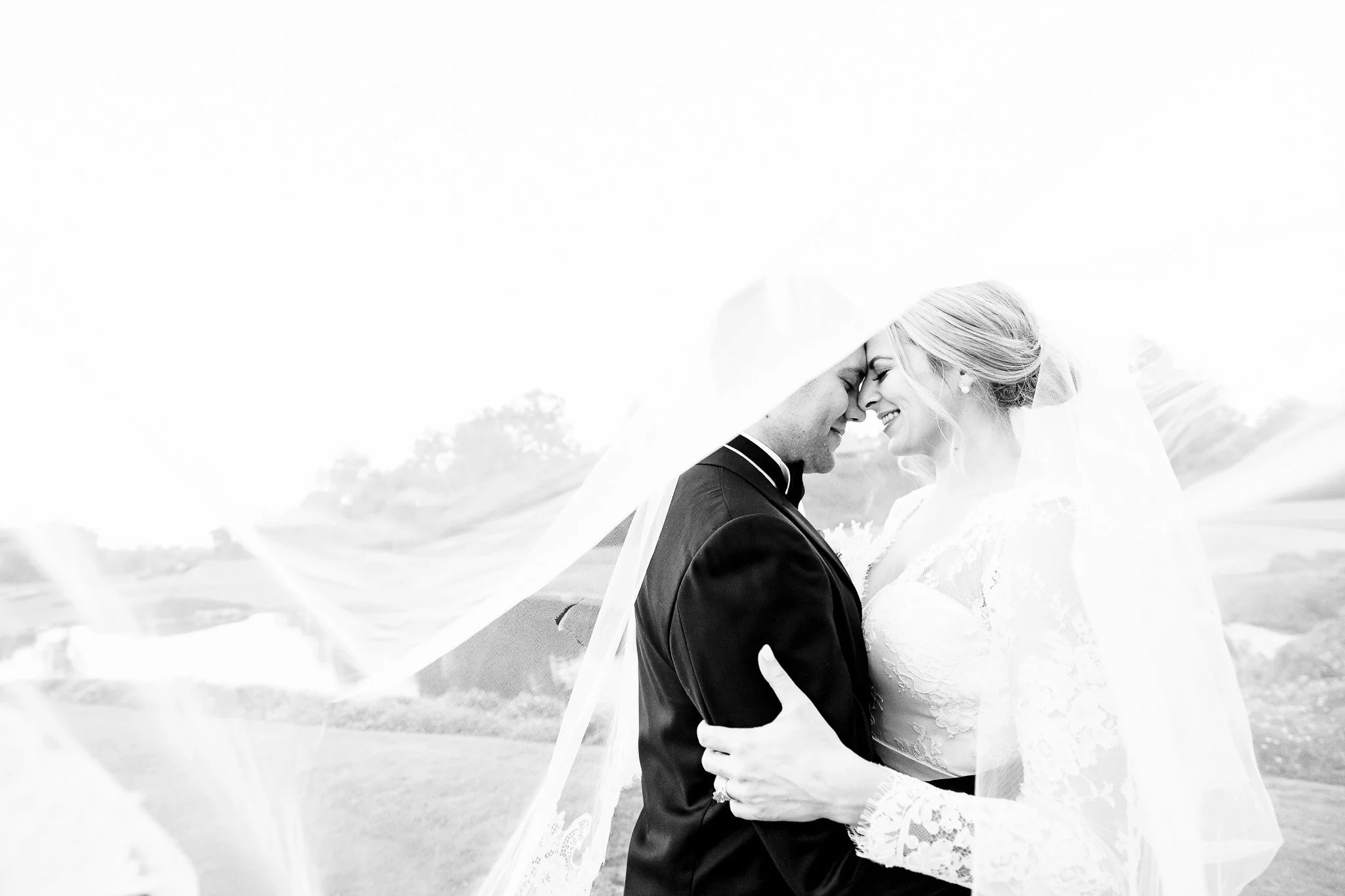
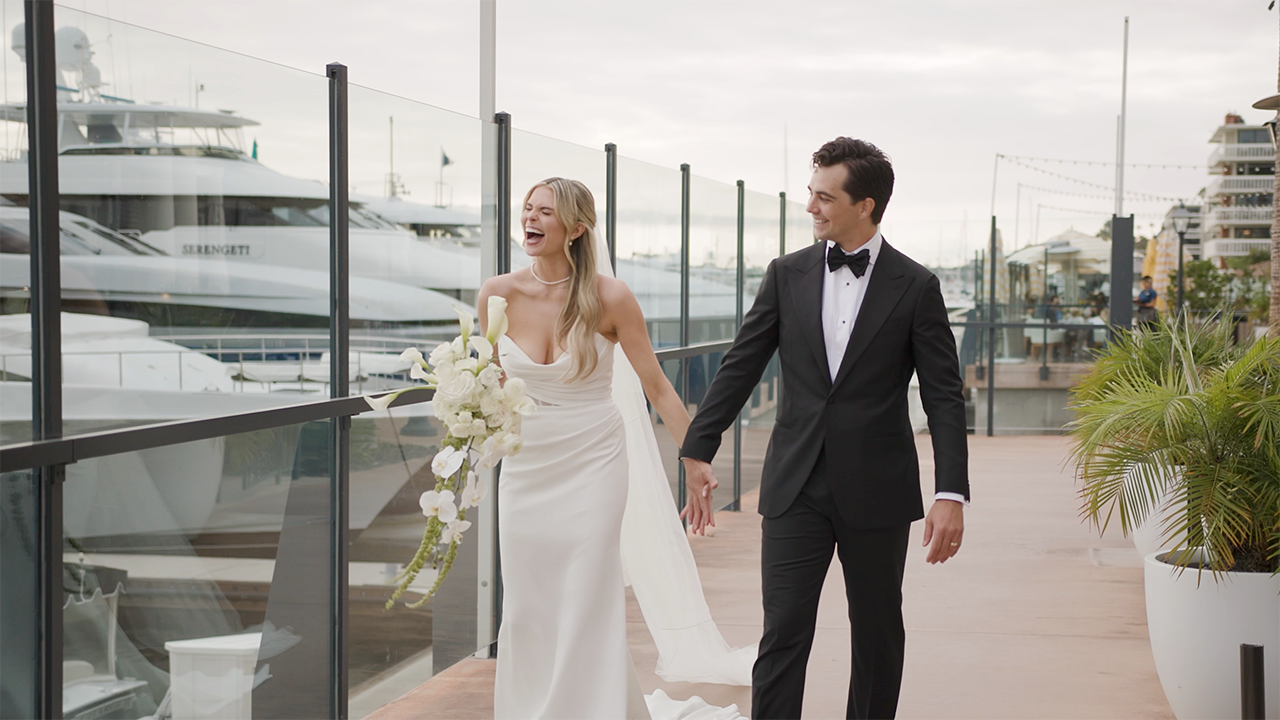
For couple portraits during golden hour, we transition from documentary observation to editorial direction—but this is clearly a designated portrait time, not an interruption of an event.
The difference:
We're not interrupting your wedding to get photos. We're capturing your wedding as it happens. There's a crucial distinction.
The Technical Skill Behind "Just Watching"
There's a misconception that documentary photography is easier because you're "just taking pictures of what happens." The reality is far more complex.
Anticipation: Seeing Moments Before They Happen
The best documentary photographers aren't just reacting to moments—they're anticipating them before they occur.
What this looks like:
We know that when the officiant says "you may now kiss," the moment we're actually hunting for is the split second before the kiss when your partner's eyes soften and the world falls away.
We know that during toasts, the most meaningful reactions often happen not when someone says something funny, but in the quiet moment right after when the words sink in.
We know that during the father-daughter dance, there's usually a moment—often mid-song—when your dad says something quiet that makes you both tear up. We're watching for it.
This requires:
Experience photographing hundreds of weddings and understanding human behavior and emotional patterns.
Constant awareness of what's happening in multiple places simultaneously.
The ability to read body language and anticipate when emotion is building.
The result:
We capture moments that even you didn't realize happened because we're positioned correctly, already focused, already ready—before the moment arrives.
Positioning: Being in the Right Place Without Being Noticed
Documentary photographers are constantly moving, reading the room, predicting where the next meaningful moment will occur.
During ceremony:
We position ourselves before the processional begins at strategic angles that capture both your faces, your families' reactions, and the overall scene—without being visible to guests or distracting from the moment.
We've already scouted the venue, understanding where light falls, where sight lines work best, and where we can be invisible while still capturing everything.
During reception:
We're moving through the space continuously, reading energy, noticing who's about to say something meaningful, watching for unexpected moments.
We're not standing in one spot hoping something happens near us. We're actively pursuing the story as it unfolds.
The goal:
You should barely notice we're there during documentary moments. If you're constantly aware of us, we're doing it wrong.
Technical Mastery: Adapting to Any Condition
Documentary photography means working with whatever light and conditions exist in the moment. We can't stop a ceremony to add lights or ask someone to move into better positioning.
What this requires:
Deep understanding of exposure, ISO, aperture, and shutter speed to work in any lighting condition—from harsh midday sun to candlelit reception.
Ability to make technical adjustments instantly as conditions change.
Knowledge of how to position ourselves for optimal light even when we can't control it.
Backup equipment and redundancy in case anything fails—because during a ceremony, there are no second chances.
The result:
Documentary moments are captured beautifully regardless of lighting challenges or environmental constraints. The ceremony happens in dim candlelight? We capture it beautifully. Toasts happen in mixed stage lighting? We adapt.
What Documentary Coverage Includes
In a typical 8-10 hour Orange County wedding, documentary coverage captures:
Pre-ceremony (2-3 hours):
Getting ready with both partners and their wedding parties
Detail shots of dress, shoes, rings, invitations, florals
Candid moments with family and friends
Quiet moments of reflection and preparation
The energy and emotion of the morning
Ceremony (30-45 minutes):
Guests arriving and being seated
Processional (every person walking down the aisle)
The entire ceremony without interruption
All genuine reactions from you, your partner, and your guests
The first kiss and recessional
Candid moments as guests congratulate you immediately after
Cocktail Hour (while you're doing portraits):
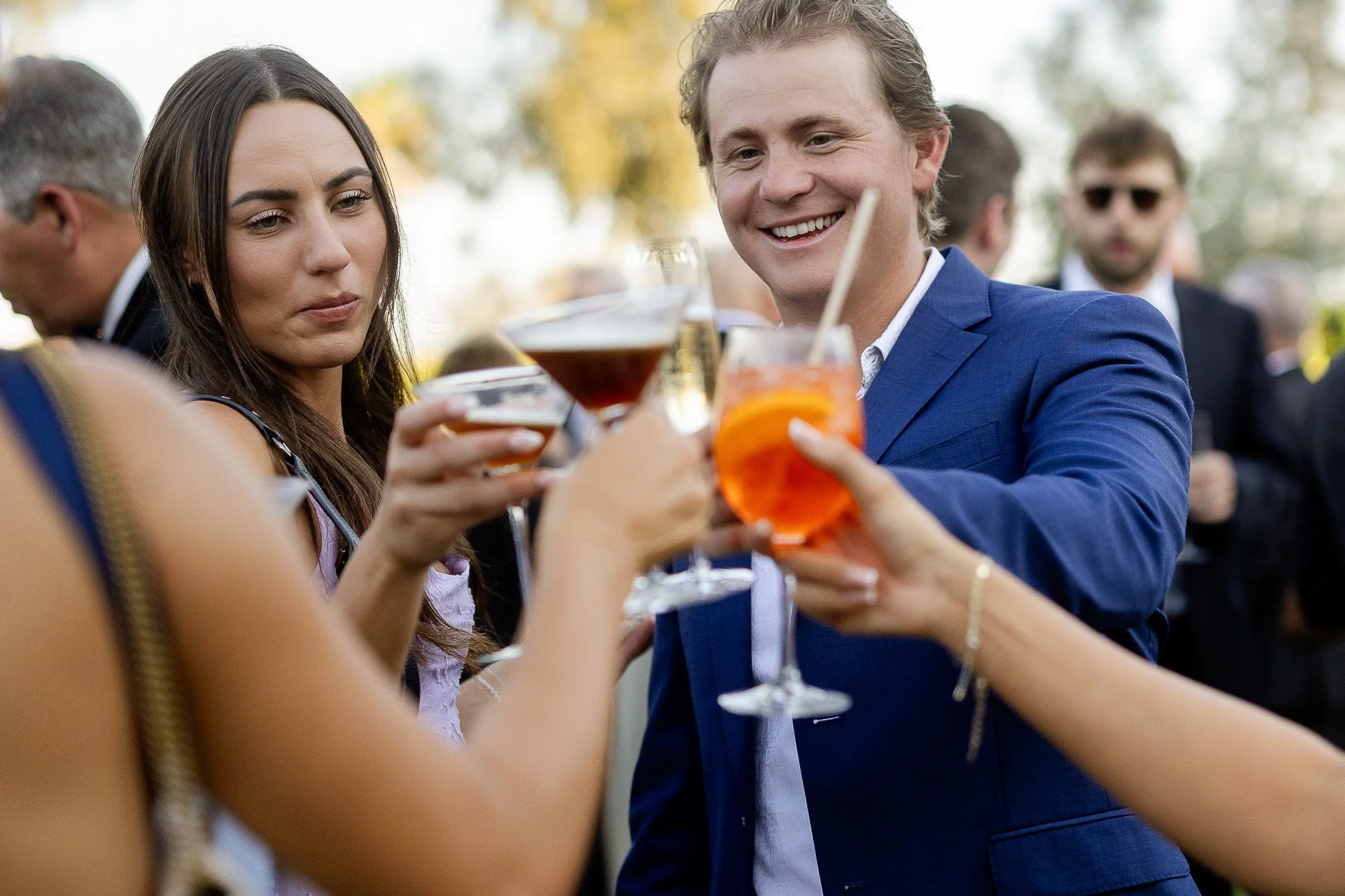
Guests enjoying cocktail hour, mingling, celebrating
Candid conversations and connections
The atmosphere and energy of the celebration
(Note: This is also when we do couple portraits with you, which shifts to editorial direction)
Reception (4-5 hours):
Grand entrance
First dance
Parent dances
Toasts and speeches
Dinner service and candid table moments
Cake cutting
Dancing and celebration
All the unexpected, unplanned moments that make your wedding unique
Send-off (if applicable)
Approximately 400-600 images total, with about 60% being pure documentary moments.
How Documentary Fits with Editorial Portraits
At One Story, we don't make you choose between documentary authenticity and editorial beauty. Here's how they work together:
Documentary coverage captures the emotional truth of your wedding day—genuine moments, real reactions, authentic celebration.
Editorial direction creates the magazine-worthy portraits you'll frame and display—intentional composition, dramatic light, architectural beauty.
The balance:
60% documentary moments with true-to-life editing
25-30% naturally guided, elevated portraits
10-15% stylized editorial moments
Want to understand the complete picture? Read our full guide on how we blend documentary and editorial wedding photography throughout your day, or learn specifically about how we create editorial portraits that still feel natural.
Why Orange County Weddings Are Perfect for Documentary Photography
Southern California offers incredible natural light, stunning venues, and often outdoor celebrations that create perfect conditions for documentary wedding photography.
The light:
Orange County's consistent, beautiful natural light—particularly during golden hour—means documentary moments are captured in gorgeous, flattering illumination without artificial lighting setups.
Outdoor ceremonies and receptions benefit from natural light that creates depth, dimension, and warmth in documentary images.
The venues:
Properties like The Resort at Pelican Hill, Montage Laguna Beach, and Casa Romantica offer beautiful backgrounds that enhance documentary moments without needing artificial staging.
Indoor-outdoor flow at many Orange County venues means documentary coverage can move seamlessly between spaces.
The celebration style:
Southern California weddings often have a relaxed, celebratory energy that translates beautifully to documentary photography—genuine joy, authentic connection, real celebration.
Common Questions About Documentary Wedding Photography
Will you miss important moments if you're not directing?
No—in fact, the opposite is true. When we're constantly directing and posing, we miss the genuine moments happening around us. Documentary photography requires us to be hyperaware, constantly reading the room, and anticipating moments before they happen. We capture more meaningful moments because we're focused on observation rather than orchestration.
What if nothing interesting happens during our ceremony?
This has never been the case in hundreds of weddings. Ceremonies are inherently emotional, meaningful events. Even the quietest, most reserved couples and families have genuine reactions, meaningful glances, and authentic moments. Our job is to notice them and capture them—they're always there.
How do you know where to be for key moments?
Experience and anticipation. We've photographed hundreds of weddings and understand the rhythm and flow of wedding days. We know when emotion is building, we read body language, and we position ourselves before moments happen. We're also constantly moving and aware of multiple things happening simultaneously.
Do you ever give any direction during documentary moments?
Rarely, and only in minimal, non-disruptive ways. For example, during getting ready, we might suggest moving toward a window for better light—but we're not posing you or directing your expressions. During ceremony and reception, we give zero direction. Those moments unfold entirely naturally.
What if our ceremony is very short—will you still capture enough?
Yes. Even a 15-minute ceremony has dozens of meaningful moments. The length doesn't matter; the genuine emotion does. We capture everything from processional to recessional, regardless of ceremony length.
How do you handle low light during ceremony without flash?
Professional documentary wedding photographers are equipped with cameras and lenses that perform beautifully in low light. We work with available light and adjust our technical settings to capture ceremony moments without disruptive flash. The result is beautiful, natural-looking images even in candlelit or dimly lit ceremonies.
What if our families are camera-shy and don't show emotion?
Everyone experiences emotion at weddings, even if they're not outwardly demonstrative. Documentary photography captures subtle moments—a hand squeeze, a knowing glance, a quiet tear, a small smile. These understated moments are just as meaningful as big, obvious reactions.
Will documentary photography work if we're having a small, intimate wedding?
Absolutely. Documentary photography works for any size wedding. Intimate celebrations often have incredibly meaningful, emotional moments because the focus is entirely on the people who matter most. Some of the most powerful documentary images come from small weddings.
For Couples Who Value Authenticity
Documentary wedding photography is right for you if:
You want real moments preserved exactly as they happened, not recreated or staged.
You value emotional truth over perfect posing.
You want to experience your wedding fully without constant photographer interruption.
You trust your photographer to capture meaningful moments without being directed to them.
You understand that the best images often come from unscripted, spontaneous moments.
You want photos that make you feel something when you look at them years later—not just photos that look pretty.
The One Story Documentary Approach
At One Story, documentary wedding photography is a pillar of what we do. We believe the real story of your wedding day lives in the genuine, unscripted moments that unfold naturally.
Your ceremony deserves to be experienced fully, without interruption. Your celebration deserves to be captured authentically, without constant direction. Your emotional moments deserve to be witnessed and preserved, not manufactured.
We combine this documentary foundation with editorial portrait expertise during designated portrait times, giving you both authentic storytelling and intentionally beautiful imagery.
But make no mistake: the emotional core of your gallery—the images that will move you to tears decades from now—those come from documentary moments captured with skill, awareness, and deep respect for the genuine experience of your wedding day.
Want to see documentary coverage in action? We can share complete wedding galleries showing our documentary approach throughout ceremony, reception, and celebration.
Ready to talk about your Orange County wedding? Let's start a conversation about how we'll document your authentic story.
Find a Time to Meet with us
Learn more about our Southern California Wedding Photography Services
Orange County Wedding Photographer | Los Angeles Wedding Photographer | San Diego Wedding Photographer | Santa Barbara Wedding Photographer