
Why You Need a Second Wedding Photographer
Why You Need a Second Wedding Photographer: The Complete Guide
You can't be in two places at once—and neither can your wedding photographer.
This simple reality creates the most common regret we hear from couples after their wedding: "I wish we had coverage of both of us getting ready," or "I didn't realize my photographer would miss my partner's reaction during our first look."
A second photographer isn't a luxury add-on for large weddings. It's essential coverage that ensures your wedding day is documented comprehensively, not just from one perspective.
Here's everything you need to know about why a second photographer matters, when you actually need one, and what you're missing without comprehensive coverage.
The Reality: One Photographer Can't Capture Everything
What Happens with Single-Photographer Coverage
During getting ready:
Your photographer is with you (usually the bride)
Your partner's getting ready moments? Not documented
Groomsmen reactions, parent moments, detail shots? Missed
During ceremony:
Your photographer positions for your entrance
Your partner's reaction as you walk down the aisle? Partially captured at best
Guest reactions, family emotions, full processional? Limited angles
During reception:
Your photographer focuses on scheduled events (toasts, dances)
Candid guest interactions, table dynamics, ambient celebration? Minimal coverage
Detail shots of décor, centerpieces, place settings? Rushed or skipped
The math is simple: One person with a camera can only be in one place, capturing one angle, at one moment. Everything else is a choice of what not to photograph.
The Three Essential Reasons for a Second Photographer
1. Comprehensive Coverage of Simultaneous Moments
Wedding days are filled with moments happening at the same time in different locations. Without a second photographer, you're constantly choosing what to document and what to miss.
Getting Ready Coverage
What you get with two photographers:
Both partners' preparations documented equally - The bride's anticipation, the groom's nerves, both stories told
Parent and family moments on both sides - Fathers helping with ties, mothers seeing their children in wedding attire
Detail shots from both suites - Rings, shoes, invitations, flowers, getting-ready spaces
Candid moments with wedding parties - Laughter with bridesmaids, toasts with groomsmen
For couples who feel awkward in front of the camera, having comprehensive coverage helps—read our guide on how we make camera-shy couples look natural in photos.
What you miss with one photographer:
One partner's entire getting-ready experience
Half of the emotional family moments
Rushed detail shots (if captured at all)
Limited wedding party coverage
Industry insight: According to 2026 wedding photography data, couples who book two photographers receive an average of 40% more images from getting-ready coverage alone—not because photographers shoot more, but because they capture both locations simultaneously.
Ceremony Coverage: The Most Critical Moments
Your ceremony lasts 20-30 minutes, but it contains the most irreplaceable moments of your entire wedding day.
What dual coverage captures:
Lead Photographer (positioned at altar/front):
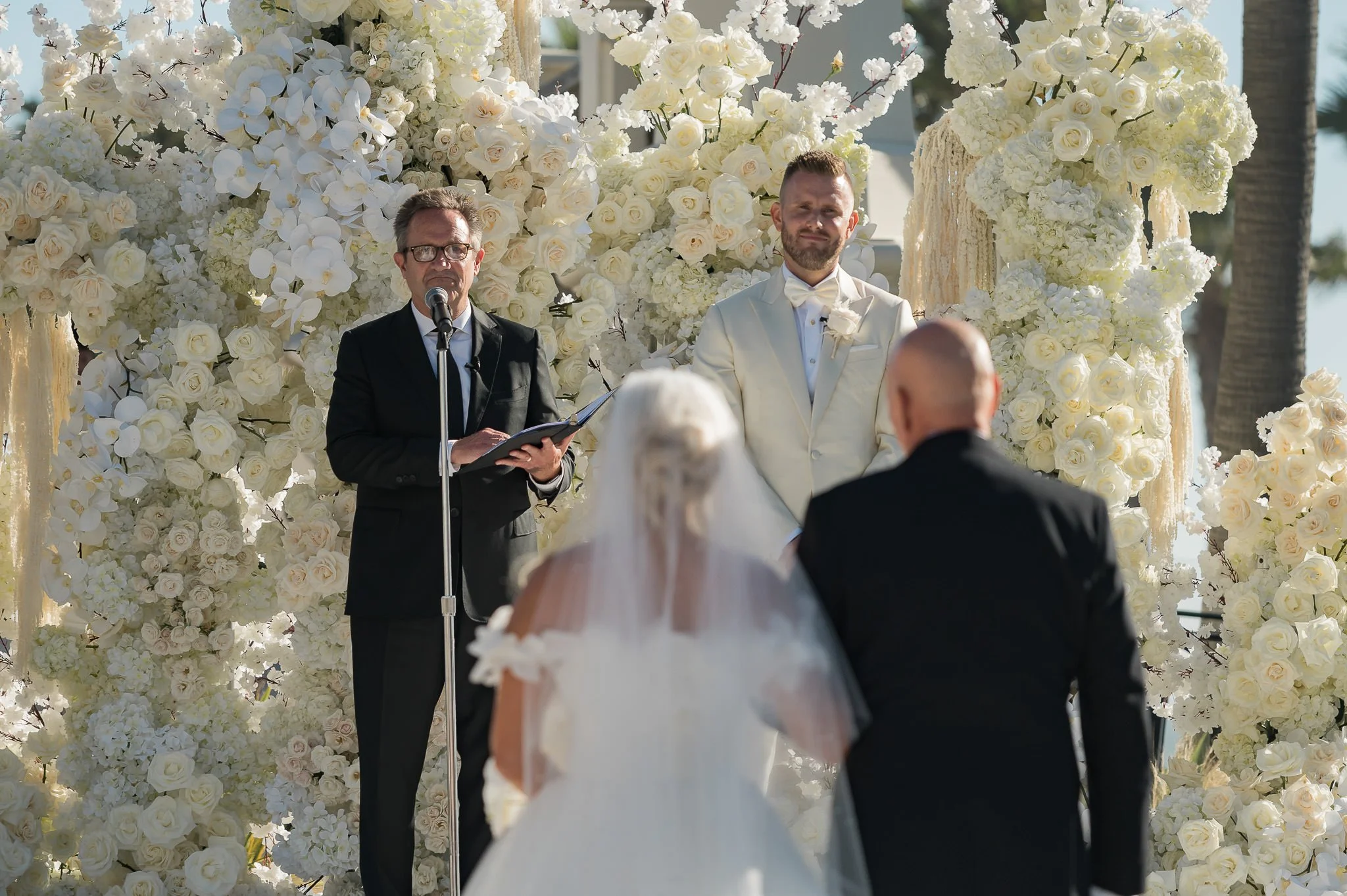
Your partner's face as you walk down the aisle
Complete vow exchange (both perspectives)
Ring exchange close-ups
The kiss (frontal angle)
Recessional with guest reactions
Second Photographer (positioned at back/side):
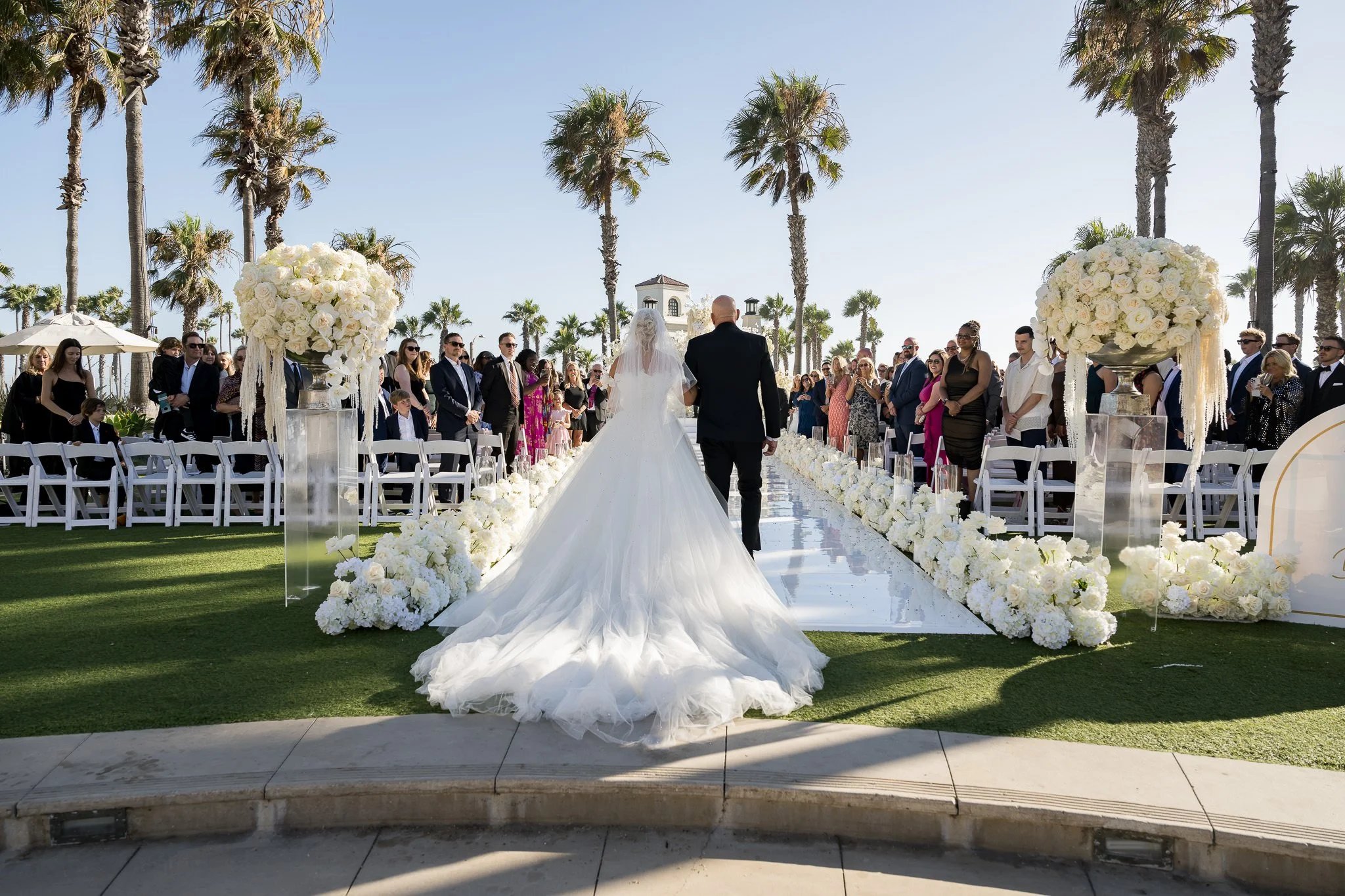
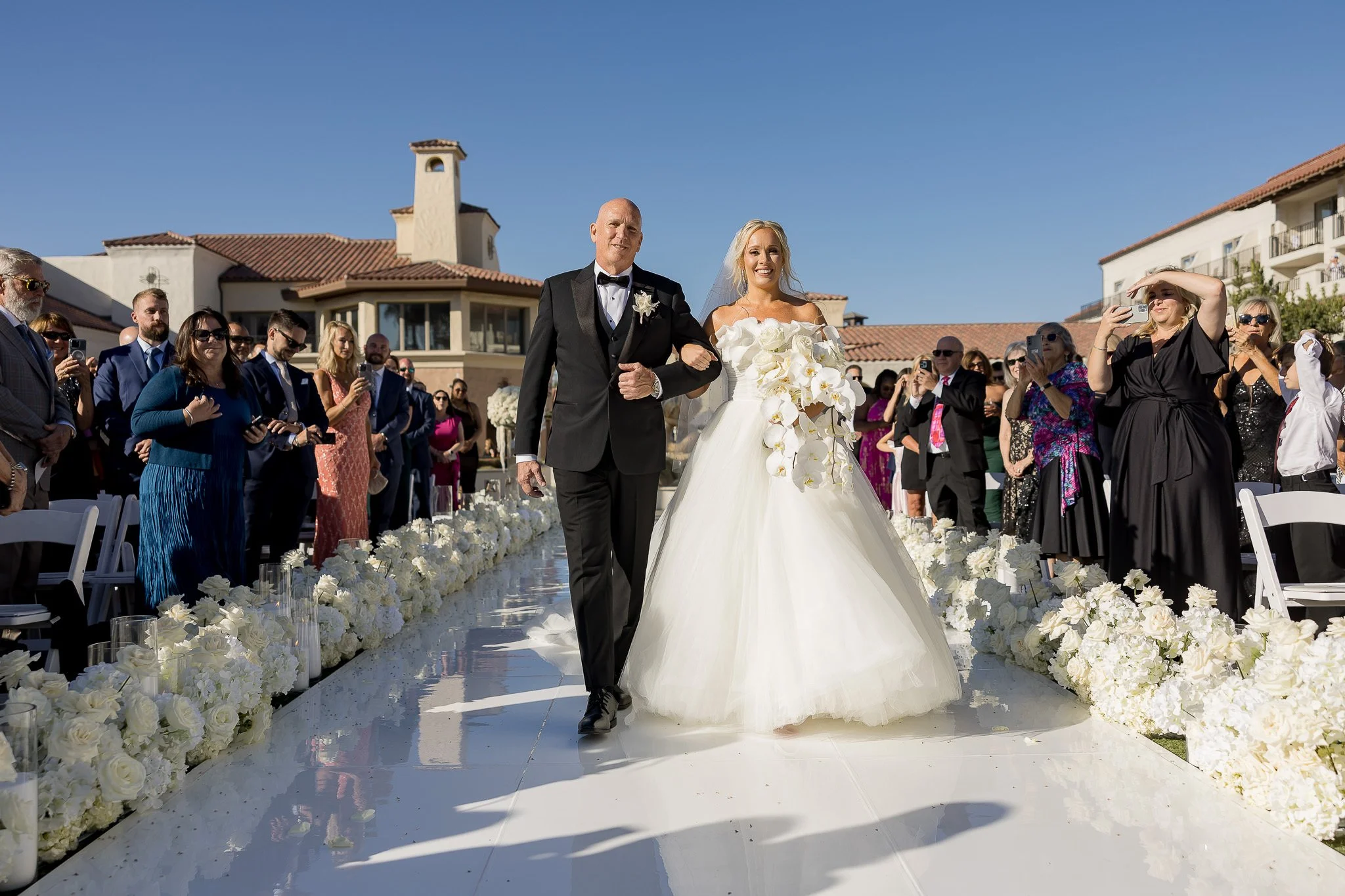
Your full entrance and processional down the aisle
Wide shots showing entire ceremony space and guest attendance
Family reactions (parents seeing you walk, siblings' emotions)
Guest perspectives (tears, laughter, meaningful glances)
Alternative angles during vows and readings
Candid moments your lead photographer's back is turned to
The difference: With one photographer, you get one perspective. With two, you get the complete story—reactions and action, wide and intimate, planned and candid.
Real example: During your first look, a single photographer positions to capture your partner's face. Who captures your reaction? Who documents the full embrace? Who gets the wide shot showing the beautiful location? A second photographer ensures all these angles exist.
Reception Coverage: Multiple Perspectives of the Same Moment
Receptions are filled with layered moments—where what's happening in the foreground is just as meaningful as the reactions unfolding around it. A single photographer can only capture one angle, one perspective, one part of the story.
The power of dual coverage during key moments:
During your father-daughter dance:
Lead photographer: Captures you and your father dancing, the embrace, your expressions
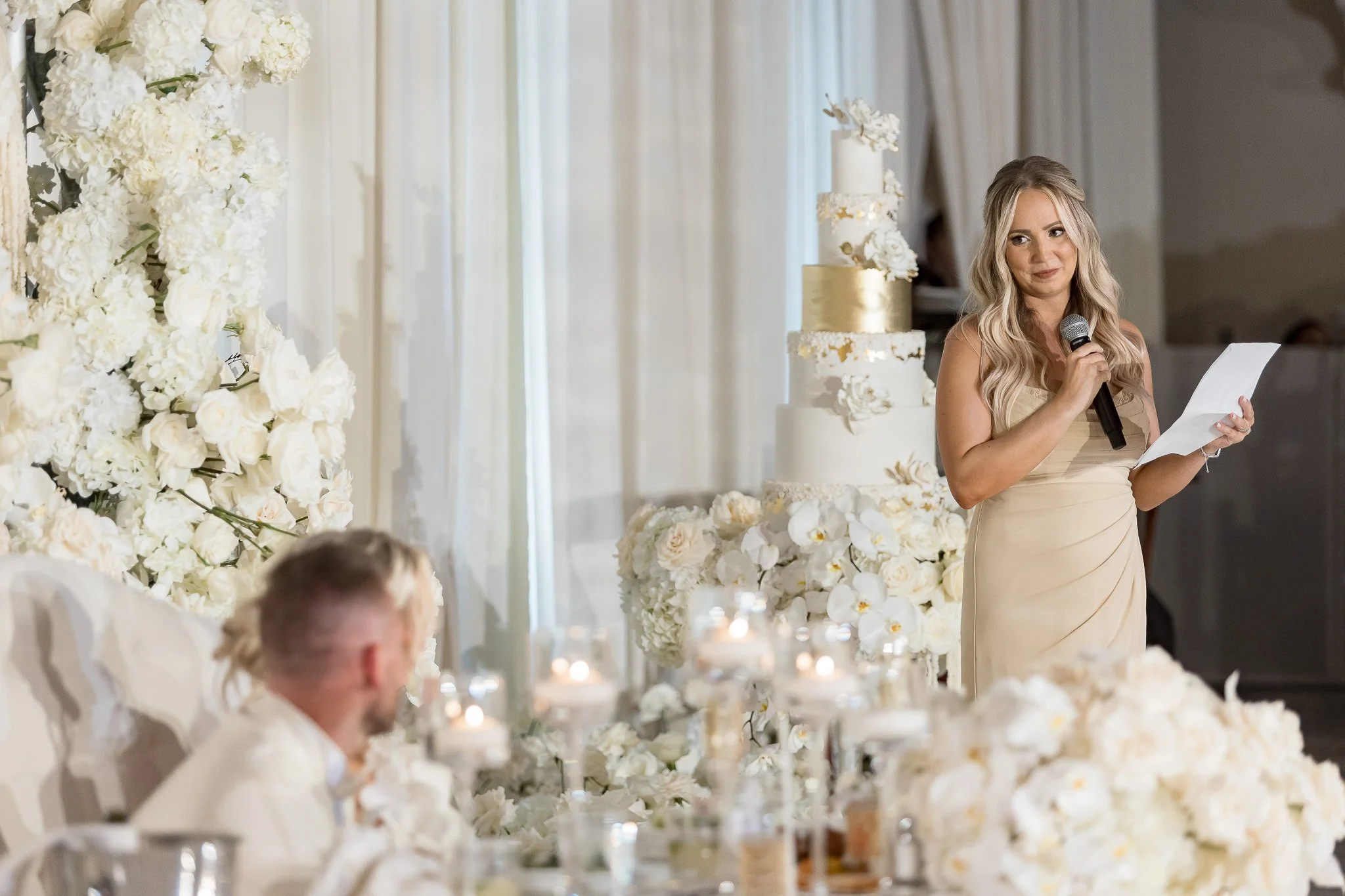
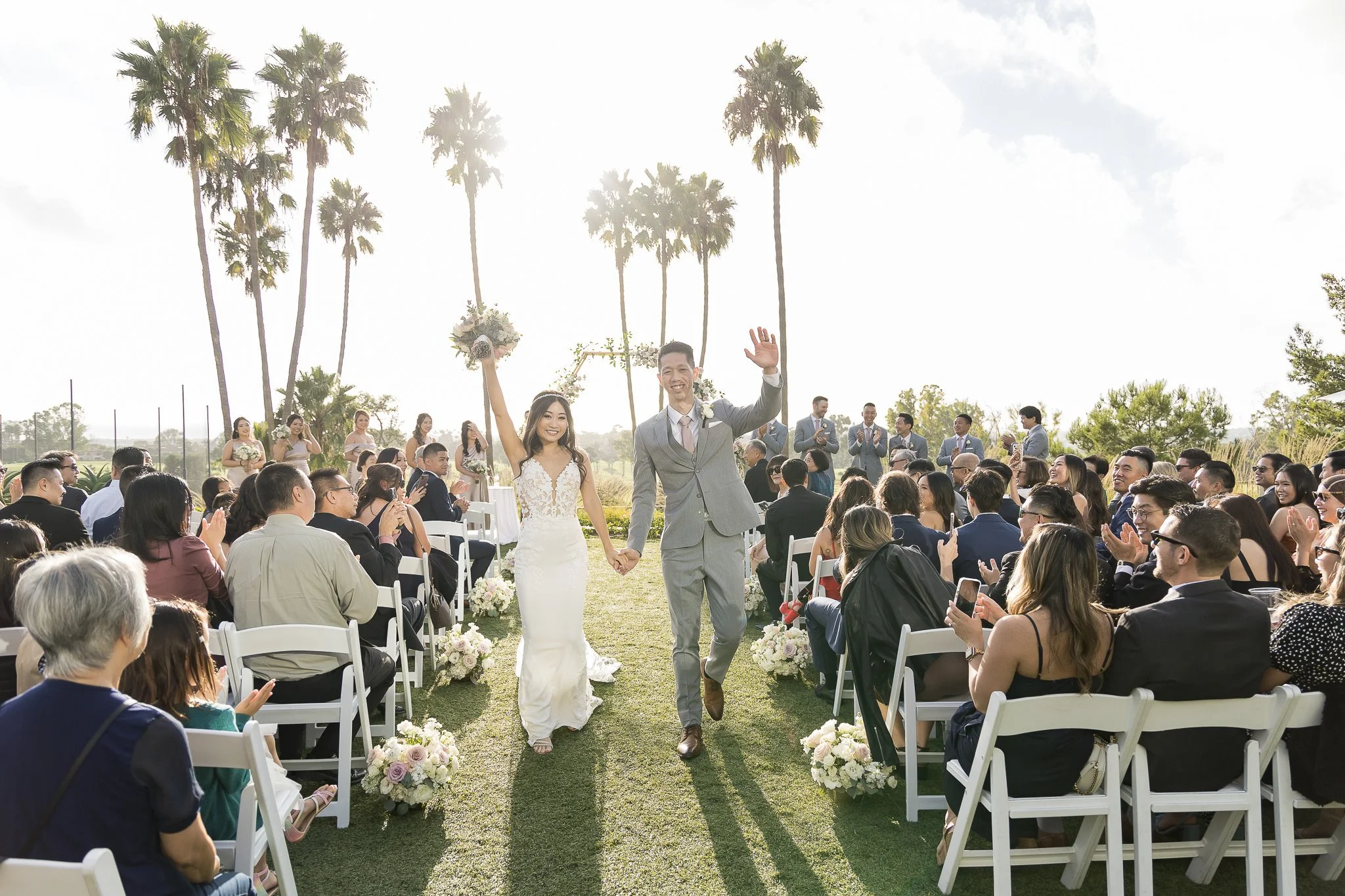
Second photographer: Documents your mother's tears watching from her seat, guests' emotional reactions, the full scene showing the moment in context
During toasts:
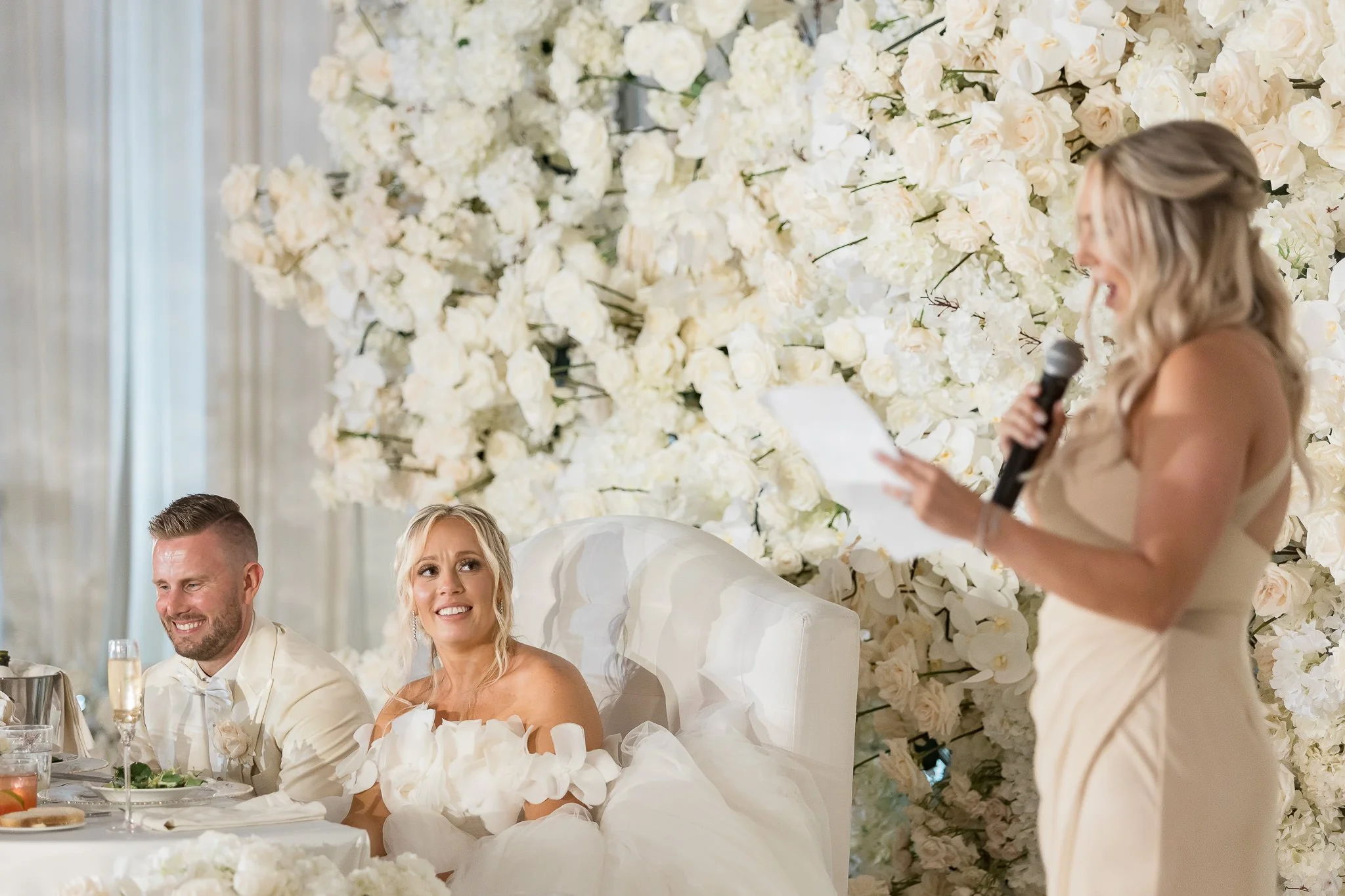
Lead photographer: Focuses on the best man delivering his speech, capturing his expressions and gestures
Second photographer: Captures you and your partner's laughter at his jokes, guests' reactions to inside stories, parents' proud expressions
During cake cutting:
Lead photographer: Close-up of the cake cutting moment, your faces, the playful interaction
Second photographer: Wide shot showing the crowd gathered around watching, guests' anticipatory smiles, the full scene with reception backdrop
During first dance:
Lead photographer: Intimate close-ups of you two dancing, your expressions, the connection
Second photographer: Wide perspective showing the full dance floor with all your guests watching, family members holding each other, the romantic lighting and atmosphere
What this means for your gallery:
Instead of just seeing what happened, you see:
The moment AND the reaction to the moment
The couple's experience AND the guests' experience
Close intimate details AND wide atmospheric context
The scheduled event AND the candid emotions it created
Single photographer limitation: They must choose—capture you cutting the cake or capture your grandmother's delighted expression watching? Document the first dance or your father's proud tears? They can't be in two places at once.
Second photographer advantage:
Layered storytelling - Every key moment documented from multiple meaningful perspectives
Emotional reactions - Parents' tears, friends' laughter, grandparents' joy—the responses that give context to your moments
Contextual shots - Wide angles showing your celebration in full—the packed dance floor, the beautifully decorated space, the energy of the room
Candid guest moments - The conversations, interactions, and connections happening while you're occupied with scheduled events
This documentary approach to capturing authentic moments ensures your gallery tells the complete story—not just what you did, but how everyone experienced it.
2. Detail Coverage Without Sacrificing Key Moments
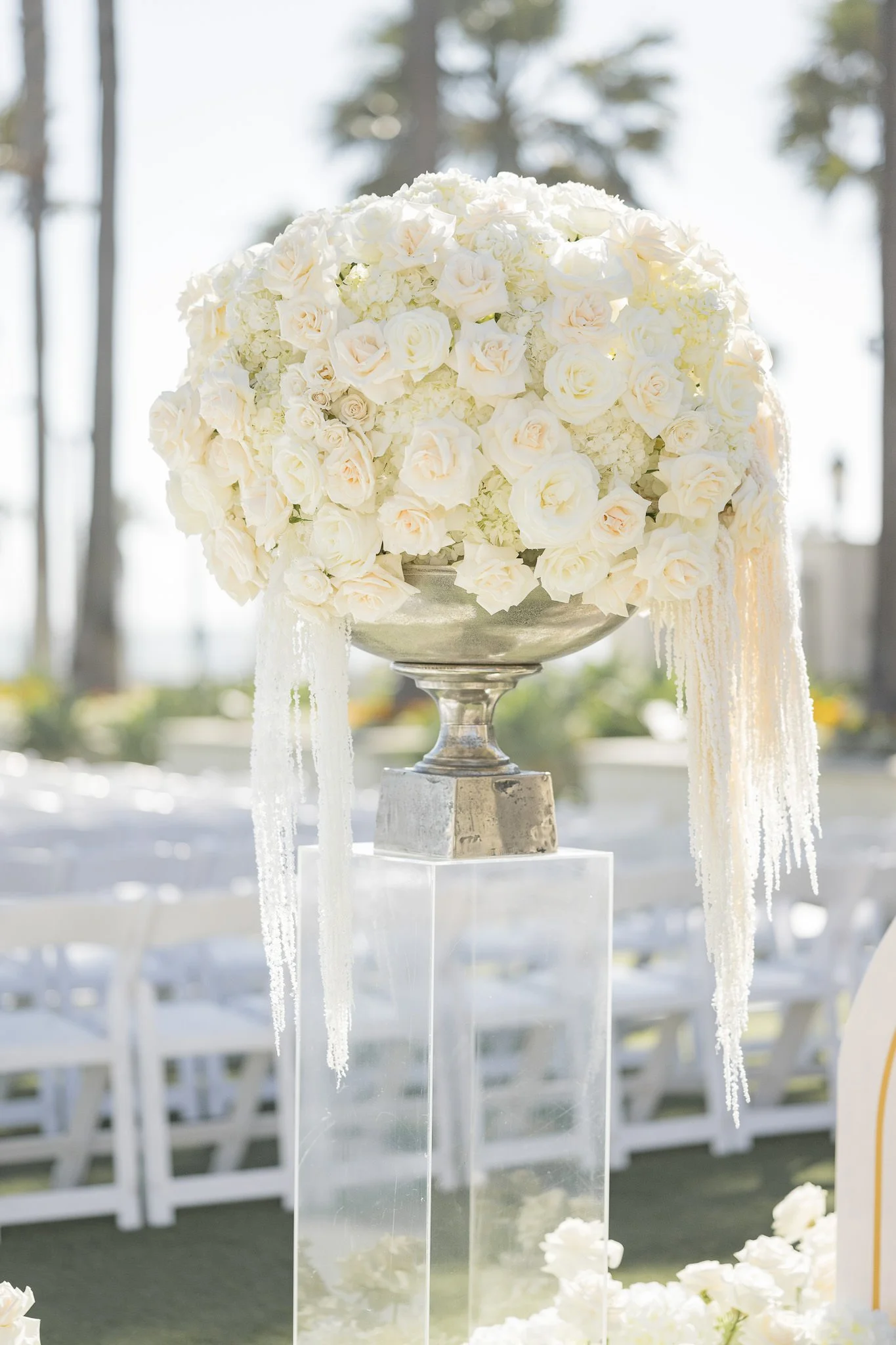
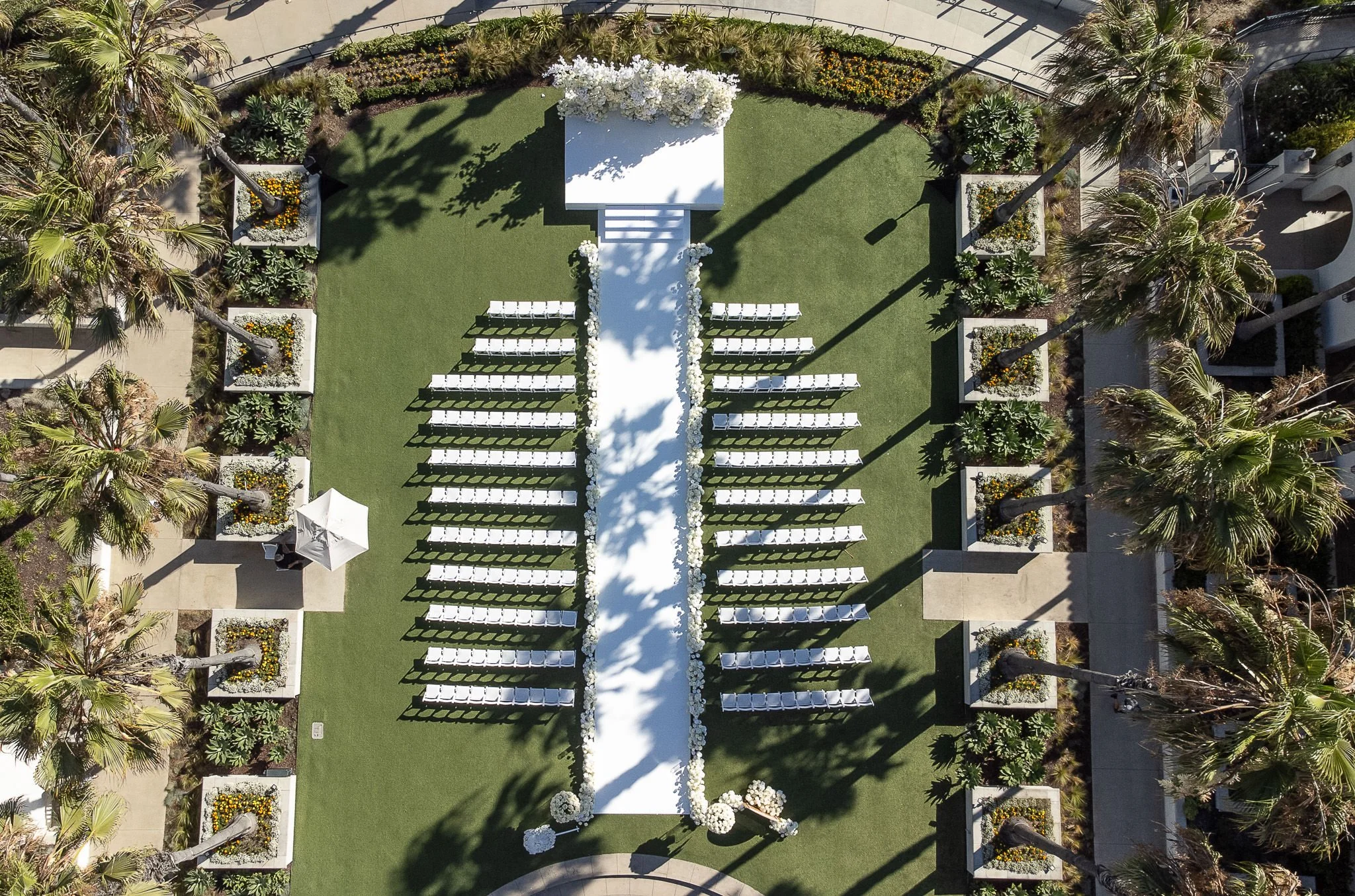
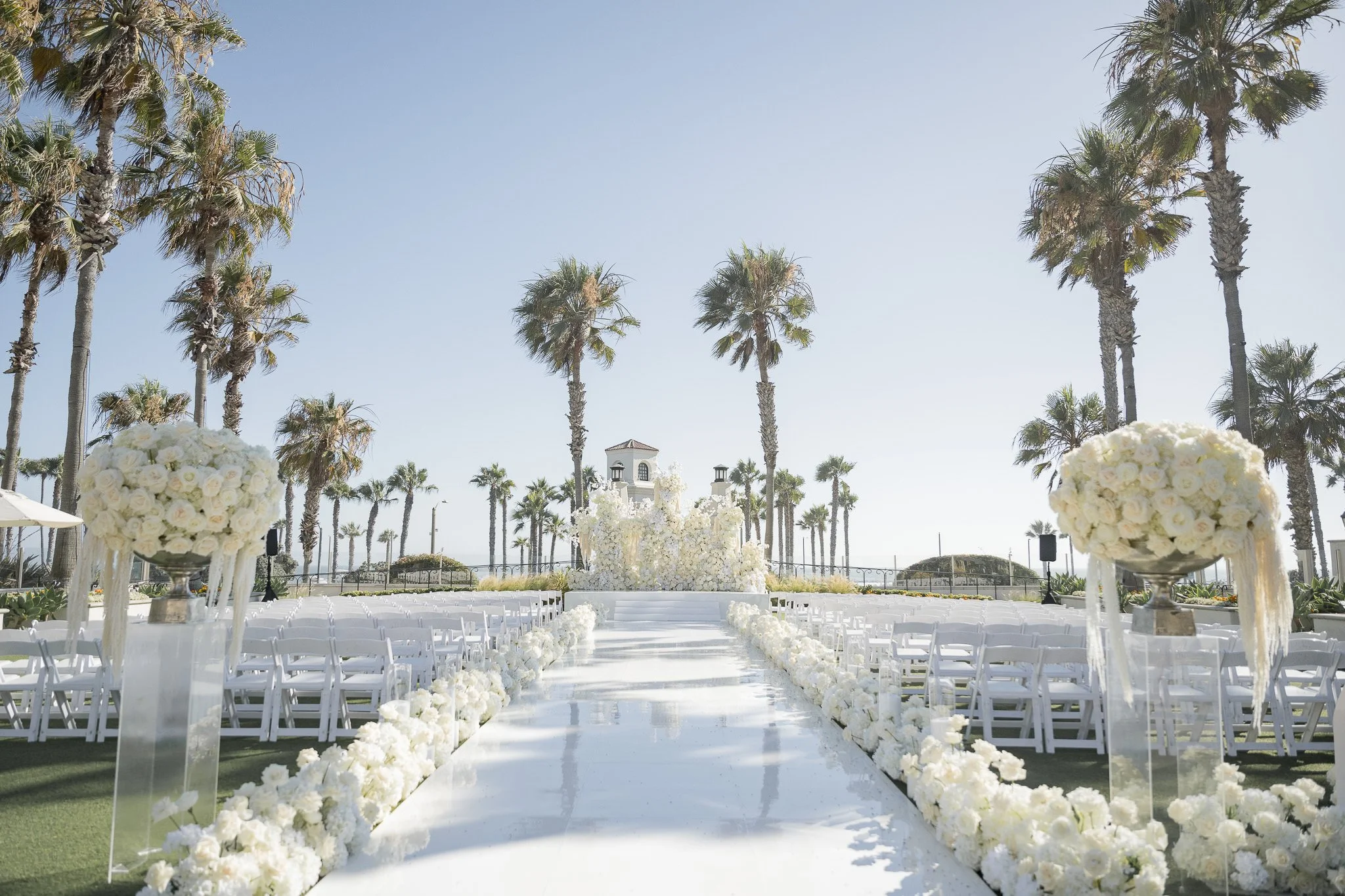
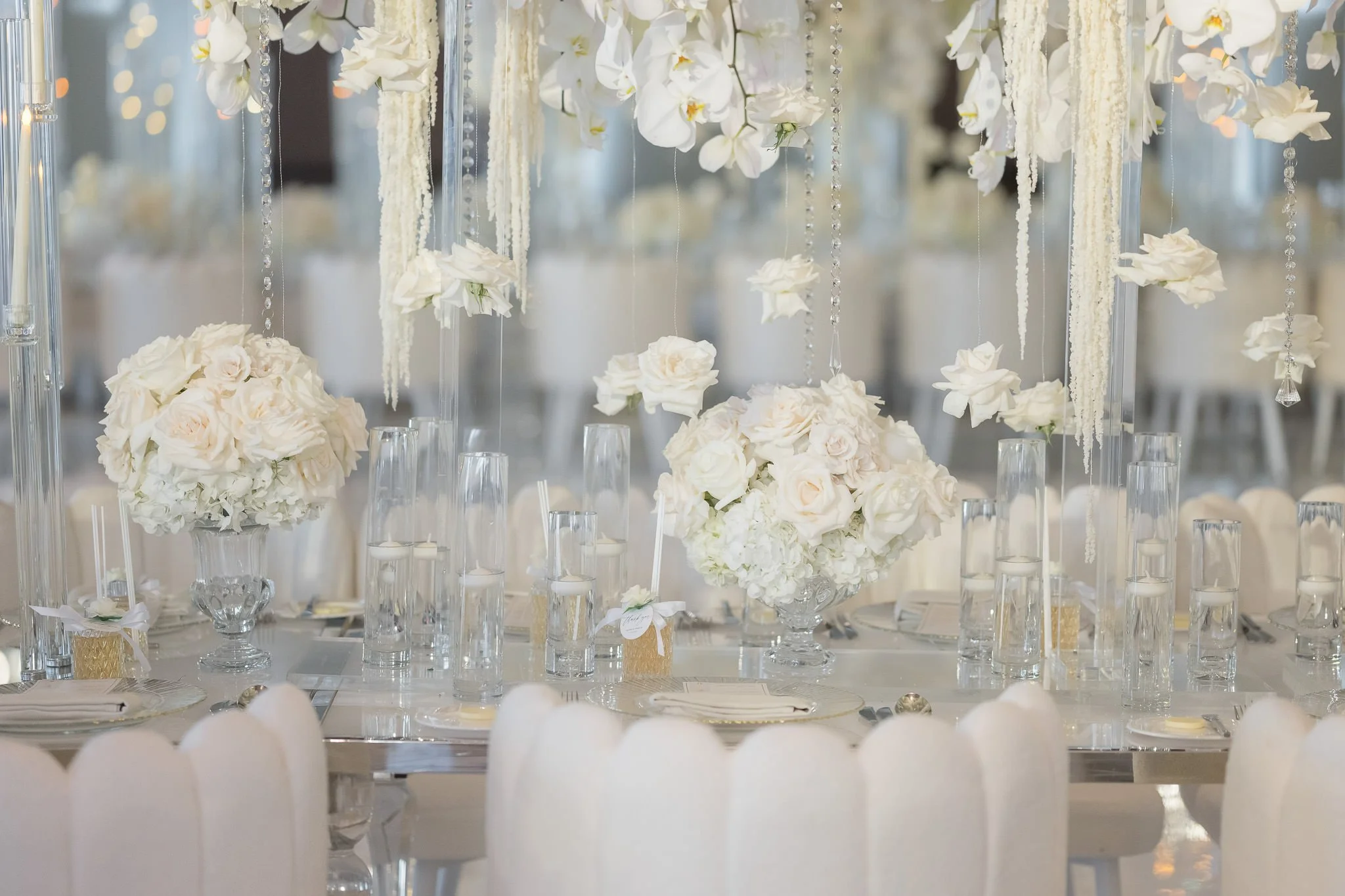
Detail shots—the flowers, table settings, invitations, rings, shoes, venue architecture—tell the complete visual story of your wedding day. But they take time to compose and capture properly.
The Time Constraint Problem
With one photographer:
Detail shots must be rushed between scheduled events
Often captured before or after (empty rooms, different lighting)
Photographer must choose: document details or capture candid guest moments?
Result: Fewer detail shots, or missed candid coverage
With two photographers:
Lead photographer focuses on people, moments, emotions
Second photographer has flexibility for comprehensive detail coverage
Details captured during the actual event (tables during dinner, dance floor during dancing)
No trade-offs between detail photography and moment coverage
What "Detail Coverage" Actually Means
Venue and Space Documentation:
Architecture and design elements that made you choose this venue
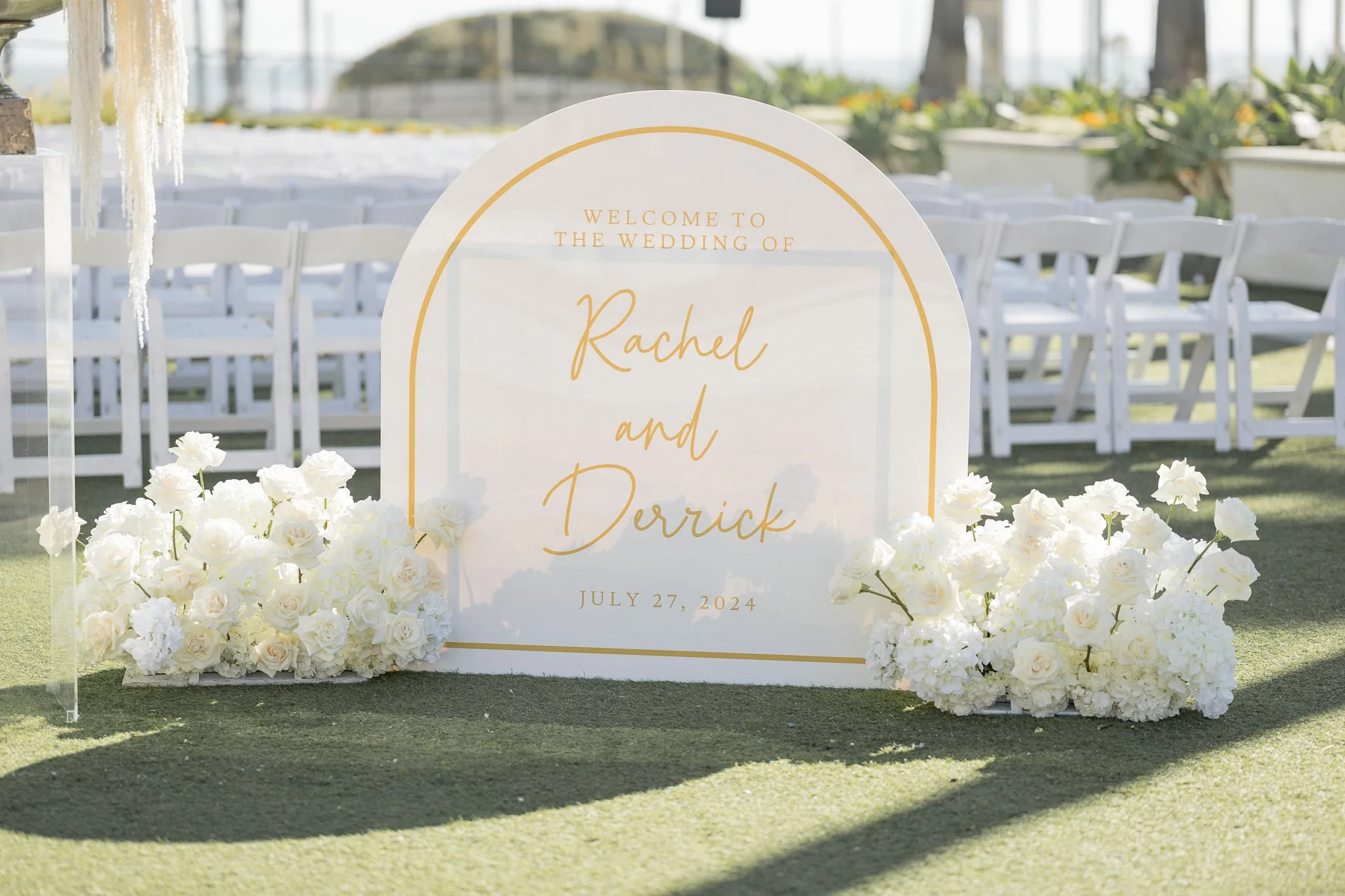
Ceremony space setup (florals, aisle, seating arrangements)
Reception room during the celebration (not just empty setup shots)
Lighting and ambiance as guests experienced it
Outdoor spaces, cocktail areas, lounge setups
Styled Details:
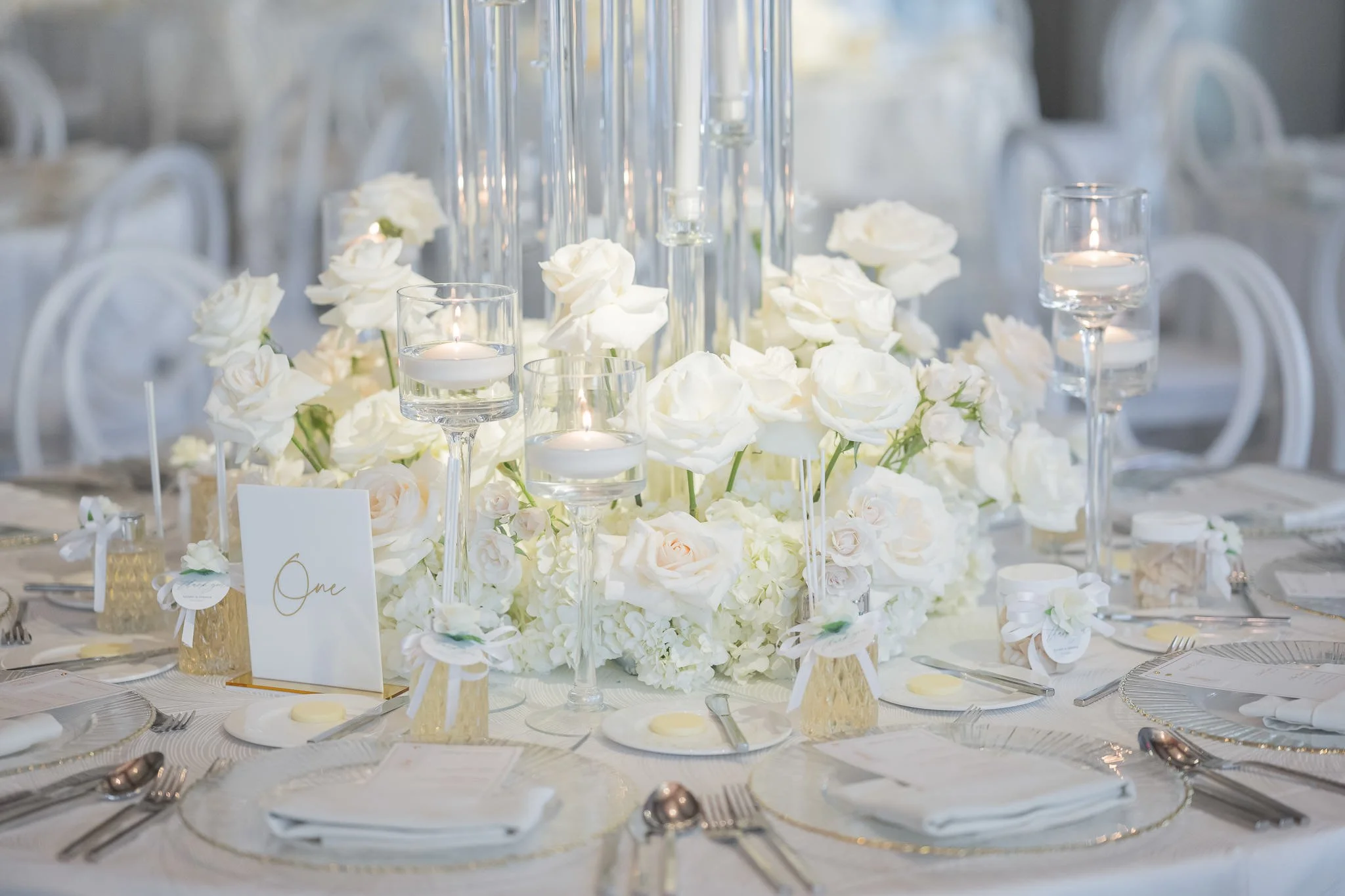
Table settings and centerpieces from multiple angles
Place cards, menus, favors
Cake design and dessert displays
Bar setup and signature cocktails
Guest book, photo displays, signage
Personal Items:
Bride's details: dress, shoes, jewelry, bouquet, accessories
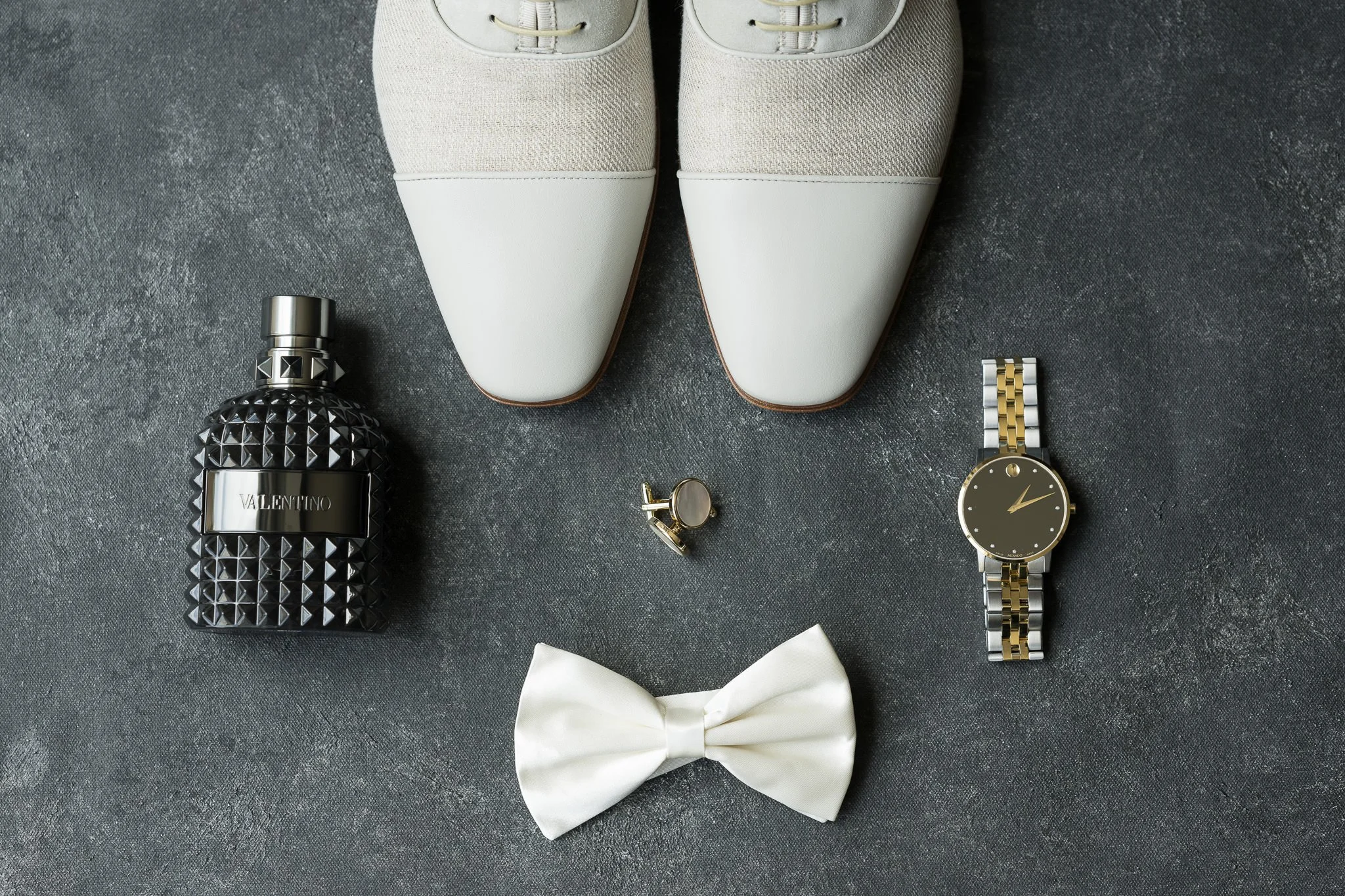
Groom's details: suit, shoes, watch, boutonniere, cufflinks
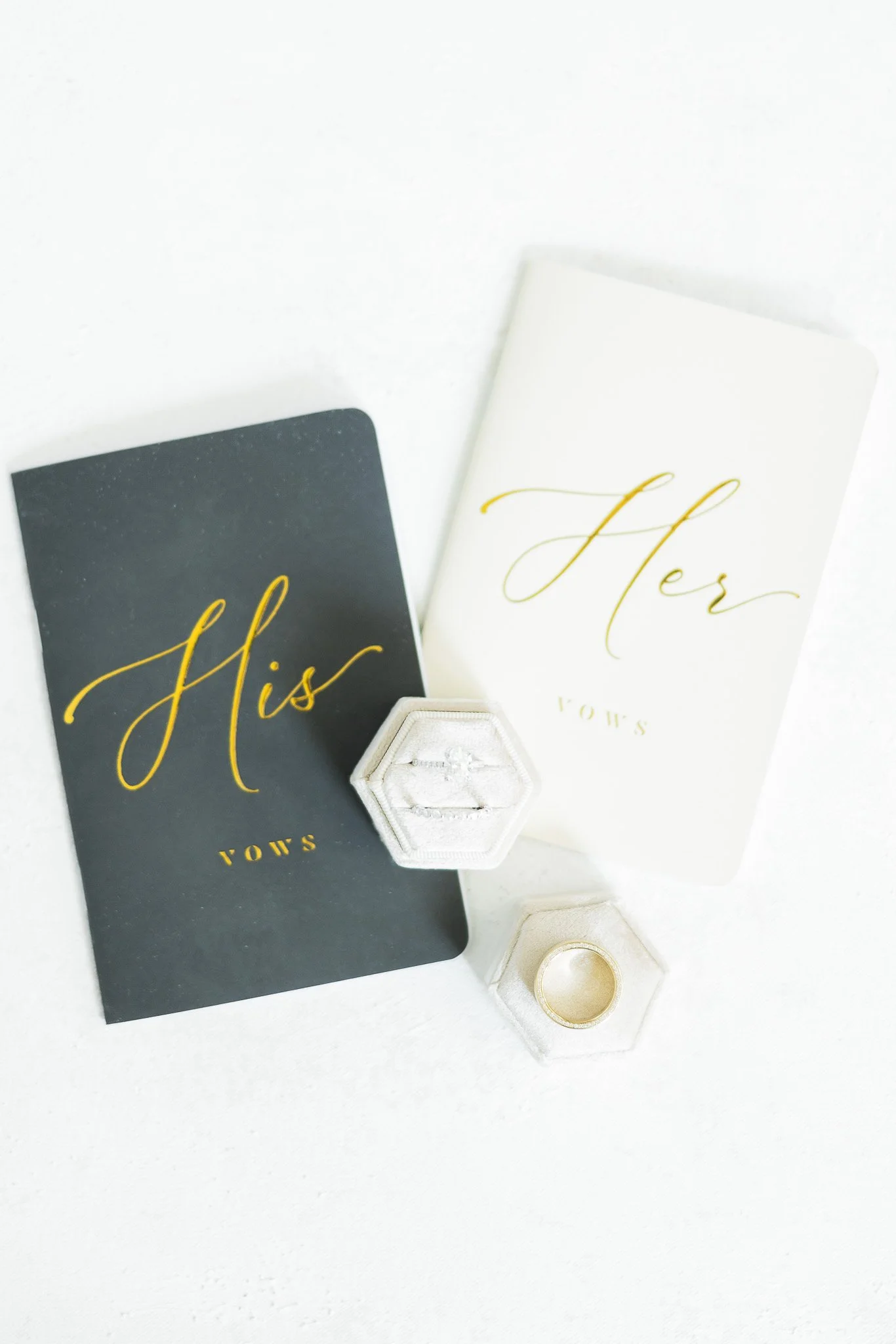
Rings (both engagement ring and wedding bands)
Invitations, programs, vow books
Family heirlooms or meaningful objects
For more on what detail shots to prepare, read our complete guide to bridal details photography.
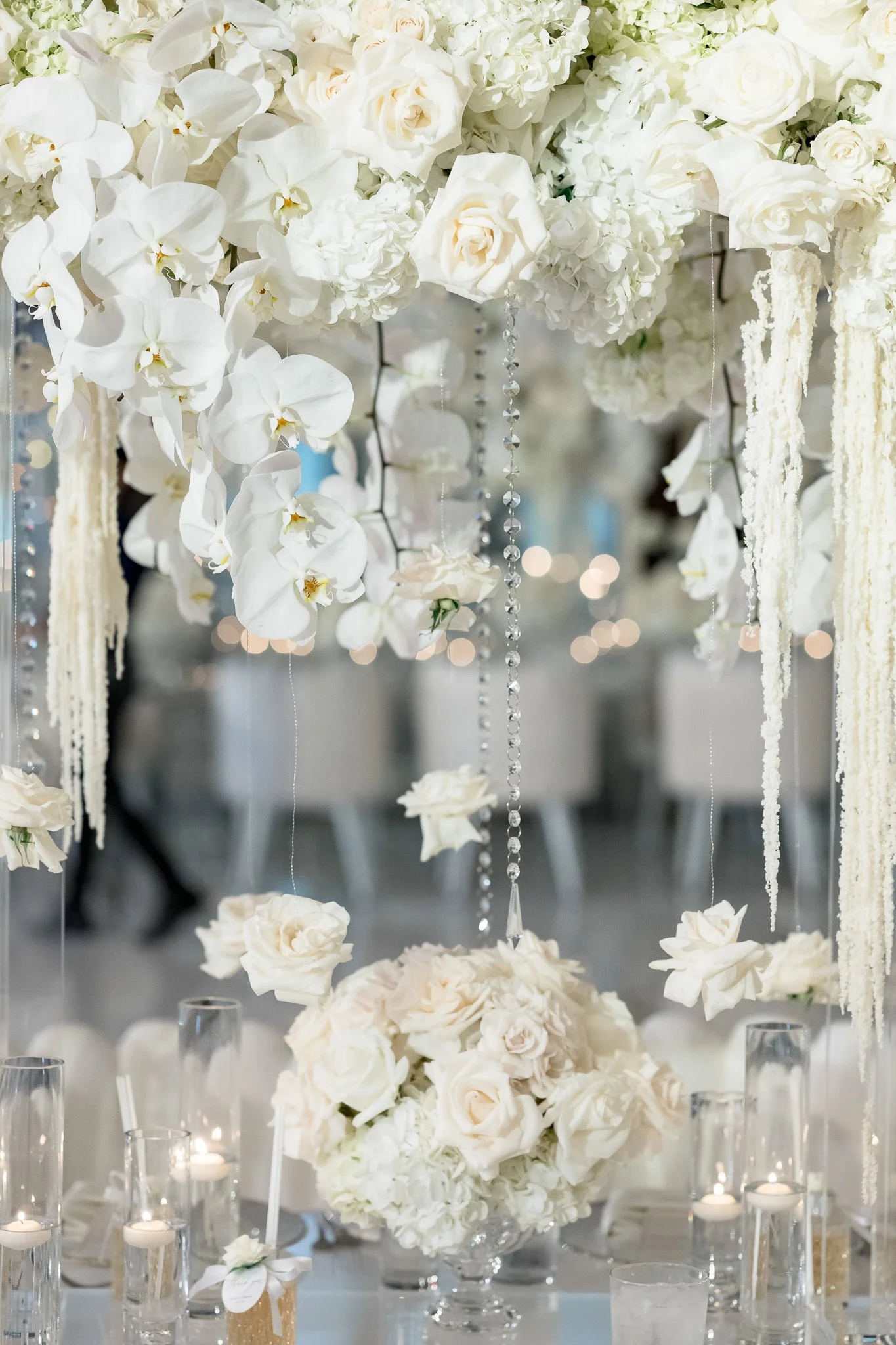
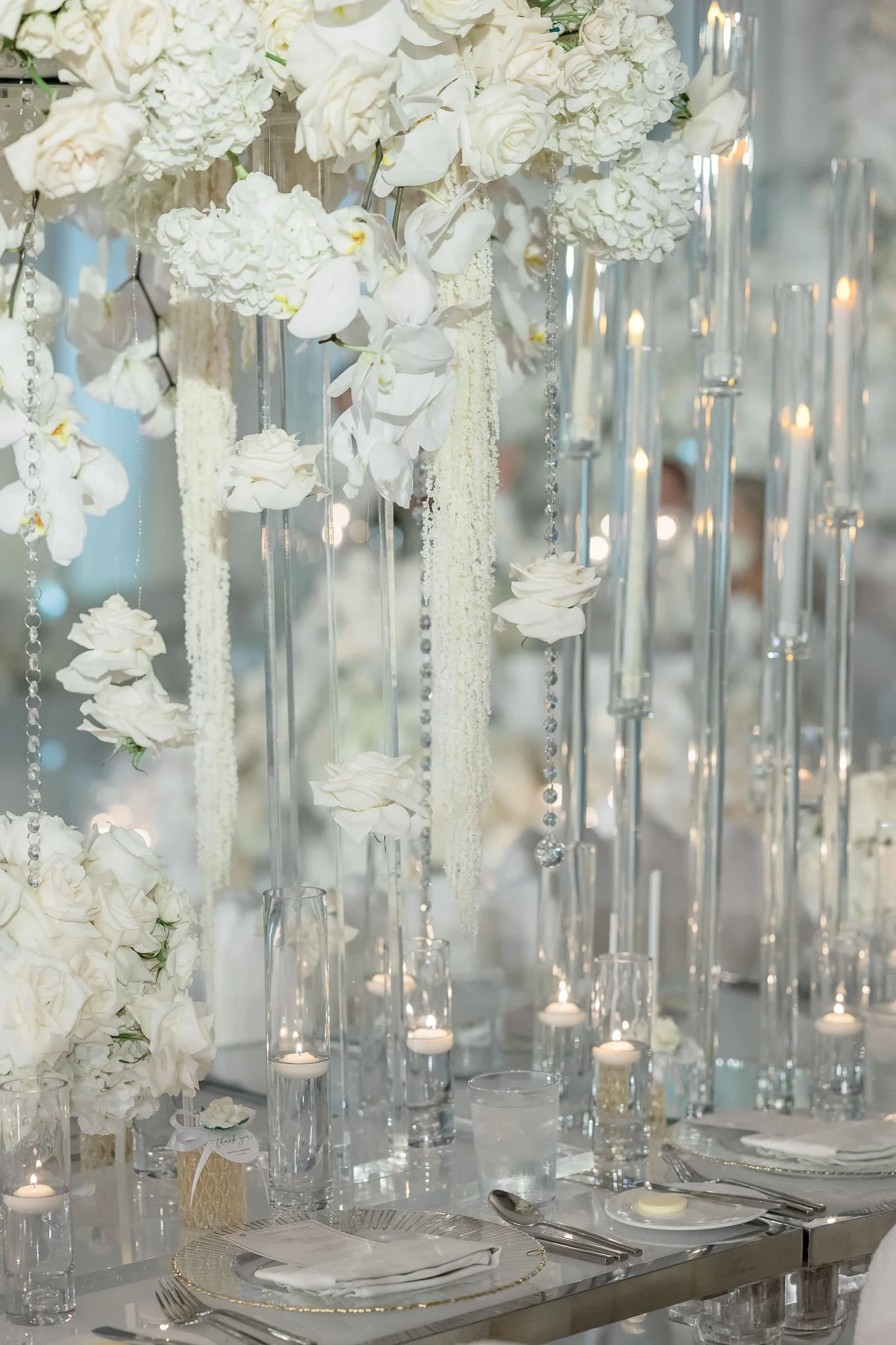
Why this matters: Twenty years from now, you'll want to remember not just the people and moments, but how your wedding looked—the design choices you agonized over, the flowers you carefully selected, the venue that took your breath away.

3. Peace of Mind and Timeline Flexibility
Wedding days rarely go exactly according to plan. Weather changes, family photos run long, traffic delays the timeline, emotional moments extend naturally. A second photographer provides insurance against the unexpected.
Timeline Flexibility
Common scenario: Family photos scheduled for 30 minutes run 45 minutes because:
Extended family wants groupings you didn't plan
Wrangling people takes longer than expected
You're adding combinations on the fly
Everyone wants "just one more"
With one photographer: They're stuck with you during family photos. Reception details, guest arrivals, cocktail hour moments? Not documented.
With two photographers: Second shooter captures cocktail hour, guests mingling, reception space during setup, detail shots—everything happening while you're occupied with family photos.
Coverage Insurance
Equipment backup: Professional photographers carry backup camera bodies and lenses. But a second photographer provides human backup—if one photographer's equipment fails completely, coverage continues uninterrupted.
Moment redundancy: For the most critical moments (ceremony kiss, first dance, cake cutting), having two photographers means two sets of images. If one photographer's timing is off or focus misses, the other photographer captured it.
Comprehensive storytelling: If your single photographer is positioned at the altar during your ceremony entrance, they miss:
Your father's face as he walks you down the aisle
Your mother's reaction watching from her seat
Guest tears and smiles as you pass
The full processional perspective
A second photographer ensures these unrepeatable moments exist in your gallery.
Stress Reduction
For you: Knowing both partners' stories are documented equally, all key moments are covered from multiple angles, and nothing important will be missed allows you to relax and be present. Learn more about how to collaborate with your photographer for elevated results.
For your photographer: They can focus on capturing beautiful images rather than racing between locations, worrying about missing moments, or making impossible choices about what to skip.
When You Actually Need a Second Photographer
Not every wedding requires dual coverage, but most benefit significantly from it. Here's how to decide:
You DEFINITELY Need a Second Photographer If:
Guest count over 100 - More people = more moments happening simultaneously
Getting ready in separate locations - Bride and groom preparing in different buildings/venues
Ceremony and reception in different locations - Allows one photographer to scout/prepare next location (learn about venue-specific photography considerations)
Large wedding party (6+ attendants per side) - More people to document, more group dynamics
Multiple ceremony/reception spaces - Outdoor ceremony + indoor reception, multiple room celebrations
Detail-heavy wedding - Extensive floral design, elaborate décor, significant venue styling
Cultural or religious ceremonies with extended rituals - Indian weddings, Jewish ceremonies, Catholic mass
Multi-generational family - Extended family you want documented, family traveling from far away
You PROBABLY Need a Second Photographer If:
Guest count 75-100 - Approaching the threshold where one photographer feels stretched
Significant time between ceremony and reception - Allows second photographer to capture venue transitions
Important first look planned - Ensures both partners' reactions are fully captured
Extensive family photos (large families, divorced parents, complex groupings)
You want comprehensive guest coverage - Documenting who attended, not just scheduled events
You Might Be Fine with One Photographer If:
Guest count under 50 - Intimate weddings with limited simultaneous activity
Elopement or micro-wedding - Small scale means less coverage needs
Getting ready together - Both partners in same location
Single venue with adjacent spaces - Photographer can move quickly between areas
Minimal detail coverage desired - You're prioritizing people over décor
Budget is extremely tight - Though we'd argue this is worth prioritizing
How Lead and Second Photographers Work Together
Understanding the dynamic helps you appreciate what you're getting.
Role Definition
Lead Photographer (Primary):
Directs the overall shot list and timeline
Captures the couple during scheduled events
Positions for the most critical moments (ceremony entrance, first kiss, etc.)
Works directly with the couple for posed portraits
Makes real-time decisions about positioning and priorities
Second Photographer:
Complements the lead's coverage from different angles
Captures the secondary subject (if lead is on bride, second is on groom)
Focuses more on candid guest moments and ambient celebration
Handles detail shots during key events
Provides flexibility to split coverage when needed
The team approach: They communicate throughout the day—verbally and through hand signals—to ensure comprehensive coverage without getting in each other's way.
Division of Labor: Real Examples
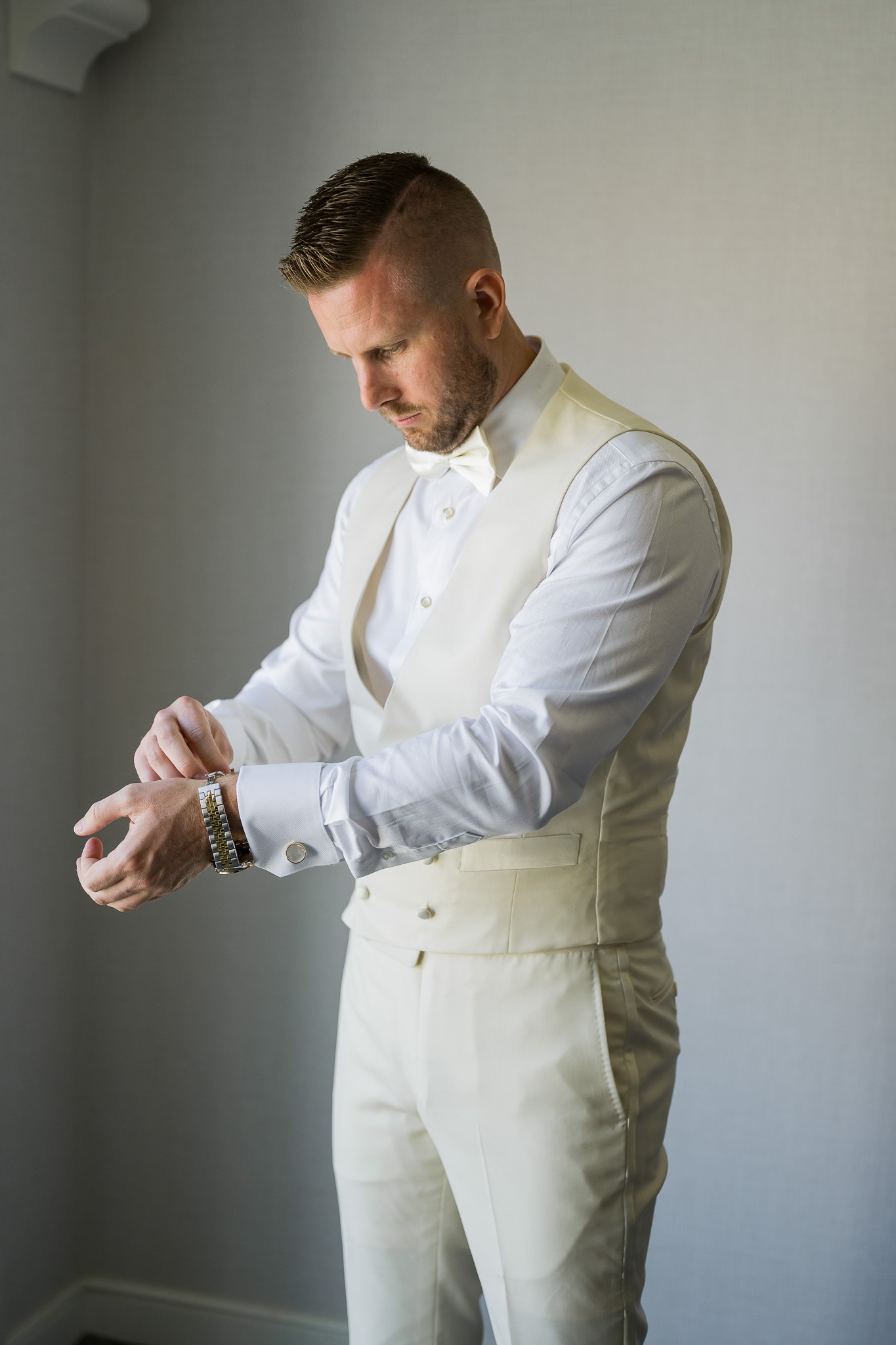
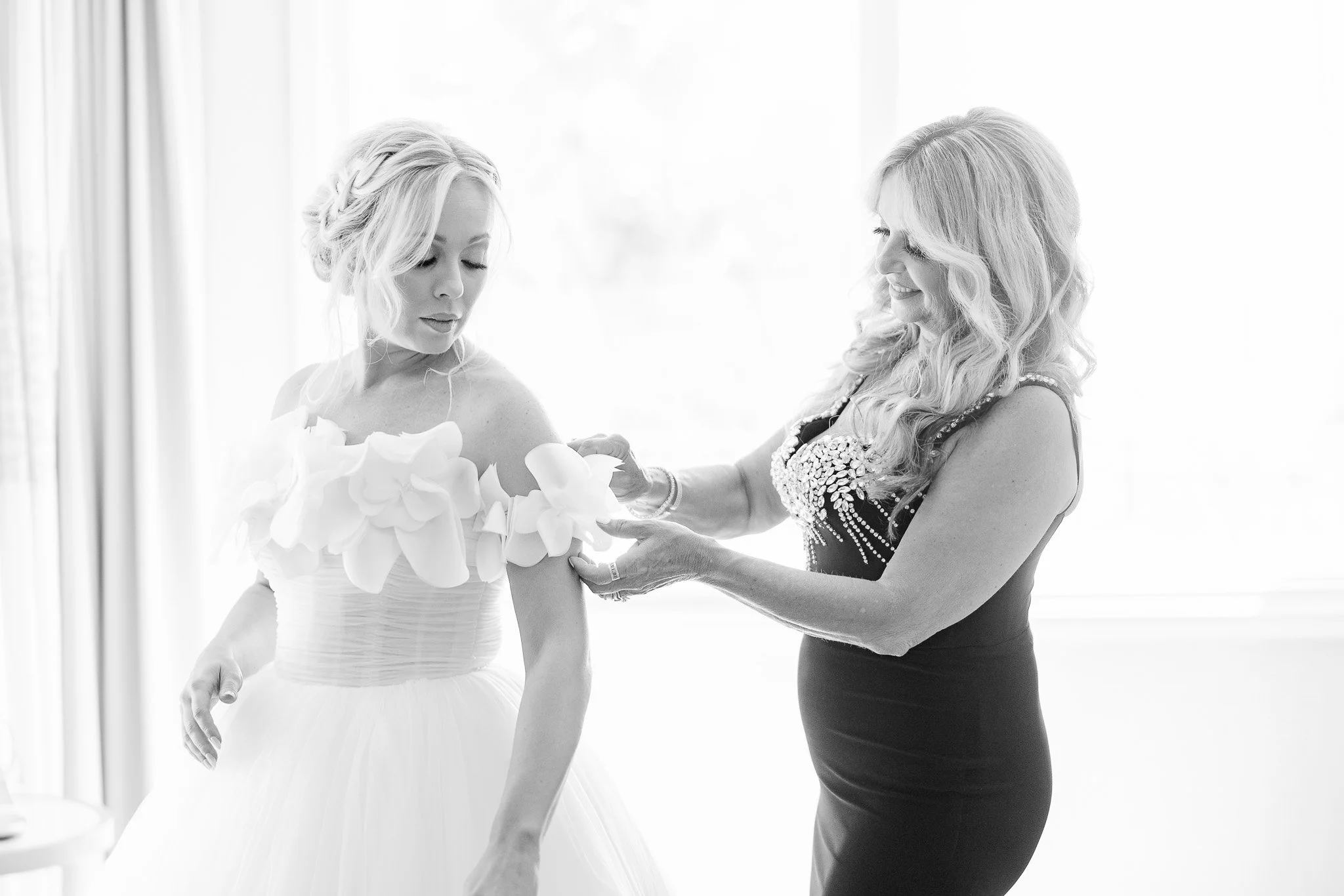
During getting ready:
Lead: Bride's suite (detail shots, dress, hair/makeup, family moments)
Second: Groom's suite (parallel coverage ensuring equal documentation)
During first look:
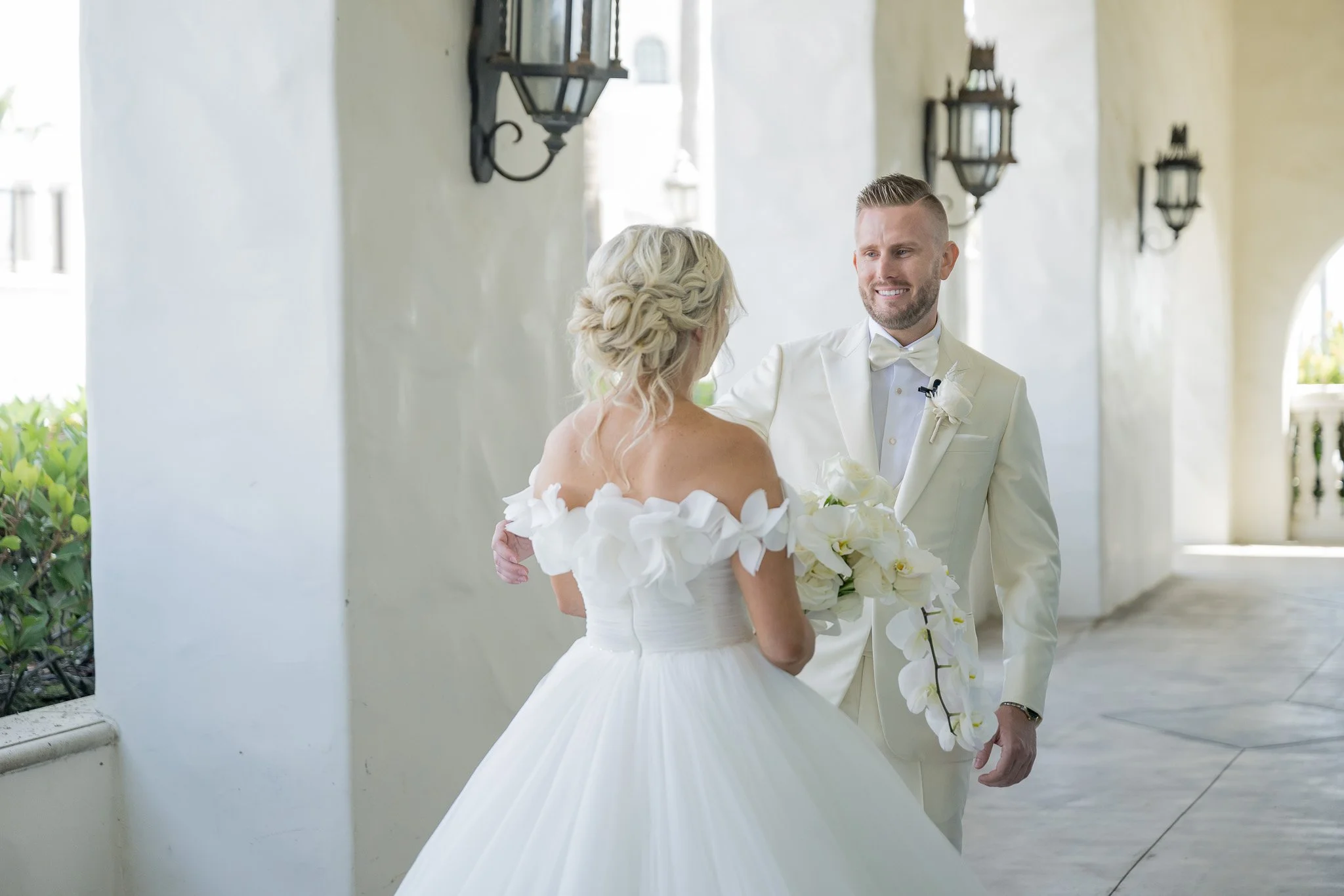
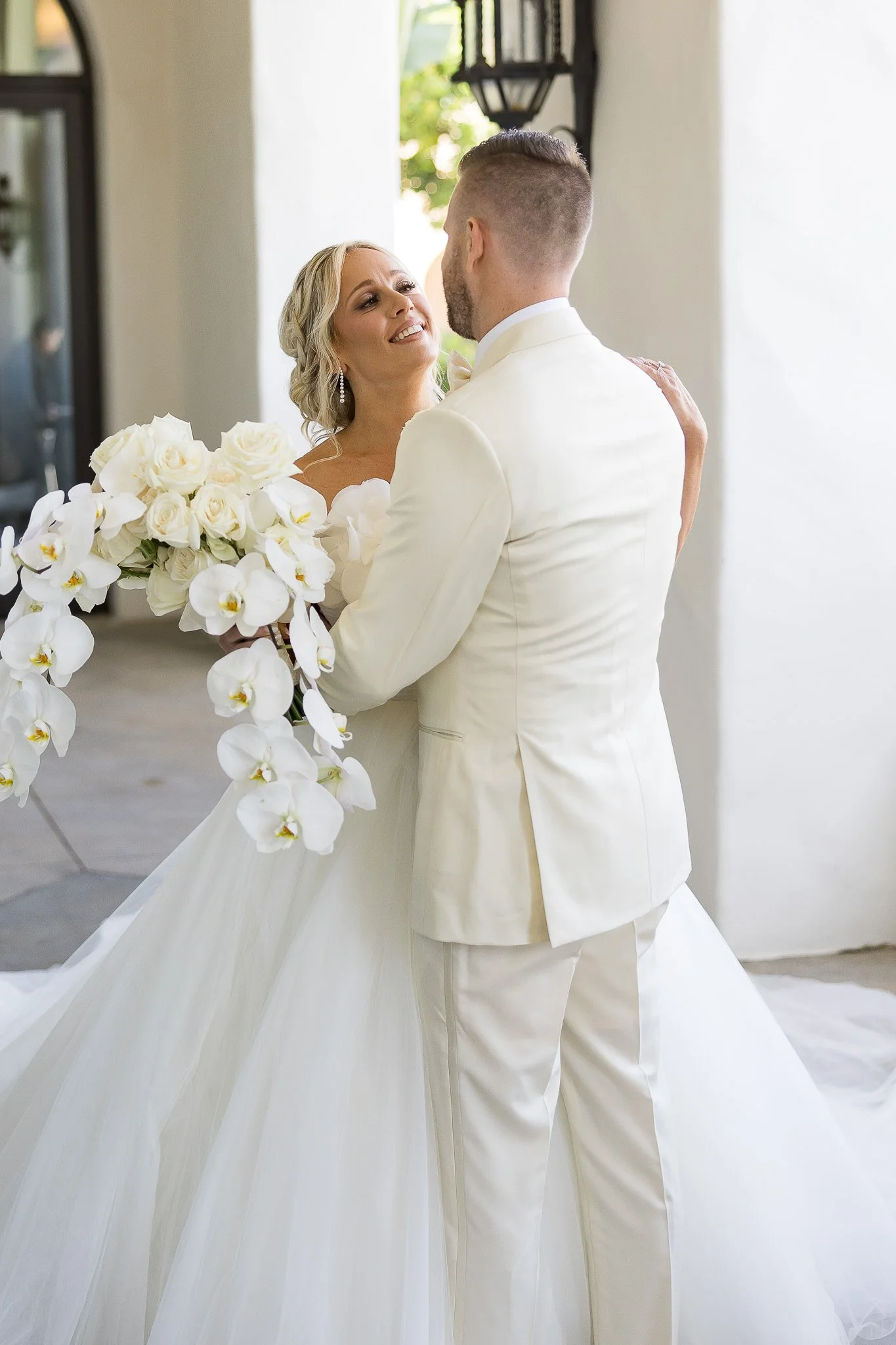
Lead: Partner seeing bride (frontal reaction shot)
Second: Bride's face (her reaction to their reaction), wide environmental shots
During ceremony:
Lead: Positioned at altar (couple close-ups, vows, ring exchange)
Second: Positioned at back/side (processional, guest reactions, wide perspectives)
During cocktail hour (while couple does portraits):
Lead: Couple portraits with wedding party and family
Second: Guest interactions, cocktail hour candids, reception detail shots
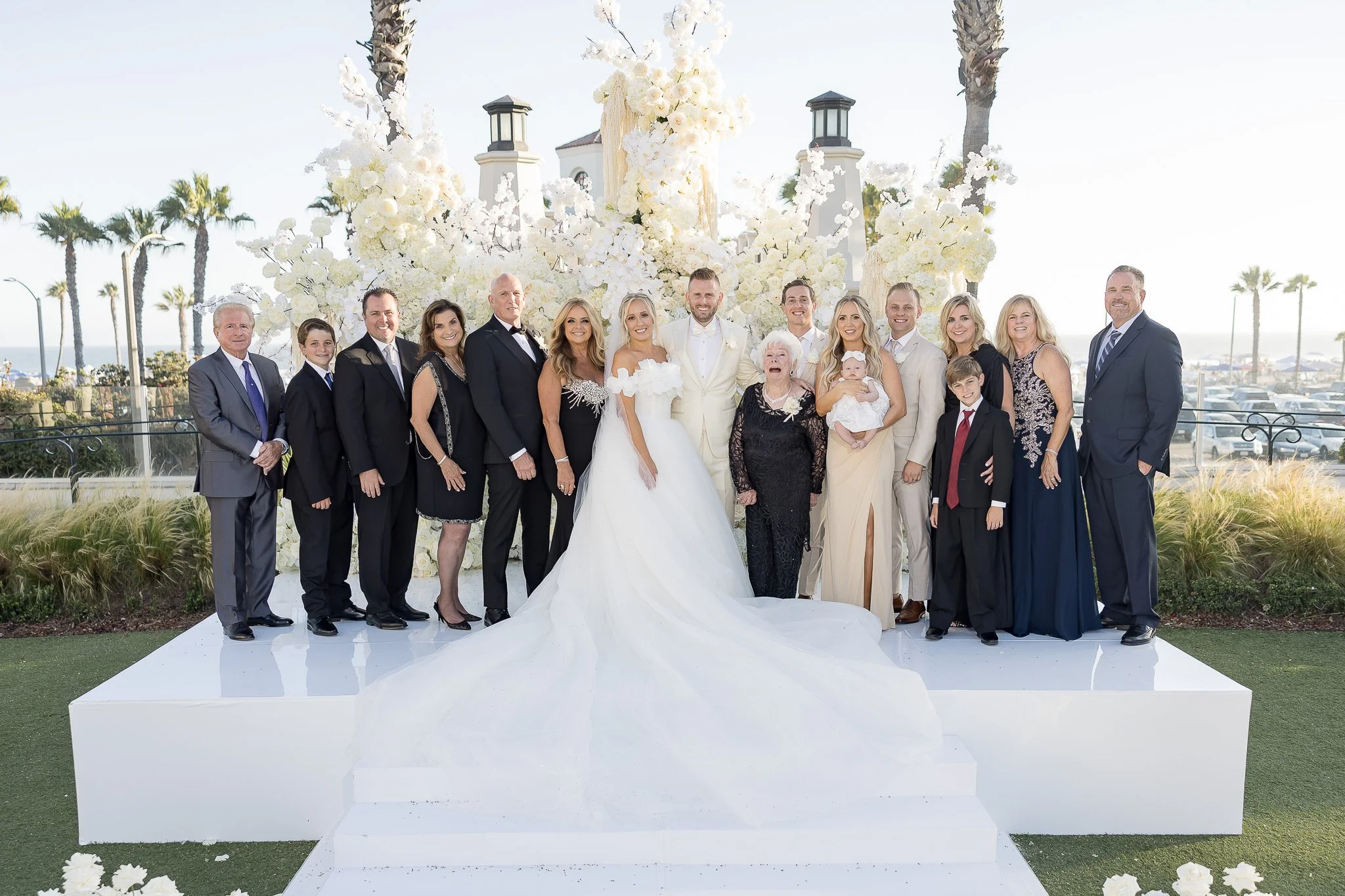
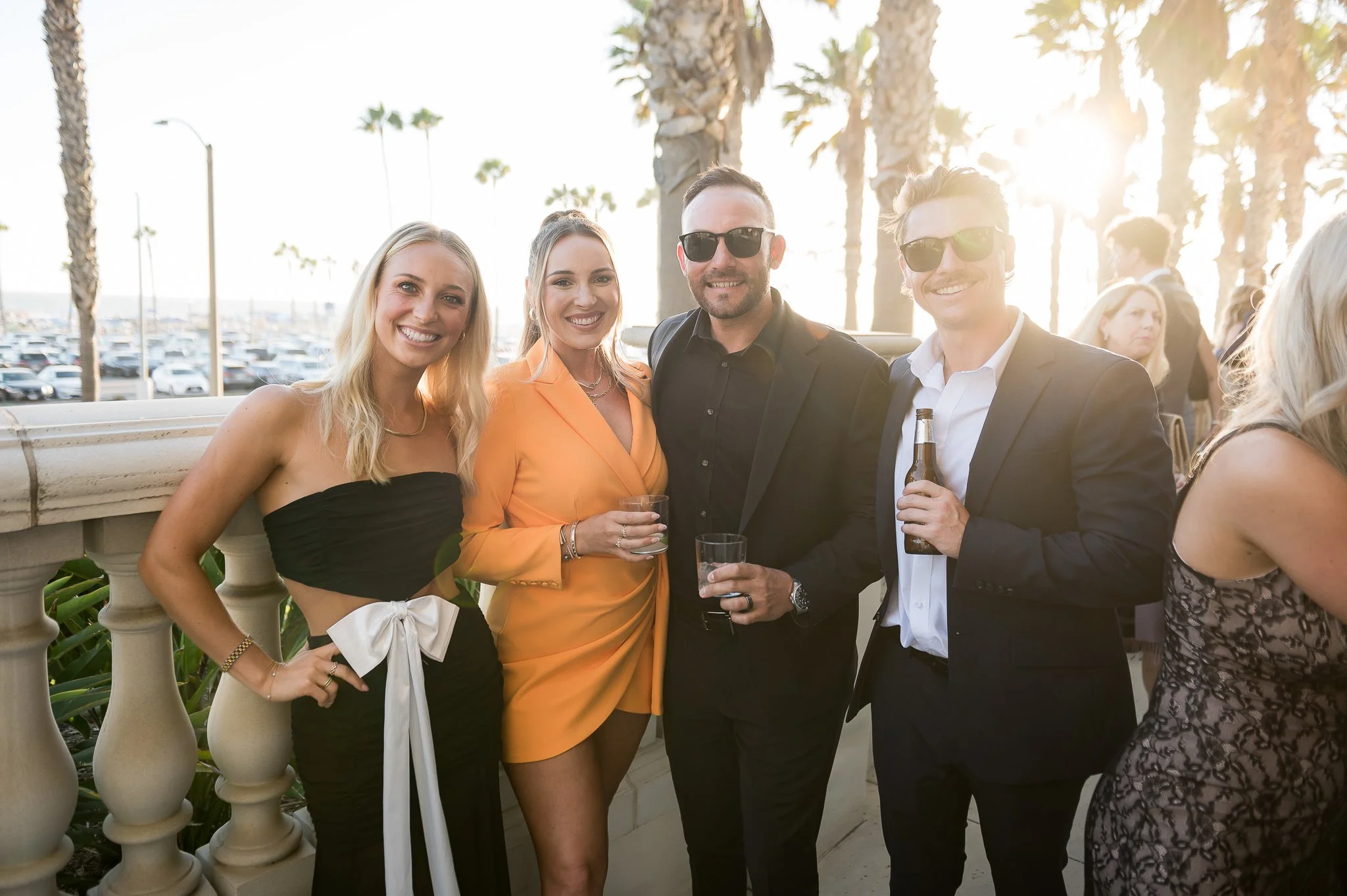
During reception:
Lead: Scheduled events (toasts, cake cutting, first dance)
Second: Candid guest moments, dance floor from alternate angles, ambient celebration
What Your Gallery Looks Like: The Difference
Let's compare actual coverage differences.
Single Photographer Gallery
Approximate image breakdown (500-600 photos):
Getting ready: 80-100 images (one location only)
Ceremony: 100-120 images (single perspective)
Couple/family portraits: 80-100 images
Reception: 200-250 images (focused on scheduled events)
Details: 40-50 images (rushed between events)
What you'll notice:
One partner's getting-ready story is significantly more documented
Ceremony coverage is beautiful but limited to one perspective
Guest coverage is minimal (focused on your scheduled activities)
Detail shots feel rushed or sparse
Two-Photographer Gallery
Approximate image breakdown (700-900 photos):
Getting ready: 140-180 images (both locations comprehensively covered)
Ceremony: 150-200 images (multiple perspectives, reactions, wide shots)
Couple/family portraits: 100-120 images (similar to single photographer)
Reception: 250-350 images (scheduled events PLUS candid guest coverage)
Details: 80-120 images (thorough documentation without rushing)
What you'll notice:
Both partners' stories documented equally
Ceremony feels comprehensive (you see yourself AND reactions to you)
Guest coverage is robust (you see who was there and how they celebrated)
Detail shots are thoughtful and complete
The intangible difference: The gallery feels like a complete story rather than highlights from one perspective.
Common Questions About Second Photographers
Will two photographers get in each other's way?
No. Professional photographers are trained to work as a team, coordinating positions and angles to complement rather than duplicate coverage. They communicate throughout the day to ensure they're never competing for the same shot.
Do I need to feed both photographers?
Yes, if you're providing vendor meals. Both photographers are working your entire wedding day and need to eat. Most couples include them in vendor meal count.
Can my second photographer be a friend with a nice camera?
We strongly advise against this. Your friend will enjoy your wedding more as a guest, and professional second photographers have the experience to complement your lead photographer's style and work seamlessly as a team. Amateur "second shooters" often create more stress than value.
Will I get photos from both photographers separately?
No. Your lead photographer curates and edits all images (from both cameras) into one cohesive gallery. You receive a unified collection, not two separate galleries with different editing styles.
What if I have a small wedding—do I still need a second photographer?
For weddings under 50 guests where you're getting ready together in the same space, a second photographer is less critical. But for any wedding over 75 guests or with separate getting-ready locations, the value is significant.
Is a second photographer the same as an assistant?
No. Assistants help with equipment, lighting, and logistics but generally don't deliver images to the client. Second photographers are experienced professionals who actively shoot and contribute images to your final gallery.
Making the Decision: Is It Worth It?
Here's how to think through whether adding a second photographer makes sense for your wedding.
Calculate Your Coverage Needs
Ask yourself:
Do we care about both partners' getting-ready stories being documented equally?
Are we having more than 75 guests?
Do we want comprehensive guest coverage (who attended, how they celebrated)?
Did we invest significantly in venue, florals, or décor we want thoroughly documented?
Are we having ceremony and reception in different locations?
Do we have extended family or multiple generations we want captured?
If you answered "yes" to 3 or more: A second photographer is worth the investment.
For detailed information about wedding photography pricing and packages, read our complete Orange County wedding photography cost guide.
The Long-Term Perspective
In our 300+ weddings of experience, we've had:
Zero couples regret having a second photographer
Dozens of couples express regret for NOT having one
The most common post-wedding regret? "I wish we had more coverage of [my husband/my wife] getting ready and their side of the story."
You can't go back and re-shoot missing moments. But you'll look at your wedding photos for the next 50+ years. Understanding when to schedule key moments for the best light and having comprehensive coverage ensures nothing important is lost.
At One Story Weddings: Our Approach
What's Included
Most of our wedding photography packages include a second photographer because we believe comprehensive coverage is essential, not optional. Our second photographers aren't assistants—they're experienced professionals who've shot 100+ weddings and understand how to complement our lead photographer's style.
Our team coordination:
Pre-wedding consultation where we discuss coverage priorities
Strategic planning for getting-ready logistics
Coordinated positioning during ceremony for comprehensive angles
Seamless collaboration during family photos and portraits
Unified editing style across all images
What you receive:
40% more images than single-photographer coverage
Both partners' stories documented equally
Comprehensive guest coverage throughout the day
Thorough detail documentation
Peace of mind that nothing important was missed
Our Philosophy
We don't believe you should have to choose what moments to miss. Wedding days are filled with unrepeatable moments happening simultaneously, and our job is to document your complete story—not just one perspective.
Second photographer coverage isn't about quantity for the sake of it. It's about comprehensive storytelling that ensures nothing important is lost.
Ready to Discuss Your Wedding Photography?
If you're planning an Orange County wedding and want photography that captures your complete story from every perspective, let's talk about your coverage needs.
Learn more:
Questions about second photographer coverage? Contact us—we're here to help you make the right decision for your wedding.
Ready to Talk About your Orange County Wedding?
See More From our Planning Guides
See Recent Weddings
Learn more about our Southern California Wedding Photography Services
Orange County Wedding Photographer | Los Angeles Wedding Photographer | San Diego Wedding Photographer | Santa Barbara Wedding Photographer
Serving Orange County, Los Angeles, San Diego, and Southern California with wedding photography that documents your complete story, not just one perspective.