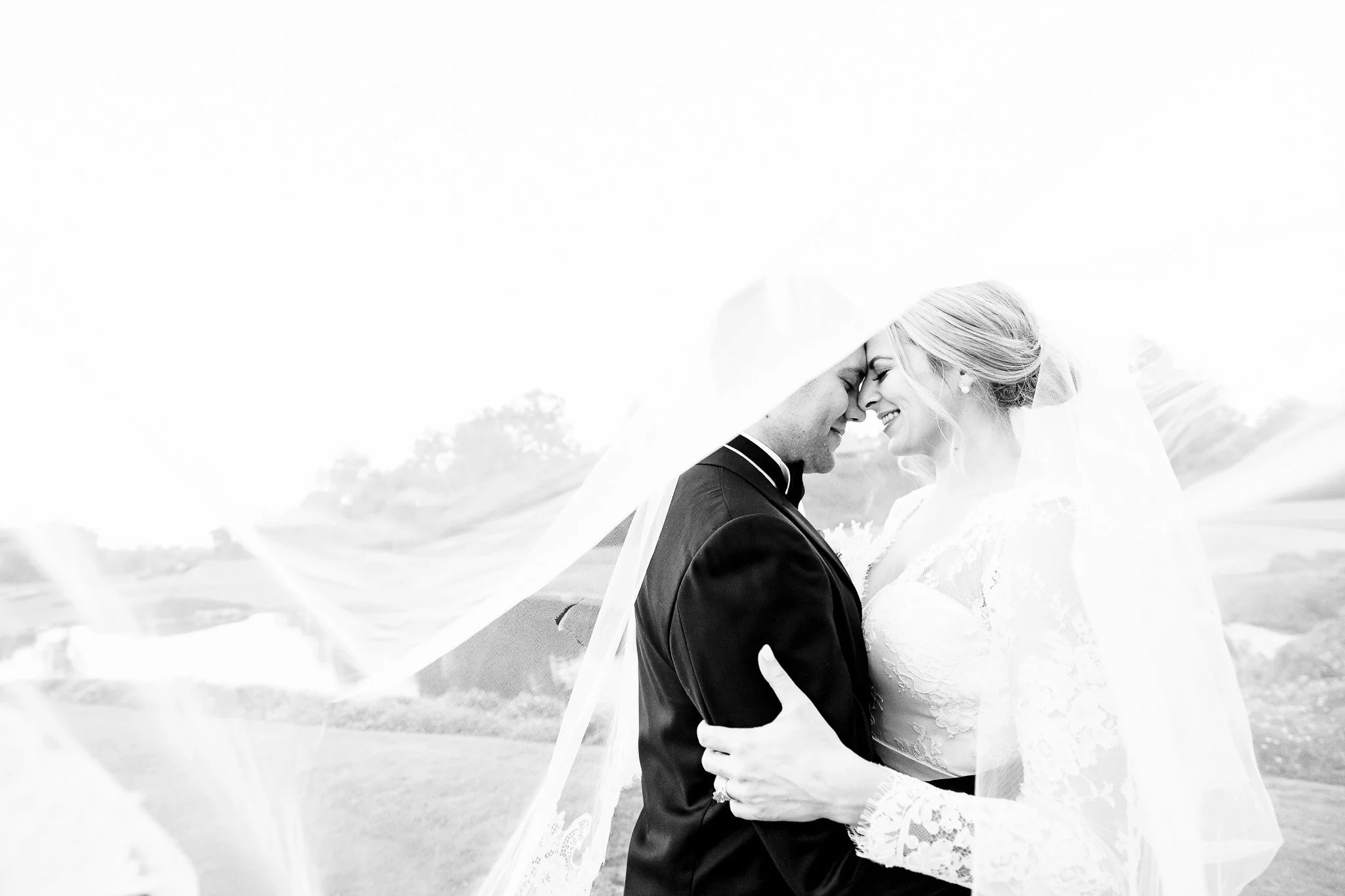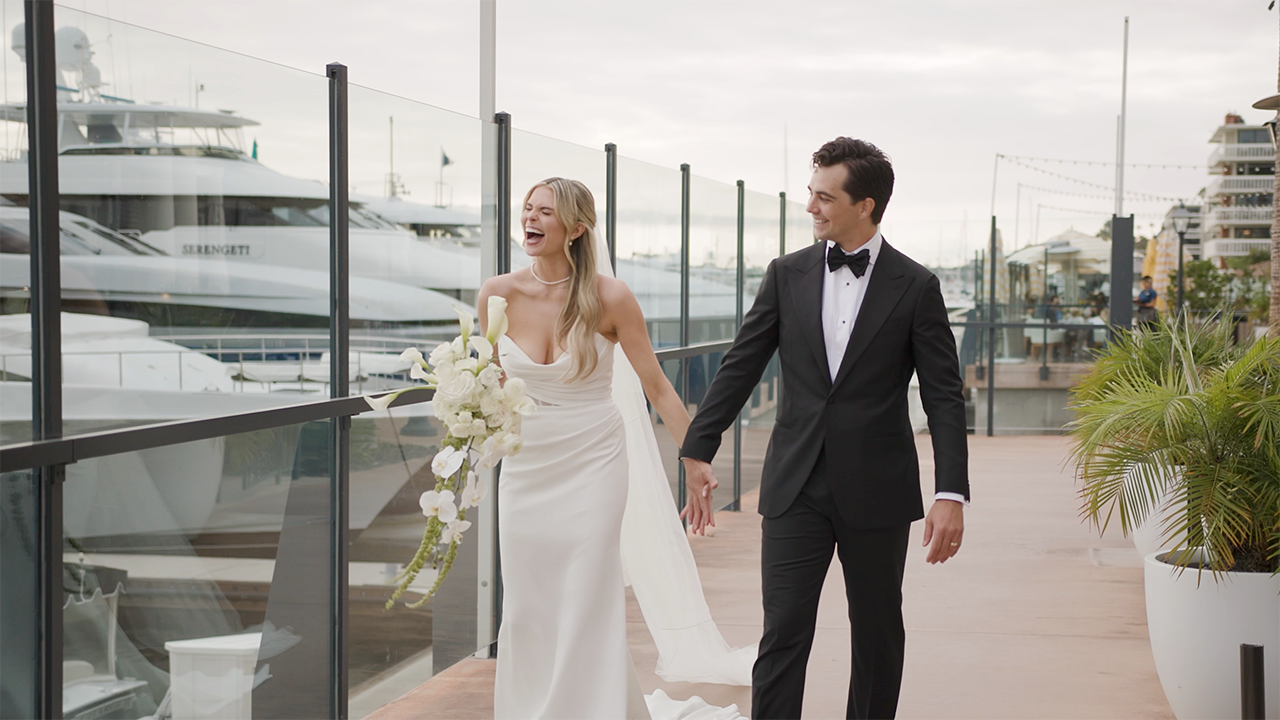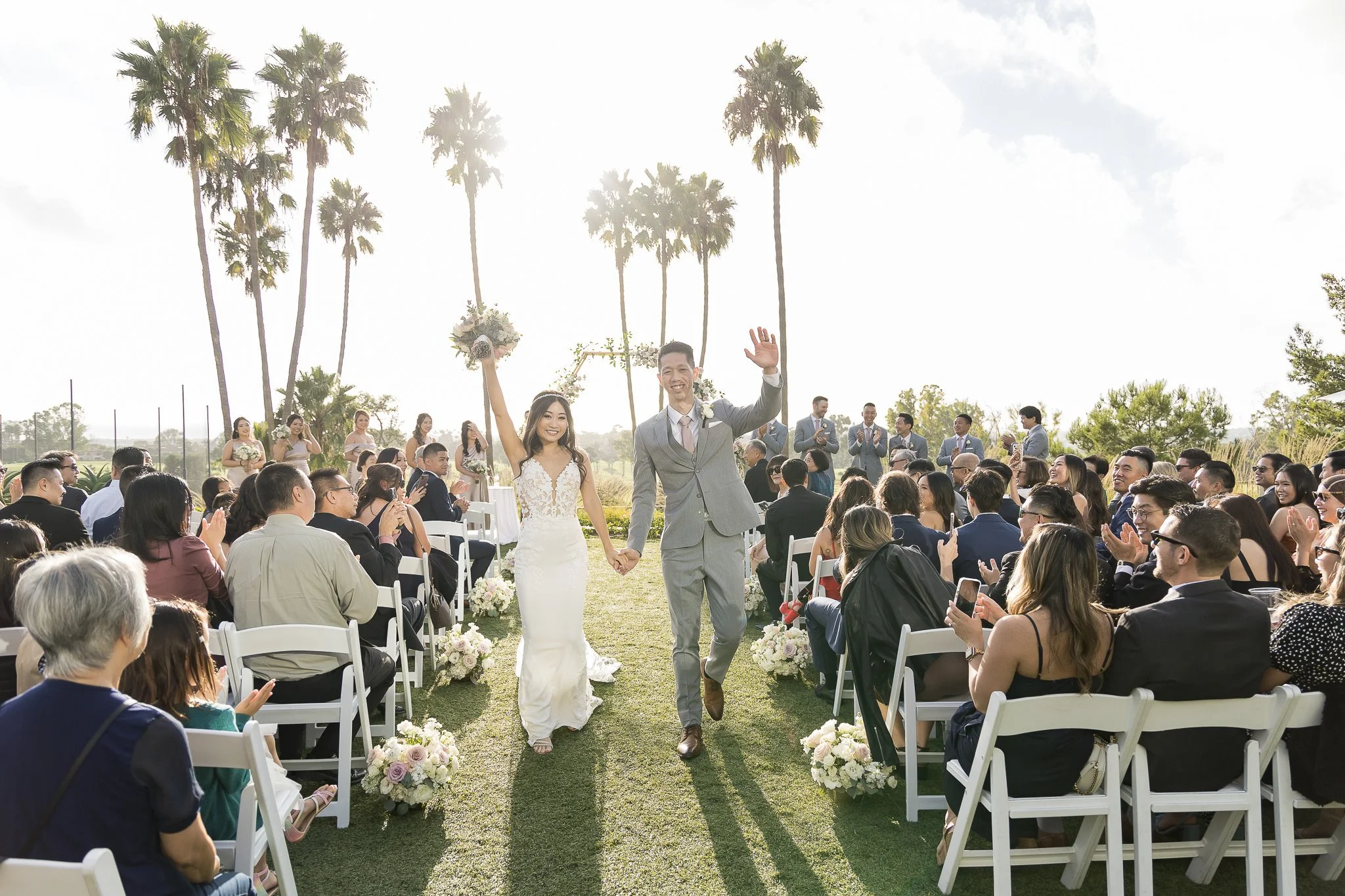
The Myth of the "Pure Candid": Why Great Wedding Photos Require Invisible Direction
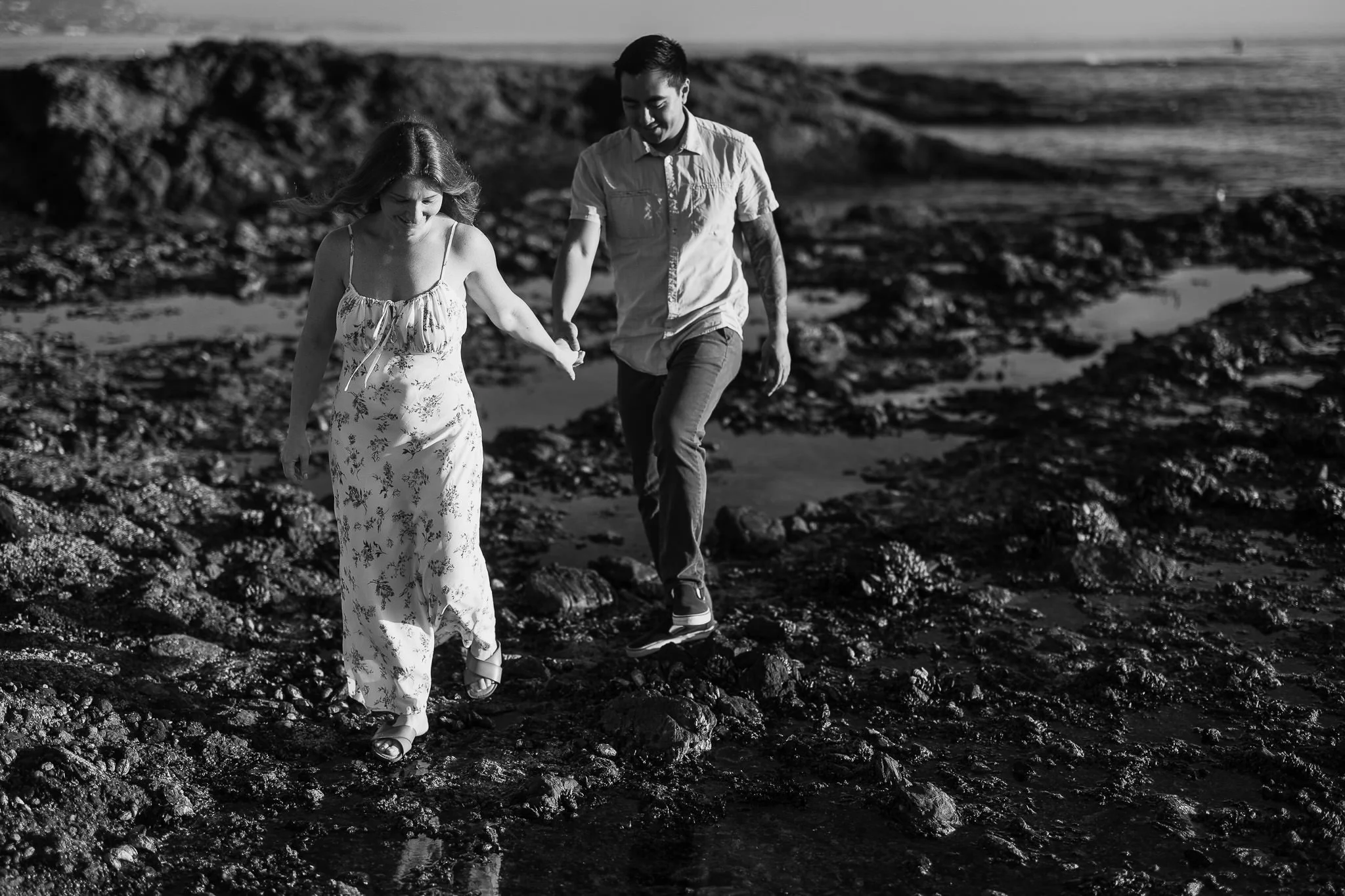
There is a recurring paradox in modern wedding photography, and it comes up in nearly every consultation.
Couples say they want candid photos. Natural, unposed, documentary-style images where nothing feels staged. They want their wedding gallery to feel real — like it happened, not like it was performed.
At the same time, they arrive with an inspiration folder full of perfectly timed, beautifully lit, emotionally resonant images. Cinematic frames. Effortless connection. Exactly the kind of photos that look like they could have been posed or set up.
The hard truth? Almost none of those photos happened by accident.
Behind almost every "effortless" candid image is something most couples never see: invisible direction. It's choreography disguised as spontaneity. A master plan underneath what looks like a documentary moment. And understanding how it works will completely change what you look for in a wedding photographer.
Why "Purely Candid" Photography Rarely Works
The idea of candid photography sounds simple: point the camera, stay out of the way, catch whatever unfolds. No interference. No direction. Just real life.
In practice, real wedding days actively work against this approach.
Weddings move fast. Light changes constantly. Timelines are tight. And most couples — even naturally spontaneous, expressive people — don't behave like themselves on their wedding day. The pressure is real. The overwhelm is real. The nerves are real.
Consider what's actually happening during your wedding day:
The Nerve Factor. Most couples aren't professional models. Even people who are naturally warm and expressive in everyday life can freeze in front of a camera, especially when they're also managing a hundred other things. Without a photographer who knows how to ease that tension, photos end up looking stiff rather than spontaneous — which is the opposite of what everyone wanted. Direction bridges the gap between how a couple actually feels in front of a camera and the vibrant, emotionally real imagery they're hoping for.
The Time Crunch. Light doesn't wait. Golden hour lasts twenty minutes. Portrait time between ceremony and reception is often less than an hour — and you're competing against cocktail hour, family time, and your own desire to actually enjoy your guests. When building your wedding timeline, this window is precious. A photographer who relies entirely on waiting for moments to organically appear will spend that time hoping — and hoping isn't a strategy.
Guiding a moment isn't staging it. It's knowing when to gently step in, when to give space, and when to shape the chaos just enough so the story can be seen clearly.
The difference between average candid photography and genuinely great storytelling is almost always the presence of intentional, invisible guidance.
Invisible Direction: The Secret Behind Effortless Images
Invisible direction isn't a trick or a shortcut. It's a craft — and like most craft, it's designed to disappear completely once it's working.
The goal isn't to control the moment. It's to create the conditions where real emotion has the best possible chance to surface naturally. Think of it as documentary photography with a master plan — the structure is invisible, but it's always there.
There are three core elements.
1. Scene FRAMING: Setting the Stage Without Forcing the Moment
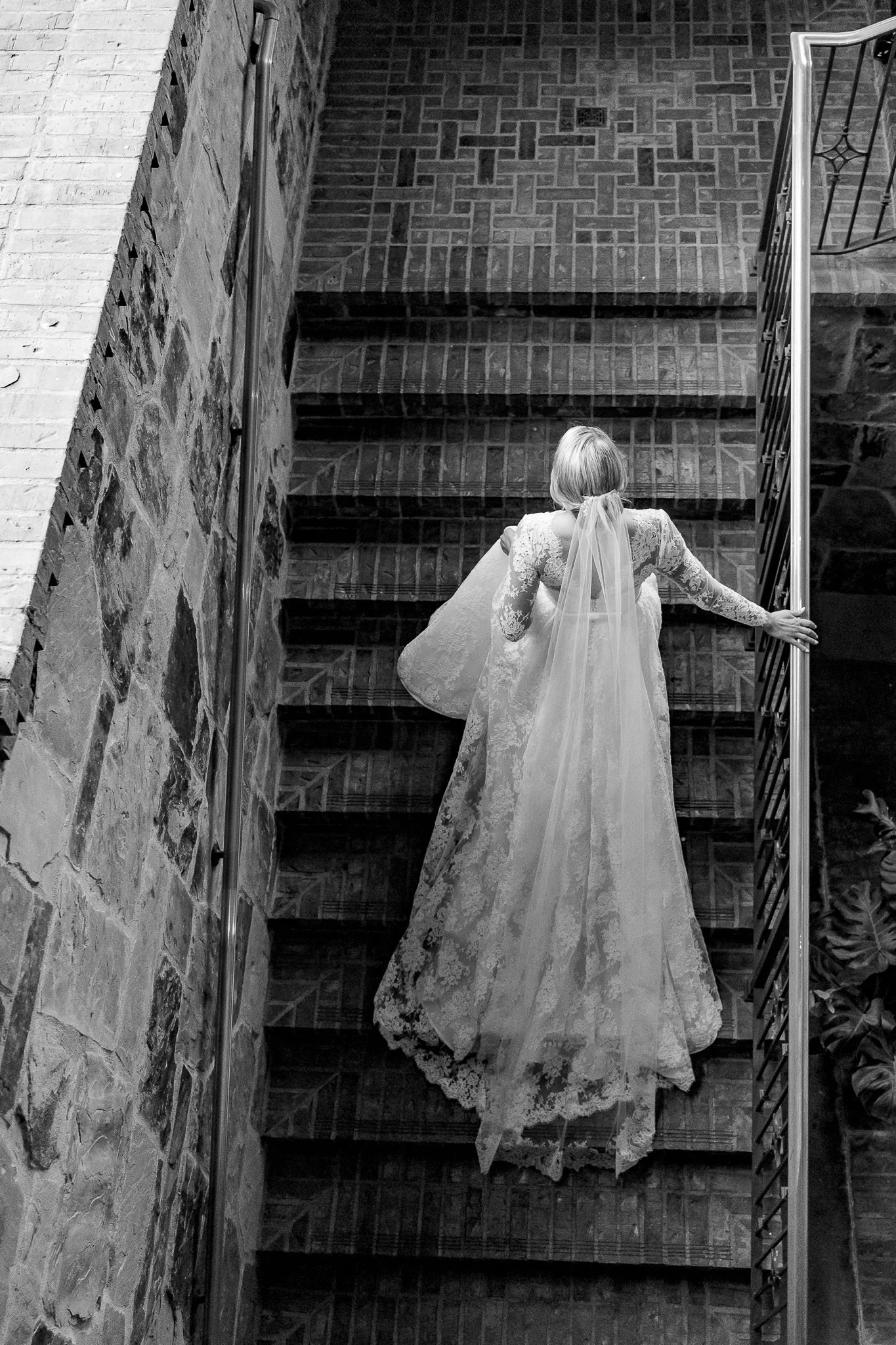
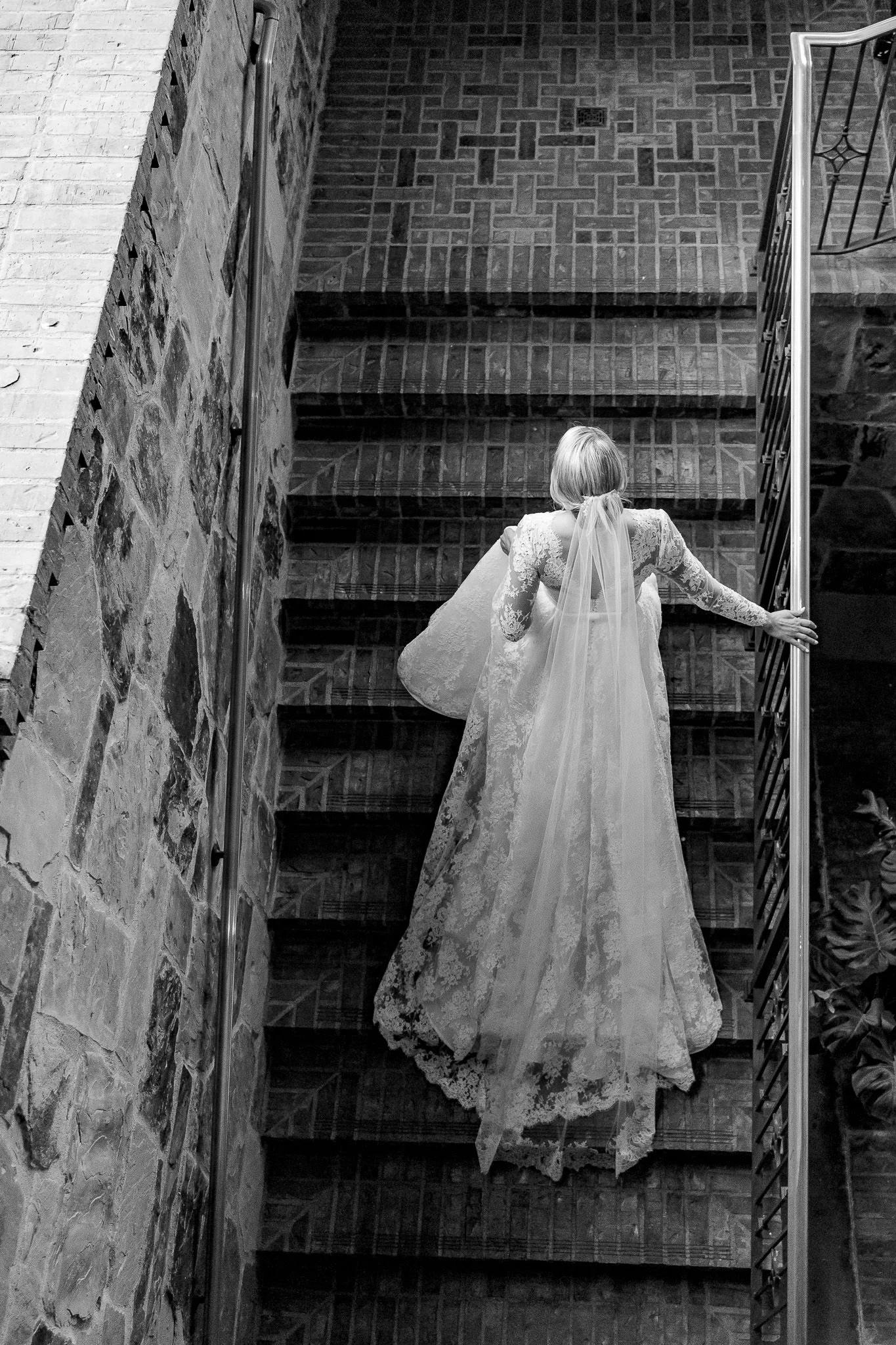
Cinematographers call this framing or blocking. Before any camera is raised, the photographer is already working: finding the light, reading the composition, identifying the frame. At Southern California venues with dramatic natural settings — coastal cliffs, garden estates, architectural landmarks — this planning becomes even more critical. They have a complete vision for the shot before the couple steps into it.
What they're not doing is placing people like mannequins into that vision. Instead, the couple is invited into an environment that's already been set up for success. The stage exists. What happens on it is real.
"Put the stage for the moments to happen, not staging the moments." — Cliff Mautner, wedding photographer
This is why location scouting, time of day, and light awareness matter so much in wedding photography. A photographer who arrives without a vision for a space is a photographer who will be reacting rather than creating.
2. Direct the Feeling, Not the Action
Traditional posing relies on physical instruction: tilt your head, move your hand here, look at the camera. The result is photos that look like posing — because that's exactly what's happening.
Invisible direction works completely differently. Rather than dictating movement, the photographer guides emotion. The prompts shift focus away from performance and toward genuine connection.
Instead of "look at each other," it's "tell each other the thing you're most looking forward to about today."
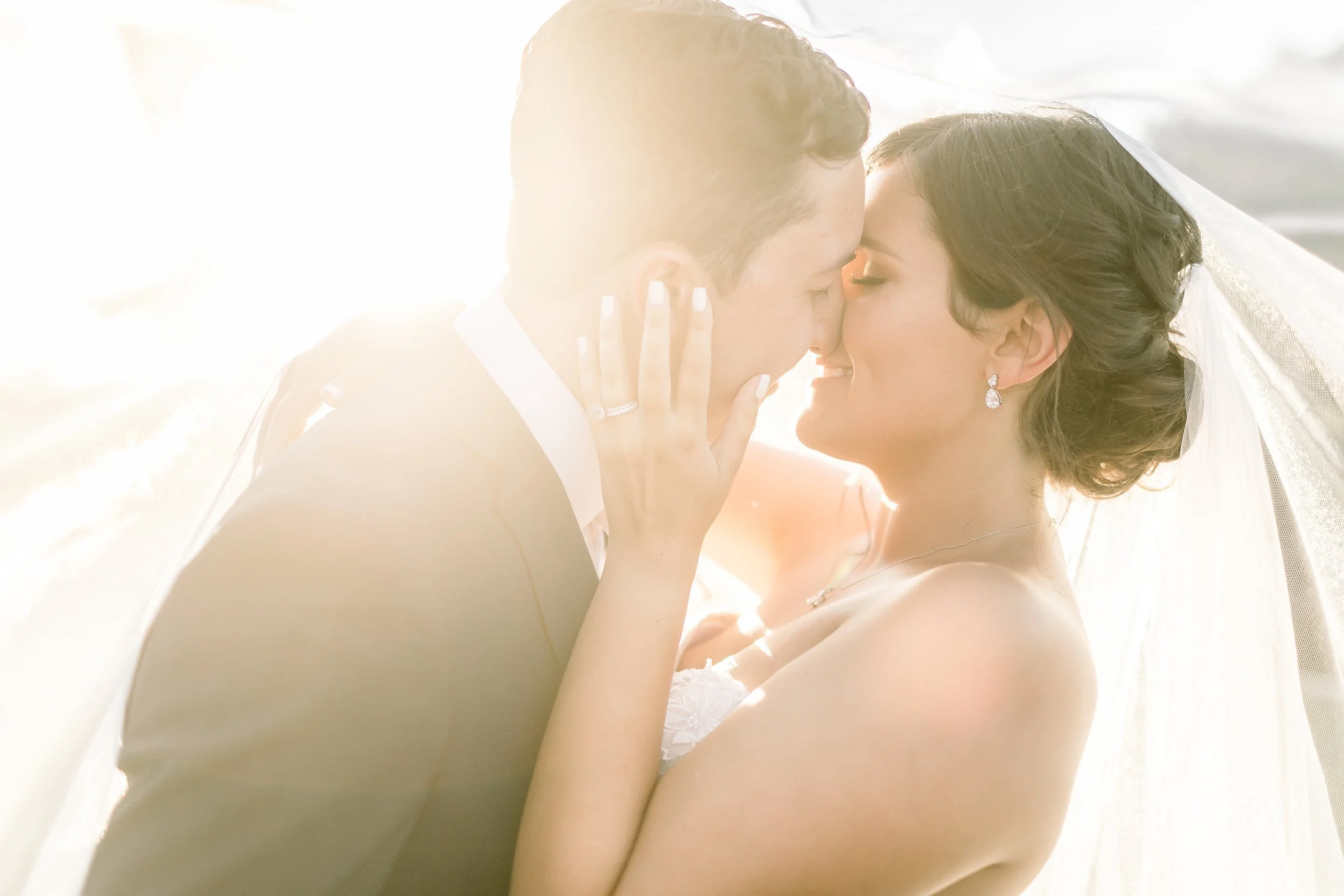
Instead of "lean in," it's "try to kiss without your lips actually touching."
Instead of "smile for the camera," it's "forget I'm here for a second."
When couples focus on feelings rather than instructions, something shifts. They forget the camera exists. And that's exactly when real moments emerge. One videographer described it simply: "The couple quickly forgets they're being filmed and shifts their focus to the feeling they're experiencing — and that's when the most beautiful, candid moments unfold."
3. Wait for the Half-Moments
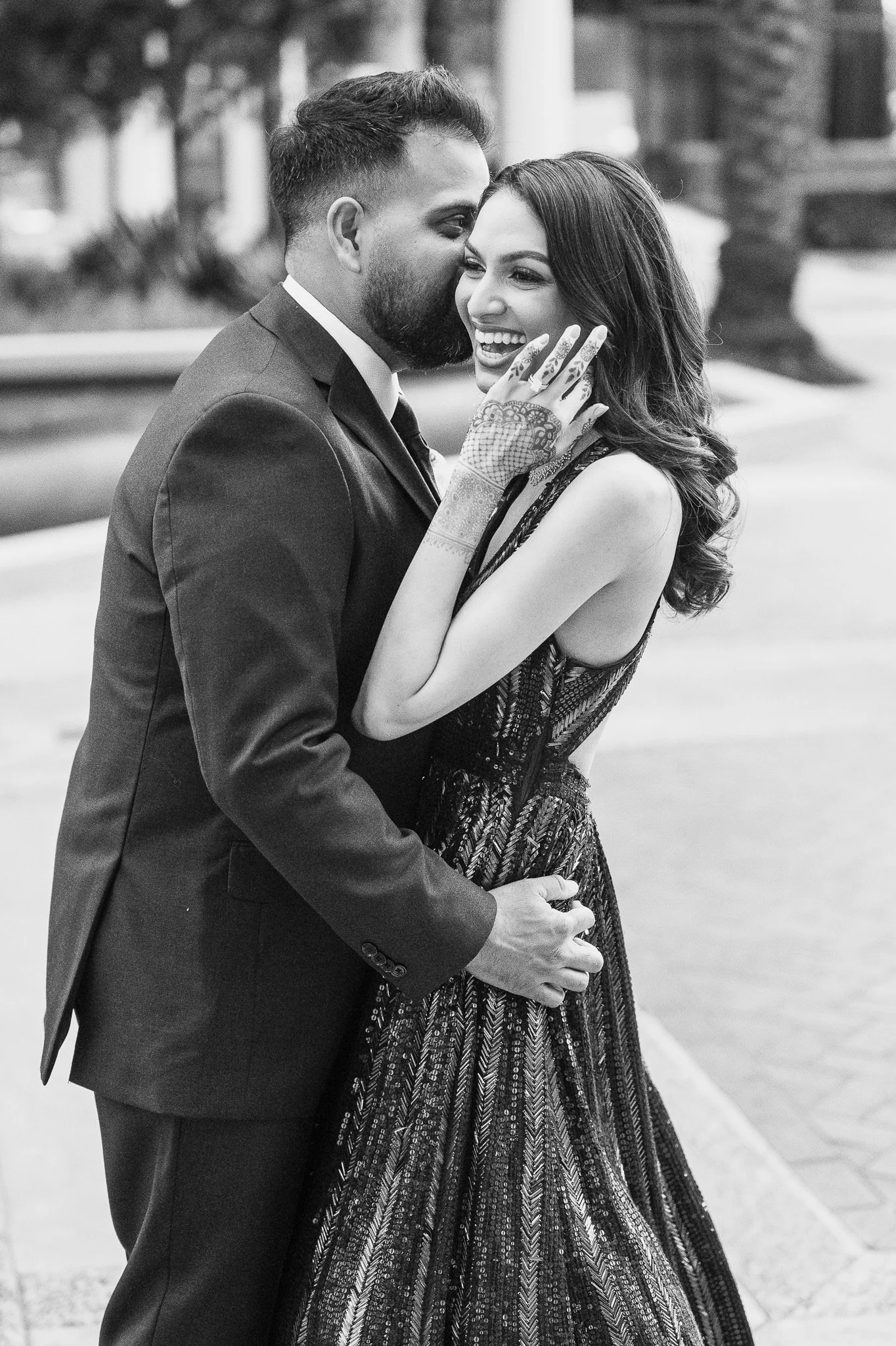
The best candid images rarely happen at the peak of a moment. They happen in the transitions.
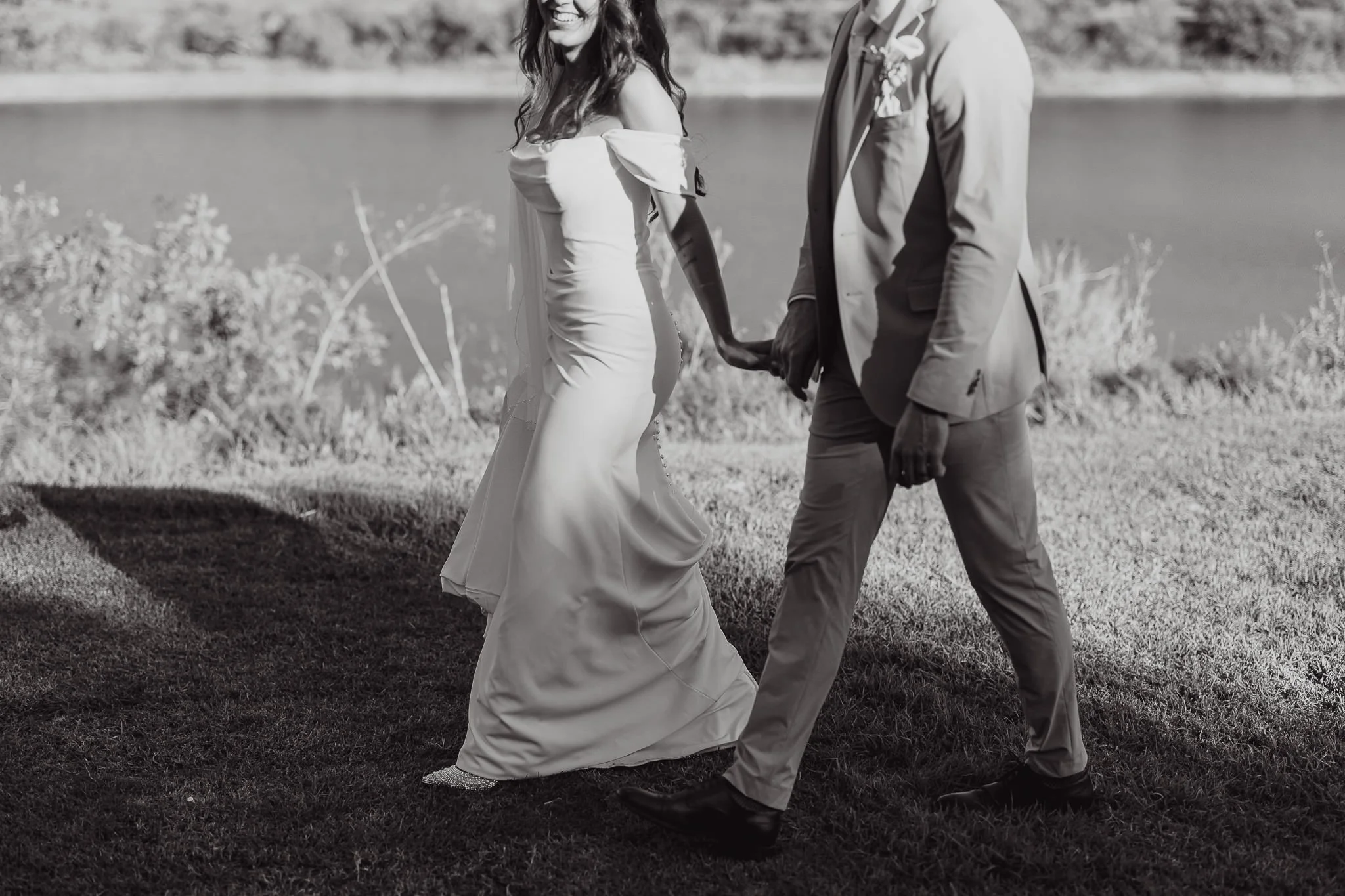
The glance away after a laugh. The quiet exhale after a kiss. The way two people move together while walking somewhere, not thinking about anything except each other.
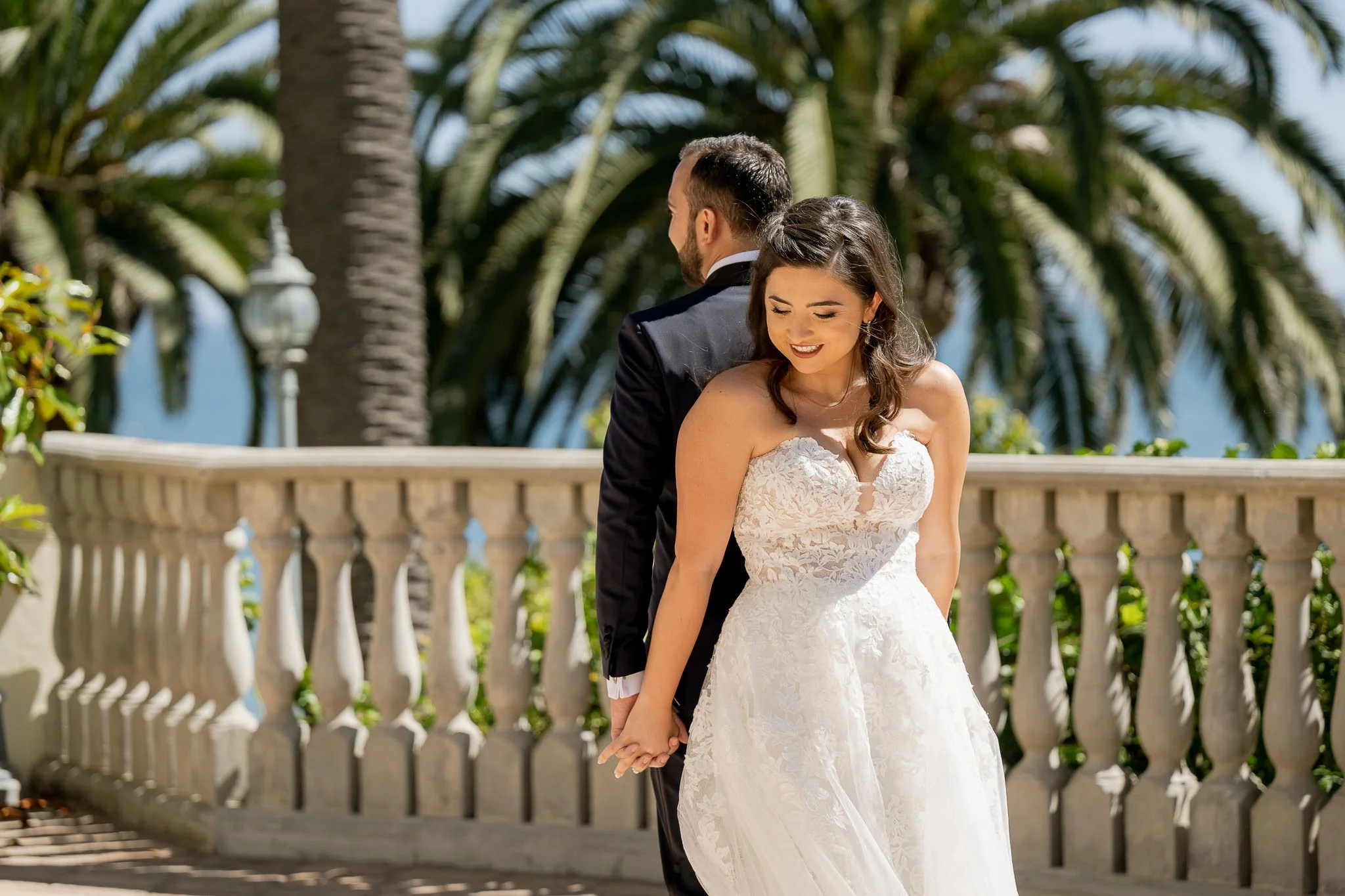
Photographers call these half-moments: the split second before or after the obvious shot, when guards are down and something true surfaces.
One practical observation shared by many photographers: the best frame often comes immediately after the photographer says "I got it" — the moment the couple relaxes completely and stops performing, even unconsciously. Another put it this way: "Let the awkwardness hang. The real magic happens right after it breaks."
This is why a great photographer keeps shooting even when the couple thinks the shot is over.
The Skills That Make Invisible Direction Work
Executing this approach on a real wedding day — with real people, real nerves, real timelines — requires more than creativity. It's one of the harder things in wedding photography to do consistently well.
The skills involved include:
Emotional intelligence and interpersonal ease. The photographer has to be genuinely likable — charming enough, warm enough, present enough that couples relax around them. No amount of technical skill compensates for a photographer who makes people feel self-conscious. Couples take their cues from the energy in the room.
Hyper-awareness and anticipation. The best photographers are watching for what's about to happen — reading the room a few seconds ahead, positioning themselves before the moment arrives rather than scrambling to catch it after. This requires both strong technical ability and fast aesthetic decision-making: light, composition, lens, exposure, and timing all coming together at once.
Comfort with awkwardness. Every couple goes through an uncomfortable phase in front of the camera. The instinct for many photographers is to rush through it. The better move is to let it breathe. Real ease comes after the awkward phase passes — and the most authentic moments often follow right behind it.
This is expert-level work. It's also why the gap between photographers who understand this and those who don't is so visible in the final gallery.
Is It Still "Candid" If There's Direction?
It's a fair question. Some photographers and purists argue that truly candid imagery should be completely undirected — that the moment a photographer shapes anything, the documentary authenticity is compromised.
Others — probably most working professionals who shoot real weddings rather than editorial concepts — would push back on this. Weddings aren't documentaries. They're high-stakes, emotionally charged, time-constrained events where the subjects are nervous and the light doesn't cooperate. Waiting passively for beauty to appear isn't a principled approach; it's an abdication.
The strongest position is this: candid photography isn't about removing direction. It's about making direction invisible. The craft lives in the balance between authenticity and intention — between letting things happen and making sure they don't slip away unseen.
"Candid has lost its true meaning. What you see in today’s weddings is labeled candid — but it's not without direction."
When invisible direction is executed well, couples genuinely don't experience it as direction. They experience it as their wedding day. That's the goal.
What to Actually Ask When Hiring a Wedding Photographer
If you want natural, emotionally real photos of your wedding, the question to ask isn't "do you shoot candid?" Every photographer will say yes. Whether you're planning an Orange County wedding at a coastal venue or a Los Angeles celebration in the city, the questions that matter dig deeper.
Ask these instead:
How do you guide couples without making them feel posed?
What does your portrait session actually look like — what are you saying and doing during it?
How do you handle couples who feel awkward or uncomfortable in front of a camera?
Can you walk me through how you'd approach the portrait window between ceremony and reception?
The answers will tell you immediately whether you're talking to a photographer who has a real approach — or one who's hoping the day cooperates.
How One Story Approaches This
When we work with couples, we're never standing back hoping something beautiful happens. Before you step into a frame, we've already read the light, chosen the environment, and established a tone for the session. The prompts we give aren't poses — they're invitations to be present with each other.
Because our photography and video teams operate as a single coordinated unit rather than separate vendors doing separate things, invisible direction happens once across every format simultaneously. The moment we create for still photography is the same moment captured in video. There's no "okay, now we need to do it again for the camera crew."
If you've been worried that "candid photos" means hoping for the best — or that getting beautiful images means suffering through an awkward posing session — neither of those things is true when invisible direction is done well. The best wedding photos look effortless because the work behind them was invisible. That's the whole point.
Frequently Asked Questions About Candid Wedding Photography
What is invisible direction in wedding photography?
Invisible direction is a technique where photographers guide couples into natural, emotionally authentic moments without making them feel posed. It combines scene blocking (setting up the light and composition in advance), emotion-based prompts (like "tell each other what you're most excited about"), and precise timing to create candid-looking images that are actually the result of intentional, expert direction. When done well, couples don't experience it as direction at all — they just experience their wedding day.
Do candid wedding photos actually require direction?
Yes. Most of the best candid wedding photos are the result of invisible direction — not luck. Photographers set the stage by choosing the light and composition, guide emotion rather than physical movement, and wait for "half-moments" when couples are most relaxed and genuine. The difference between amateur candid photography and professional storytelling is almost always the presence of intentional guidance that remains invisible to the couple.
How do I get natural-looking wedding photos if I feel awkward in front of a camera?
A skilled photographer will use prompts that engage your emotions rather than direct your body — things like asking you to share a favorite moment from the day, walk together naturally, or attempt something playful. This shifts your attention away from the camera and toward each other, which is where the best images come from. The key is working with a photographer who understands that awkwardness is normal and knows how to guide you through it rather than rushing past it.
What questions should I ask a wedding photographer about their approach to candid photography?
Instead of asking "do you shoot candid?" (every photographer will say yes), ask: How do you guide couples without making them feel posed? What does your portrait session actually look like — what are you saying and doing during it? How do you handle couples who feel awkward or uncomfortable in front of a camera? Can you walk me through how you'd approach the portrait window between ceremony and reception? The answers will reveal whether a photographer has a real, intentional approach or is simply hoping good moments appear.
How much time should we allocate for portraits if we want candid-style photos?
Even though candid-style photography feels spontaneous, it still requires time — typically 30-60 minutes during golden hour for couple portraits, plus time for family formals. The difference is how that time is used: instead of rigid posing, you'll be walking, talking, and connecting naturally while your photographer works with the light and environment. This approach actually requires more skill and planning than traditional posing, not less.
Ready to invest in your legacy?
Learn more about our Southern California Wedding Photography Services
Orange County Wedding Photographer | Los Angeles Wedding Photographer | San Diego Wedding Photographer | Santa Barbara Wedding Photographer